WPC Doors Near Me: How to Choose, Typical Price Factors, Pros/Cons & Installation Checklist
Buying WPC doors? Learn how to choose the right type, what affects price, key pros/cons, and an installation checklist to avoid warping and loose fittings.
Quick Decision Summary
WPC doors excel in humid Indian homes for superior moisture and termite resistance, typically costing ₹150–₹350 per sq ft.
If you're searching for WPC doors near me amid monsoons or coastal humidity, opt for 28–35mm thick solid-core versions with dense construction for best screw holding and warp resistance. They outperform plywood flush doors in wet zones like bathrooms but weigh more than PVC options, suiting modular kitchens or bedrooms where durability trumps lightness. Confirm local vendors stock pre-laminated finishes to match interiors, and always acclimatize on-site for 48 hours before fitting.
- Choose this if: High humidity, termite-prone areas, or frequent water splashes demand low-maintenance doors.
- Avoid this if: Budget under ₹120/sq ft, ultra-lightweight needs, or heavy external use without UV coating.
What This Actually Means (Grade, Construction, and Use)
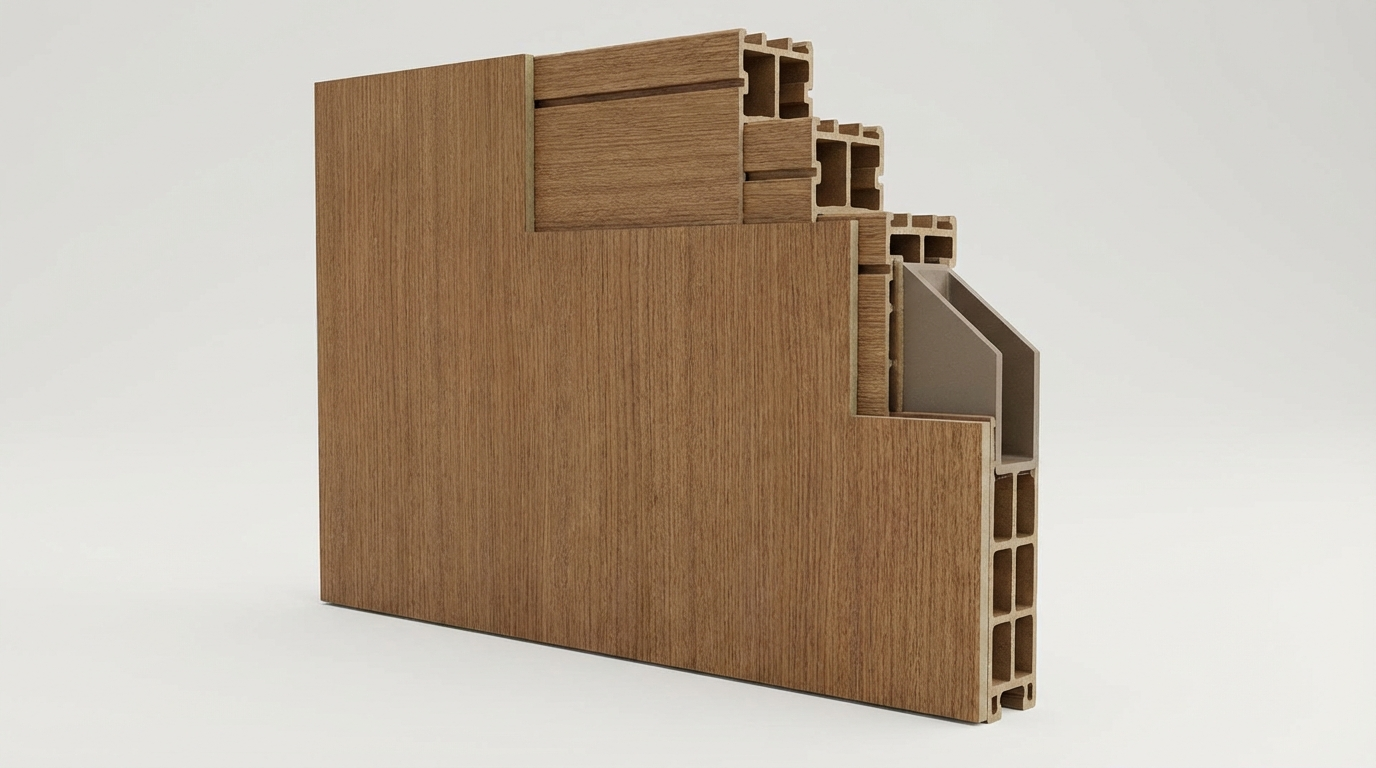
WPC stands for Wood Plastic Composite, a engineered panel blending wood fibers or powder with thermoplastic resins like PVC, extruded into solid or foamed boards under high pressure and heat. Unlike plywood's layered veneers or MDF's dust-resin mix, WPC forms a uniform, homogenous structure—often 60–70% wood content for wood-like machinability and 30–40% plastic for water resistance. Common grades include skin-foam-skin (lighter, cheaper) and full solid core (denser, pricier), with thicknesses from 25mm for basic interiors to 35mm+ for premium doors.
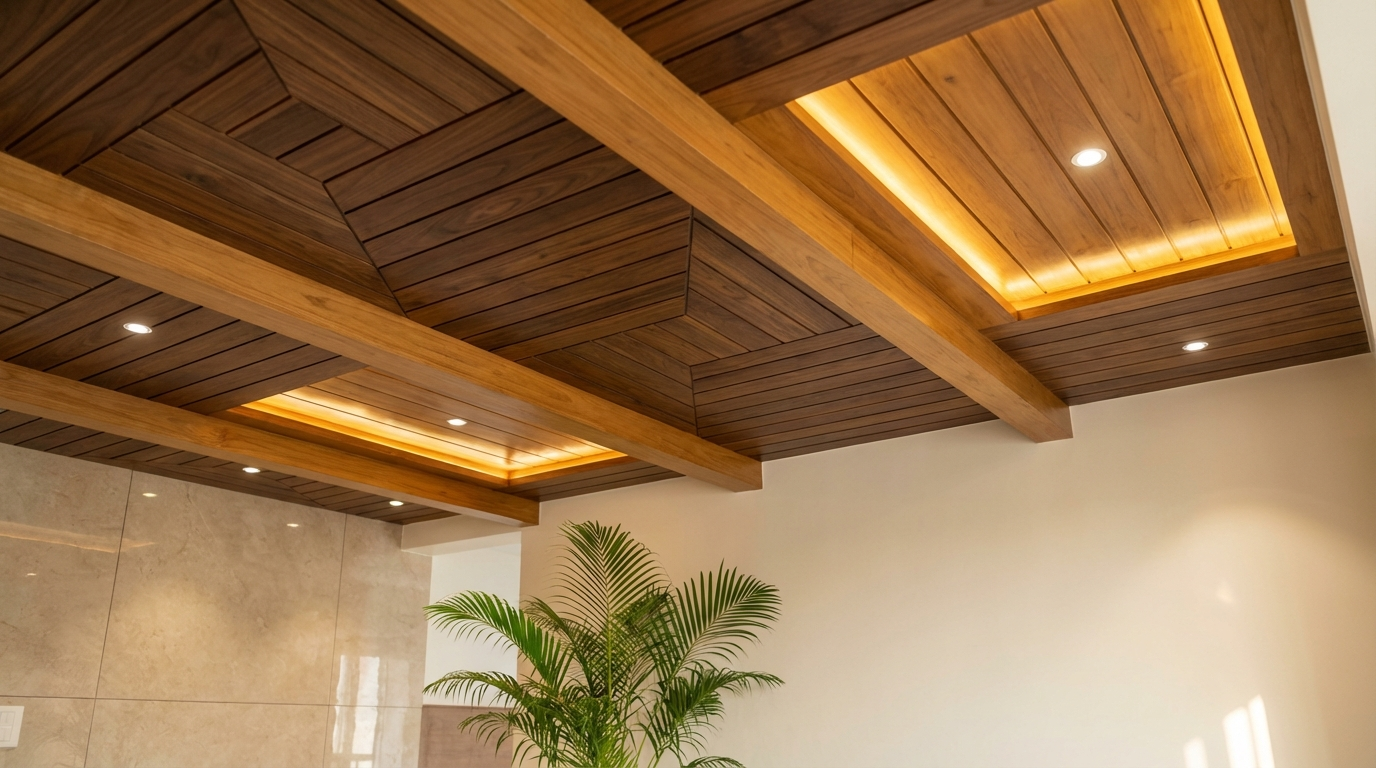
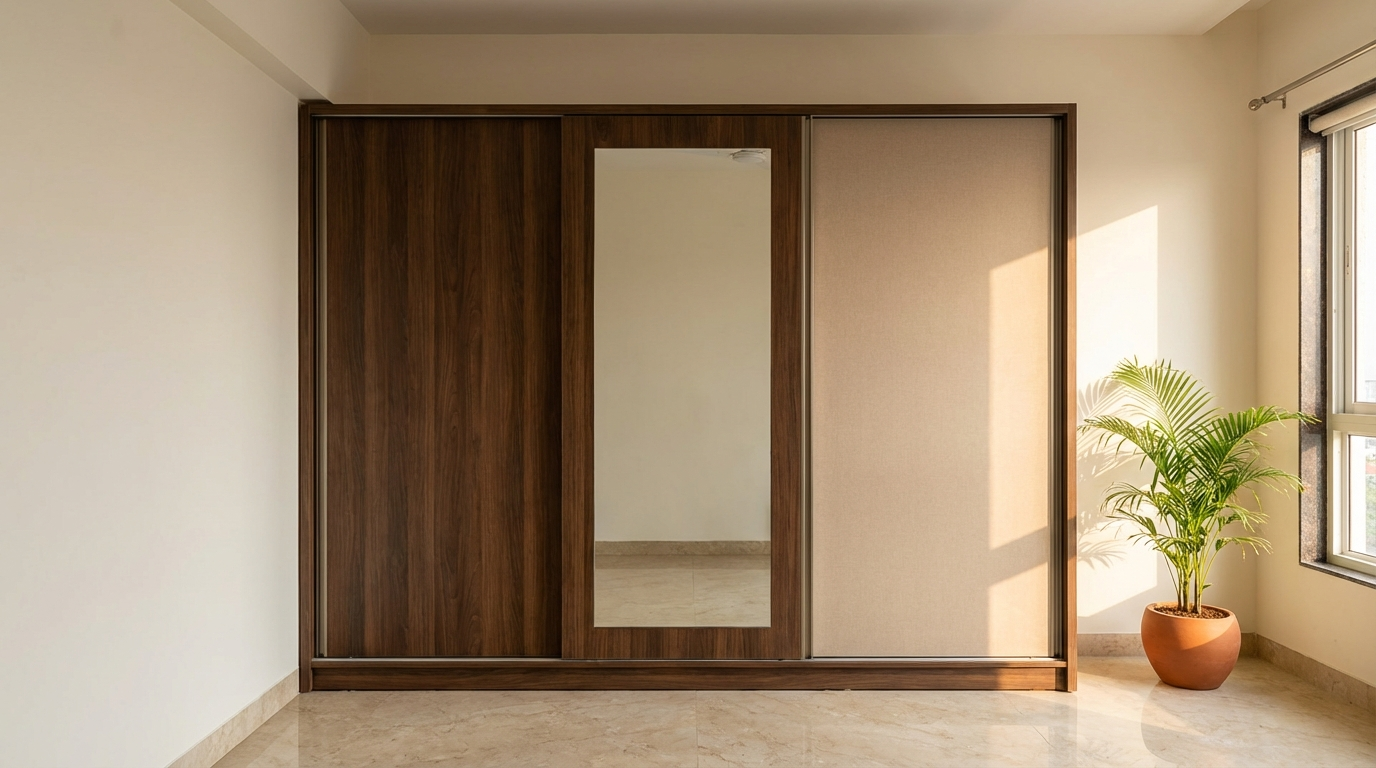
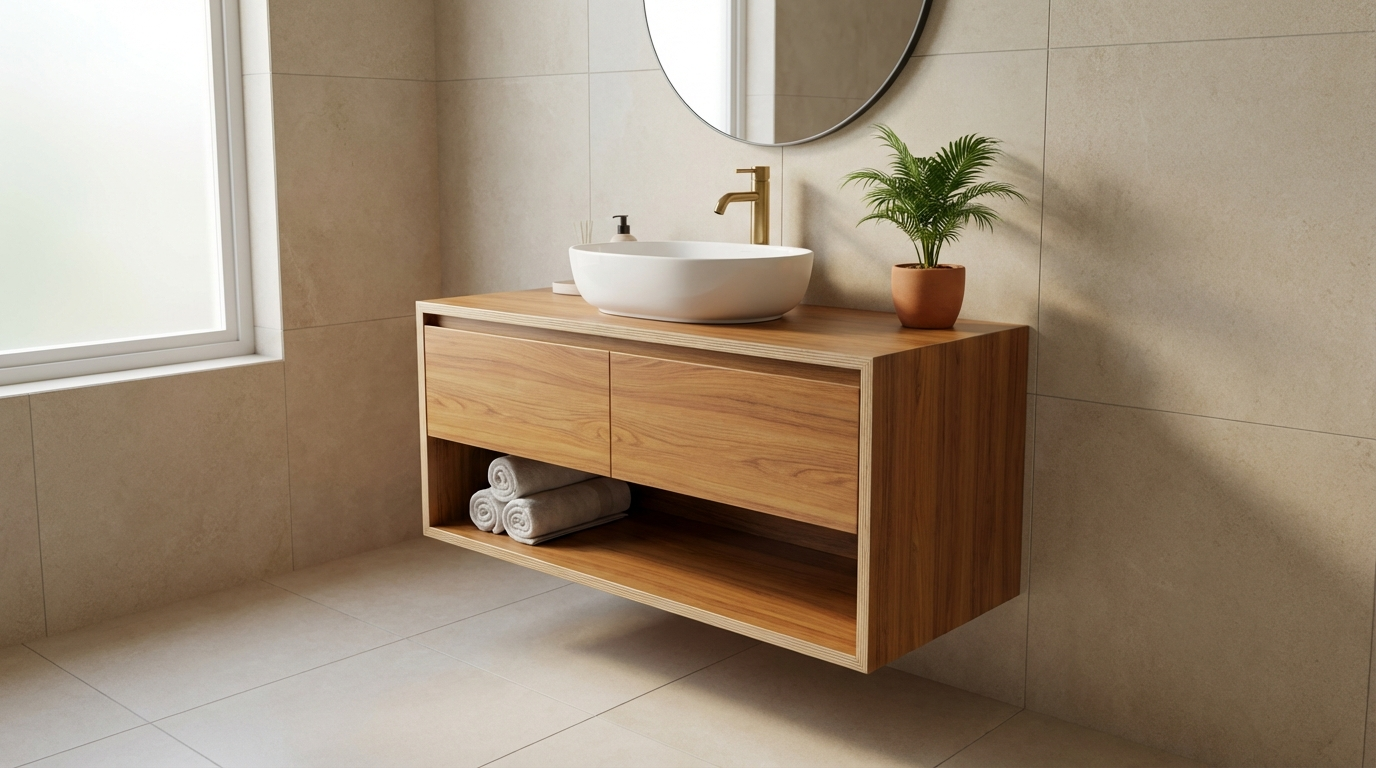
In Indian contexts, WPC doors typically measure 2100x900mm or custom sizes for bedrooms, bathrooms, or entrance shutters in apartments. Construction involves machining grooves for panels, applying laminates (0.8–1mm thick) or veneers for aesthetics, and edge-banding to seal against moisture. Use cases span modular wardrobes, kitchen cabinets, flush bathroom doors, and even partitions—ideal where plywood warps or termites attack. Solid-core variants route well for CNC designs, holding hinges better than hollow PVC, but require sharp tools to avoid chipping.
Grading varies by density (700–900 kg/cu m for quality; lighter signals air voids), glue type (no urea-formaldehyde in good ones), and calibration (flatness under 0.5mm). Field reality: Coastal cities like Chennai favor WPC for salt-air resistance, while inland Delhi users pick it for AC rooms. Always verify frame compatibility—WPC frames (4x2.5 inches typical) pair best to prevent differential swelling.
India-Specific Reality Check (Moisture, Termites, and Workmanship)
India's monsoon humidity (80–100% RH) and coastal salinity amplify plywood failures, but WPC's plastic matrix repels water absorption (<1% swell vs plywood's 10–15%). Termite-proof by design—no cellulose for pests—making it a staple in South India suburbs. However, poor-quality imports with high PVC leach may yellow or emit odors in poorly ventilated homes.
Workmanship pitfalls abound: Carpenters often skip acclimatization, causing post-install warping in 90% RH Kerala summers. Store sheets flat, stacked under cover for 7–10 days pre-cut. Coastal handling demands plastic wrapping to block salt ingress. Contractor practices vary—Mumbai modular firms use CNC for precision, but rural installers hammer screws, loosening holds in low-density boards.
Termite risk zero if no wood fillers used; test by soaking edge scrap in water overnight—no delam. Ventilation matters: Seal gaps but allow frame breathing to expel trapped moisture. In mixed climates like Pune, pair with BWP plywood frames for hybrid strength.
Price Range and Cost Drivers
Typical WPC door prices range ₹150–₹350 per sq ft, with full sets (door + frame) adding 20–40% more. Basic 28mm plain sheets start at ₹150–200/sq ft in Tier-2 cities like Jaipur, escalating to ₹300+ for 35mm pre-laminated in metros like Bengaluru. Frames run ₹200–500 per running foot, influenced by profile (L-frame vs T-frame).
Key drivers: Thickness (28mm cheapest, 35mm +30%), core density (solid > foam), finish (plain +0%, laminate +20–50%, veneer +40%), size (custom +10–15%), and logistics (North-to-South freight +15%). Brand premiums add 20–30% for certified density, but verify locally—prices fluctuate 10–20% seasonally post-monsoon.
Budget estimation: Standard 7x3 ft bathroom door ~₹6,000–12,000; 10-door bedroom suite ~₹1–2 lakh. Factor 10–15% for hardware/ labor. City variation: Cheaper in manufacturing hubs like Greater Noida vs premium in Hyderabad villas. Negotiate bulk; avoid rock-bottom under ₹120/sq ft signaling voids.
| Thickness | Plain | Laminated | Design Factors |
|---|---|---|---|
| 25–28mm | ₹150–220 | ₹200–280 | Basic interiors, lightweight |
| 30–32mm | ₹200–280 | ₹250–350 | Standard homes, good holding |
| 35mm+ | ₹280–400 | ₹350–500 | Premium, heavy-duty |
How to Choose in 5 Steps
Step 1: Assess Your Site Conditions
Map humidity—bathrooms/coastal pick WPC over plywood; dry AC rooms allow cheaper options.
Step 2: Pick Thickness and Core
28mm min for screw holds; solid core for routing.
Step 3: Test Samples Physically
Weigh (heavy= dense), tap for voids, screw-test.
Step 4: Select Finish and Design
Laminate for kitchens; skin for flush baths.
Step 5: Verify Vendor Reliability
Ask batch density certs, local references.
Pros and Cons of WPC Doors
Pros: Zero termite/borer risk, <2% moisture swell ideal for Mumbai monsoons, machinable like wood for custom grooves, fire-retardant (self-extinguishing), lightweight vs solid wood (15–20kg/door), 15–25 year lifespan with proper install.
Cons: Scratches easier than metal, potential warping if low-density (<700kg/m3), higher upfront cost than flush doors, UV fade without coating for sunny exposures, heavier than PVC (installation needs stronger frames).
Trade-offs: Durability vs weight—fine for internals but not main entrances; cost vs maintenance savings (no polishing needed). In Indian villas, pros outweigh for wet zones, but pair with steel for security.
Comparison That Actually Helps
| Feature | WPC | Flush Plywood | PVC/uPVC | Solid Wood |
|---|---|---|---|---|
| Moisture Resistance | Excellent (<2% swell) | Poor (10–15%) | Good | Fair |
| Termite Proof | Yes | No | Yes | No |
| Screw Holding | Good (dense core) | Medium | Poor | Excellent |
| Price/sq ft | ₹150–350 | ₹100–250 | ₹120–250 | ₹400+ |
| Weight | Medium | Medium | Light | Heavy |
| Best For | Bath/kitchen | Dry interiors | Budget wet | Luxury dry |
Choose WPC for balanced humid-zone performance; PVC if budget-tight and light.
Common Buyer Mistakes and How to Avoid Them
- Skipping Density Check: Light boards (<20kg/sq m) warp—avoid by hefting samples; good ones feel solid.
- Ignoring Thickness: Under 28mm fails hinges—specify min 30mm for homes.
- No Acclimatization: Direct install causes swelling—stack indoors 48hrs.
- Poor Edge Sealing: Water enters cuts—apply silicone/PU post-machining.
- Wrong Finish for Zone: Plain laminate fades in kitchens—pick HDHMR skin.
- Cheap Frames: Mismatch causes gaps—use WPC frames only.
- Forgetting Screw Test: Loose holds post-install—pre-drill and pull-test scrap.
- Monsoon Bulk Buy: Humidity warps transit stock—inspect on delivery.
Quality Checks You Can Do Without Lab Tests
Visually scan for uniform color, no bubbles/voids on edges—tap with knuckle for hollow sounds (bad). Weigh a 1x1 ft sample: 4–6kg signals density. Scratch edge lightly: Resistant core doesn't crumble.
Questions for vendor: Core composition ratio? Water absorption test results? Batch fire rating? Warning signs: Yellowing skin (poor PVC), soft screw grip (low wood fiber), wavy surface (bad extrusion).
Water test: Soak edge 24hrs—no swell/delam. Screw pull: 8–10 holds firm without plugs.
Design Ideas with Material Choices
- Bathroom Flush: 28mm plain WPC + waterproof laminate; 2100x750mm, white/grey tones resist stains.
- Bedroom Paneled: 32mm routed grooves + teak veneer; soft close hinges for quiet.
- Modular Kitchen Shutter: 30mm prelam walnut + aluminum edge; 600mm wide stacks.
- Balcony Sliding: 35mm UV-coated + frosted glass insert; coastal salt-proof.
- Wardrobe Louvered: 28mm vented design + HDPE skin; termite-free storage.
- Partition Double: 25mm slim + fabric insert; rental flex.
- Entrance Internal: 32mm 3D carved + PU polish mimic; fire-rated.
Installation Checklist and Workmanship Tips
Pre-Install: Acclimatize 48–72hrs flat in install room. CNC cut with 9–12mm bits; hand-saw risks chipping.
Cutting/Edges: Seal all machined edges with silicone/PU immediately—prevents capillary moisture.
Fastening: Pre-drill 4–5mm holes; use 50–65mm SS screws. Hinges: 3 per door, epoxy anchor if weak.
Frame Fit: Shim level; silicone gaps. Handles: Reinforce 100mm zones with inserts.
Post: Check swing/alignment; ventilate 24hrs. Avoid direct sun initial week.
Decision Framework Table
| Scenario | Best Choice | Why + Thickness | Budget Driver |
|---|---|---|---|
| Monsoon Bathroom | WPC | Zero swell; 30mm | ₹200–300/sq ft |
| Dry Bedroom | Flush/Membrane | Cheaper aesthetics; 25mm | ₹100–200 |
| Budget Kitchen | PVC | Light/fast; 28mm | ₹120–220 |
| Coastal Villa | WPC Solid | Salt/UV; 35mm | ₹300+ |
| Termite Hotspot | WPC | Proof; 32mm | ₹180–280 |
Frequently Asked Questions
Are WPC doors suitable for Indian bathrooms?
Yes, WPC doors thrive in high-humidity bathrooms due to minimal water absorption and no rotting, outperforming plywood which swells during monsoons. Opt for 30mm+ thickness with sealed edges and ventilated frames to handle steam from hot showers in compact Mumbai flats, ensuring 15+ years without warping if properly installed by experienced carpenters.
Do WPC doors warp in humid climates?
Quality dense-core WPC resists warping under 90% RH, unlike low-grade foam versions prone to bending in Kerala rains. Acclimatize on-site and seal cuts to maintain flatness; user reports show solid 800kg/m3 boards stable for decades in coastal Tamil Nadu, though direct ponding water demands silicone beading.
How is screw holding in WPC doors?
WPC offers reliable screw holding comparable to hardwood when density exceeds 750kg/m3, gripping 8–10 pulls without plugs—better than PVC but needs pre-drilling. Reinforce hinge zones with epoxy for heavy doors in multi-story apartments, avoiding carpenter errors like over-tightening that strip threads in thinner boards.
What affects WPC door prices the most?
Thickness, core type, and finish drive costs most—35mm solid laminated adds 50% over basic 28mm. Regional logistics vary: cheaper in North manufacturing belts, pricier South due to freight. Bulk buys shave 10–15%, but prioritize density over discounts to dodge post-install fixes costing extra 20%.
Can WPC doors be painted or laminated?
Absolutely, WPC skins prime well for paints or 1mm laminates, mimicking teak or oak for bedroom elegance. Use PVC-compatible adhesives; coastal users add UV topcoats. Machining flexibility suits custom grooves, but test small areas first to ensure adhesion in humid Pune garages.
Are WPC doors termite resistant?
WPC's plastic-wood blend repels termites entirely—no cellulose feed—ideal for South Indian bungalows. Unlike plywood needing annual sprays, it demands zero treatment, saving 5–10% long-term. Verify no wood fillers in budget variants; field checks confirm zero infestation after 10 years in infested zones.
How to store WPC doors before installation?
Stack horizontally under dry cover, elevated off ground, for 7–10 days in 25–30°C rooms—avoids bow from uneven humidity like pre-monsoon Delhi. Wrap edges plastic-side out; coastal Chennai stacks risk salt if exposed. Inspect for dents on arrival to claim vendor fixes early.
Is WPC better than PVC for Indian homes?
WPC edges PVC with wood-like strength and screw grip for kitchens, while PVC suits ultra-light baths. Heavier WPC needs robust frames but lasts longer in mixed-use; trade-off favors WPC in 70% humid homes per installer feedback, balancing cost at ₹50–100/sq ft premium.
What maintenance do WPC doors need?
Minimal—wipe with damp cloth, no polishing unlike wood. Avoid abrasives to prevent scratches; re-seal edges yearly in wet zones. UV-exposed ones need recoat every 5 years; overall, 90% less effort than flush doors, suiting busy urban families in Bengaluru high-rises.
Can WPC doors handle heavy use?
Yes, 35mm solid cores endure daily slams better than thin PVC, with reinforced hinges. Not for high-security mains—pair locks—but fine for internal bedrooms. Test pull strength pre-buy; proper install yields 20-year abuse resistance in contractor-heavy sites.
Disclaimer: This content is provided for general informational purposes based on industry practices and publicly available information. Product specifications, standards, prices, and availability may vary by manufacturer, region, and time. Readers should independently verify details with manufacturers, dealers, or qualified professionals before making purchase or construction decisions.Want Plywood Suggestions?
Share a few details and a Sainik 710 specialist will suggest suitable brands and connect you to responsive dealers.