Sainik 710 vs Other Waterproof Plywood Brands: Feature Checklist, IS Standards & Buying Decision Matrix
Compare waterproof plywood brands using IS standards, core quality, calibration, warranty and authenticity checks—plus a decision matrix for your use-case.
Quick Decision Summary
Sainik 710 edges ahead in uniform national pricing and consistent BWP delivery for high-moisture zones, matching top IS:710 peers on core strength.
If you're in a hurry: Opt for Sainik 710 or equivalent IS:710 BWP plywood from established makers when kitchens, bathrooms, or coastal homes demand zero delamination risk. It typically features hardwood core, calibrated surfaces, and termite treatment, holding up in monsoons better than BWR grades. Cross-check authenticity via batch stamps and edge quality—avoid unverified local mixes claiming "waterproof" without certification. For dry interiors, cheaper MR suffices, saving 30-40% costs.
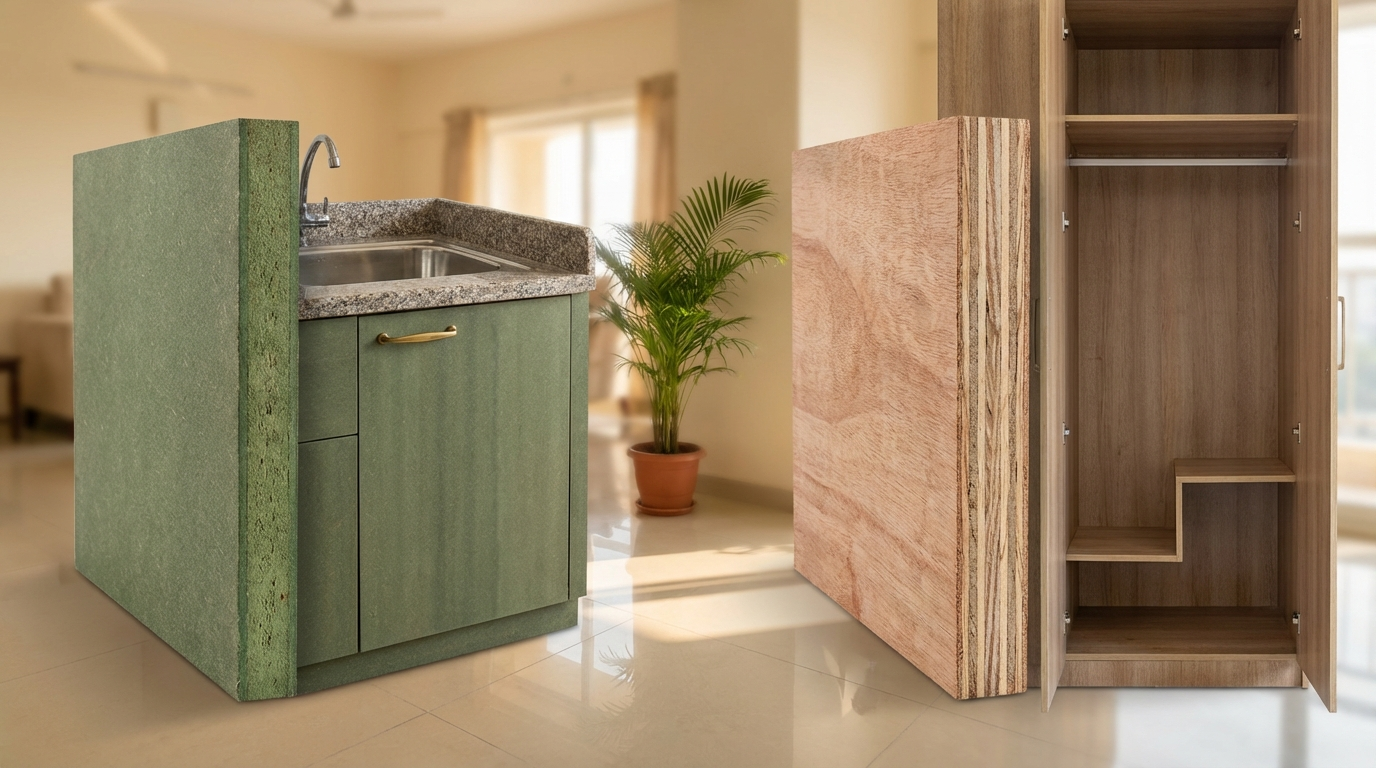
- Choose Sainik 710 if: Building modular kitchens/wardrobes in humid cities like Mumbai or Chennai, prioritizing screw-holding and bend resistance over premium veneers.
- Avoid if: Budget under 80/sqft for interiors, or need ultra-thin calibration for CNC-heavy designs—step down to calibrated BWR.
- Choose alternatives like Greenply or Kitply IS:710 if: Local dealer offers better logistics or matching warranty terms.
Note: sainik710.com is an independent informational site and is not affiliated with any manufacturer.
What This Actually Means (Grade, Construction, and Use)
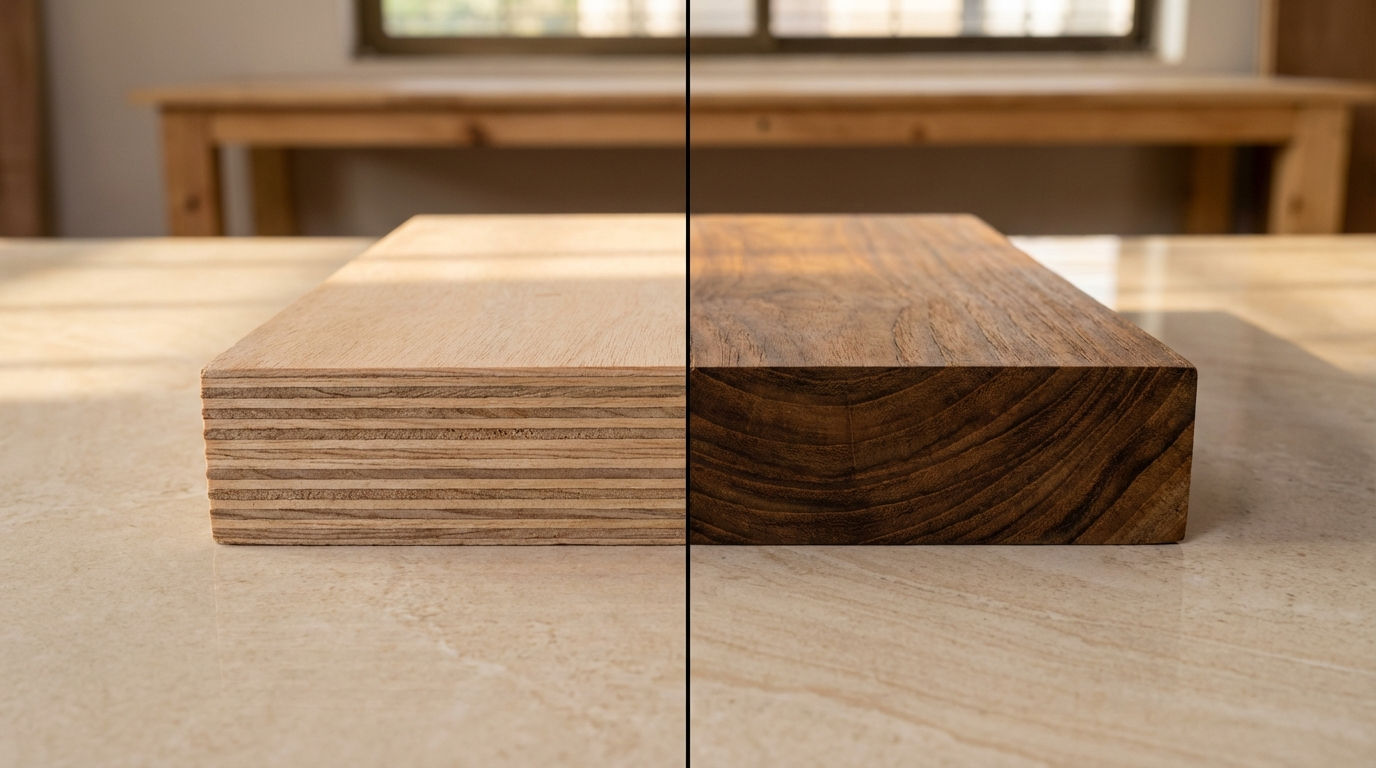
Waterproof plywood, specifically BWP (Boiling Water Proof) grade under IS:710, refers to marine-grade sheets engineered for extreme humidity without swelling or separating layers. Unlike MR (moisture resistant) for dry rooms or BWR (boiling water resistant) for moderate dampness, BWP withstands prolonged submersion—think 72 hours boiling without bond failure. Sainik 710 exemplifies this: multi-layered hardwood veneers glued with phenolic resins, forming a dense core that resists warping in India's variable climates.
Construction breaks down to face veneers (0.5-1mm thick for lamination grip), cross-grain plies (7-13 layers by thickness for stability), and glue lines impregnated for waterproofing. Use cases shine in wet zones: modular kitchen cabinets holding spills, bathroom vanities facing steam, coastal wardrobes battling salt air, or partitions in poorly ventilated apartments. For beds or TV units, it's overkill unless monsoon flooding risks persist. Thickness matters—12-18mm for structural shelves, 6-9mm for doors—ensuring screw pull-out exceeds 200kg without crumbling.
Trade-offs emerge: BWP's density boosts weight (50-70kg/sheet), hiking transport costs, and its rigidity limits intricate CNC curves versus flexible MDF. In Indian sites, carpenters favor it for edge banding ease, but poor acclimatization causes cupping. Always pair with proper sealing for 10+ year life.
India-Specific Reality Check (Moisture, Termites, and Workmanship)
India's monsoons (80-90% humidity), coastal salinity (Mumbai-Goa), and termite hotspots (Kerala interiors) test plywood beyond lab specs. BWP like Sainik 710 handles 40-50% better swelling than BWR in 3-day submersion tests, but site errors amplify failures: unstacked storage invites warping, direct floor contact breeds termites despite chemical treatments. Coastal users report 20% faster delam in unsealed edges from salt spray.
Termite resistance via preservatives works 5-8 years in ventilated homes, but subsoil proximity (e.g., low beds) demands extra barriers. Workmanship pitfalls: Lazy carpenters skip 48-hour site acclimatization, leading to 15-20% joint gaps post-monsoon. Contractor practices vary—Mumbai favors calibrated BWP for speed, Delhi mixes cores for cost-cutting. Ventilation gaps in wardrobes prevent mold; always insist on 10cm elevation off floors. Real-world: A Chennai kitchen with Sainik 710-equivalent lasted 12 years sealed properly, versus 4 years untreated BWR nearby.
Handle vertically during monsoons, cover loosely—stacking heat-traps moisture. For longevity, combine with anti-termite paints in high-risk zones.
Comparison That Actually Helps
Blind "best brand" claims ignore core variables: glue penetration, ply count, calibration tolerance (<0.5mm variance ideal). Here's a scannable table pitting Sainik 710 against common IS:710 rivals, based on typical field traits for kitchens/wardrobes. Focus on your use—high screw zones prioritize holding, wet walls need glue depth.
| Feature | Sainik 710 (Century) | Greenply BWP | Kitply Marine | Merino BWP |
|---|---|---|---|---|
| Core Type | Hardwood, uniform density | Imported hardwood mix | Poplar-hardwood | 100% hardwood |
| Calibration | Precise (<0.3mm), CNC-ready | Good (<0.5mm) | Variable, check batch | Excellent, mirror finish |
| Glue/Boil Test | Deep PF resin, 72hr pass | PF, strong hold | Marine glue, reliable | Premium PF, top-tier |
| Termite/Borer | Chemical treated, high resistance | Proofed, good | Treated, moderate | Advanced, best |
| Screw Holding (18mm) | >220kg pull-out | >210kg | >200kg | >230kg |
| Typical Thickness Range | 6-25mm | 4-25mm | 9-19mm | 6-18mm |
| Best For | Uniform price, kitchens | Budget premium | Doors/partitions | High-end finishes |
Sainik 710 wins on pricing consistency across cities; others excel in niche like Greenply's lighter weight for upstairs installs. Test samples: tap edges for voids.
IS Standards Breakdown
IS:710 mandates marine plywood rigor: veneers from seasoned hardwood (>10 years), min 5% resin content, boil-proof bonds (no delam after 72hrs at 100°C), tensile strength >50N/mm². Unlike IS:303 (BWR), it demands higher ply count (e.g., 11 for 18mm) for shear resistance. Key tests: mycological (fungi), adhesion (>1.5MPa dry/wet), screw withdrawal (>180kg face). Sainik 710 meets these uniformly, but fakes skimp on glue.
Certification shows CML number/BIS mark per sheet—verify no fading ink. Exceptions: Thinner gauges (<9mm) relax some, unfit for load-bearing. India tweaks: Post-2020, eco-adds limit formaldehyde <0.5ppm. Failure modes: Non-compliant cores gap under humidity, pulling laminates. Always ask for latest test reports; regional labs vary enforcement.
Price Range and Cost Drivers
IS:710 BWP like Sainik 710 typically ranges 90-150/sqft (18mm), varying 20-30% by city—Mumbai premiums logistics, Tier-2 discounts bulk. Thickness scales: 12mm 70-110/sqft, 18mm 100-160/sqft. Drivers: Hardwood core (+20%), calibration (+10%), brand premium (10-15%), glue depth. Wardrobe (20 sheets 18mm): 40,000-60,000 base, plus 15% transport.
Monsoon hikes 5-10% via storage; poplar mixes shave 15% but risk voids. Estimate: Multiply sqft x rate x 1.2 (waste/cut). Bulk carpenters negotiate 10% off; verify no downgrades.
Quality Checks You Can Do Without Lab Tests
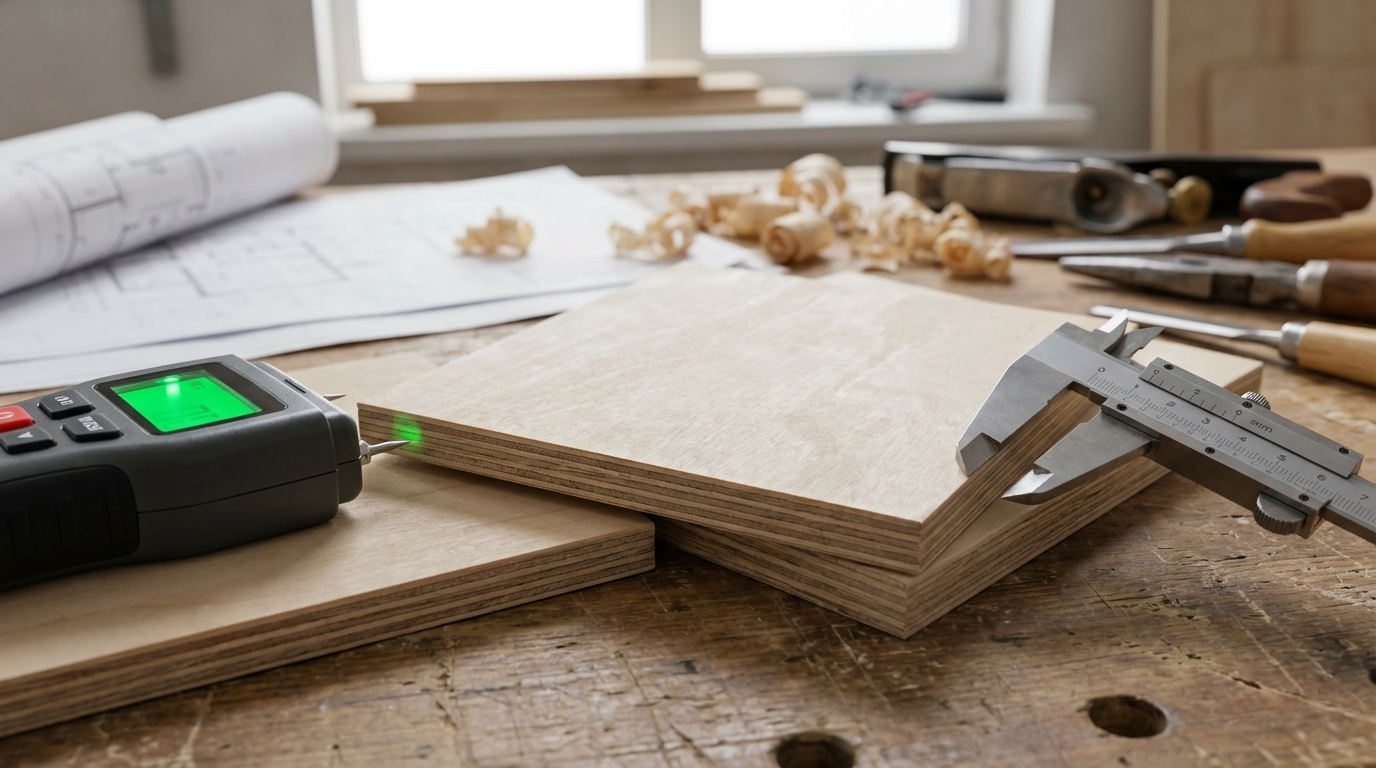
Visual scan: Uniform color, no patches—run nails along edges for voids (hollow thuds fail). Smell phenolic (not urea stench). Weight: Genuine BWP feels heavy (55kg+ 18mm). Tap test: Solid thud, no rattles. Calibration: Stack sheets—gaps >0.5mm signal warp risk. Ask: Batch no., ISI:710 proof, core timber origin. Warnings: Soft knife poke (voids), faded stamps, mismatched faces. Boil scrap: True BWP stays rigid 30min. Coastal tip: Salt spray mimic—wet/dry cycle scrap.
Common Buyer Mistakes and How to Avoid Them
1. Trusting "waterproof" labels sans IS:710—avoid by demanding BIS mark/CML.
2. Ignoring core gaps—knife probe pre-buy.
3. Skipping acclimatization—stack site 48hrs ventilated.
4. Cheap unsealed edges—apply 2-coat PU always.
5. Overloading thin ply—match thickness to span (18mm max 60cm).
6. Coastal no-treatment—add borate dips.
7. Fake warranty scans—use official apps only post-purchase.
8. Bulk without samples—cut/test one sheet first.
9. Dry-zone BWP splurge—downgrade BWR saves 30%.
10. Poor storage—vertical, covered, off-ground.
Workmanship and Installation Tips
Cutting: CNC/router for clean 90° edges; sand 220-grit. Edge sealing: 3 coats PU/nitrile, 24hr dry—prevents 80% delam. Fastening: 45mm screws, 10cm spacing; pre-drill reduces splits. Hinges: Reinforce 40x40mm zones with blocks if <12mm ply. Acclimatize 72hrs; monsoon—dehumidify. Kitchen carcass: 18mm BWP, 1.5cm gaps vents. Beds: Cross-brace undersides. Failures: Loose screws from voids—test hold pre-assemble.
Buying Decision Matrix
| Use Case | Climate/Risk | Recommended Grade | Thickness | Key Check | Alt if Budget |
|---|---|---|---|---|---|
| Modular Kitchen | High moisture | Sainik 710 IS:710 | 18mm | Screw hold, calibration | BWR calibrated |
| Wardrobe (Coastal) | Humidity + salt | IS:710 BWP | 12-18mm | Edge seal, termite | HDHMR sealed |
| Bathroom Vanity | Steam/wet | BWP like Sainik | 12mm | Boil resistance | WPC boards |
| Partitions | Moderate | BWR or BWP | 9-12mm | Bend resistance | MR + veneer |
| Beds/TV Unit | Dry | MR/BWR | 18mm | Cost vs hold | Blockboard |
Use rows for your project—e.g., Chennai kitchen picks row 1.
FAQs
Is Sainik 710 truly waterproof for Indian kitchens?
Sainik 710, as IS:710 BWP, resists boiling indefinitely in lab tests, translating to spill/steam tolerance in kitchens if edges sealed. Monsoon humidity rarely delams sealed installs, but poor workmanship halves life—always acclimatize and vent cabinets.
How does Sainik 710 compare to Greenply for screw holding?
Both exceed 200kg pull-out on 18mm, but Sainik 710's uniform hardwood core often fields tighter grips in repeated door slams. Test locally; Greenply lighter for upstairs ease, Sainik denser for heavy loads.
What thickness of waterproof plywood for wardrobes?
12mm shelves, 18mm carcass—balances weight and span (upto 80cm). Thinner risks sag; thicker adds 20% cost. Coastal: Bump +2mm for humidity.
Does BWP plywood need extra termite treatment?
Chemical impregnation lasts 5-10 years, but subsoil beds/partitions warrant base coats. Ventilate; monsoons accelerate attacks on untreated undersides.
Can I use Sainik 710 for bathroom doors?
Yes, 9-12mm with frames; seals hinges fully. Outperforms flush MR doors in steam, but polish yearly against mineral deposits.
How to spot fake Sainik 710 sheets?
ISI:710 stamp, CML no., heavy weight, solid edge taps. QR apps verify batch; light/smelly fakes crumble on probe.
Price difference between BWP and BWR?
BWP 30-50% pricier due to resins/plies; worth it for wet zones. Bulk buys narrow gap.
Best finish for waterproof plywood?
High-pressure laminates (1mm) or veneers + PU (3 coats). Edges critical—nitrile rubber for flex zones.
Warranty realities for these brands?
Typically 5-10 years delam against mfg defects; site errors void. Register batches for claims.
Alternatives if BWP too costly?
Calibrated BWR for interiors, HDHMR for humidity sans water contact—saves 25%, routes easier.
Disclaimer: This content is provided for general informational purposes based on industry practices and publicly available information. Product specifications, standards, prices, and availability may vary by manufacturer, region, and time. Readers should independently verify details with manufacturers, dealers, or qualified professionals before making purchase or construction decisions.Want Plywood Suggestions?
Share a few details and a Sainik 710 specialist will suggest suitable brands and connect you to responsive dealers.