Room Decoration Ideas: 60+ Budget-Friendly Home Decor Ideas for Living Room, Bedroom & More
Get 60+ room decoration ideas for Indian homes—living room, bedroom, dining area. Budget-friendly DIY decor tips, wall ideas & festival decoration guide.
Quick Decision Summary
Budget-friendly room decoration in Indian homes works best when you combine smart DIY projects, strategic furniture placement, and affordable materials like plywood-backed wall panels, fabric accents, and locally sourced decor items.
If you're in a hurry: Focus on three high-impact areas—accent walls, lighting, and textile changes. A single statement wall using textured paint or affordable wallpaper transforms any room for under ₹3,000. Swap cushion covers, add fairy lights, and rearrange existing furniture before buying anything new. These changes create visible impact without structural work or carpenter involvement.
- Choose DIY decoration if: You have time over budget, want personalised touches, or live in rented accommodation where permanent changes aren't possible
- Choose ready-made decor if: You need quick results, prefer polished finishes, or are decorating for a specific event like Diwali or a housewarming
- Avoid expensive modular changes if: You're likely to move within 2-3 years or haven't finalised your long-term layout preferences
Key takeaway: The best room decoration combines 70% smart arrangement and DIY with 30% strategic purchases—most rooms can be transformed under ₹15,000.
What Budget-Friendly Room Decoration Actually Means
Budget-friendly room decoration refers to enhancing your living space's aesthetics without significant financial investment, typically staying under ₹20,000-₹30,000 for a complete room makeover. This approach prioritises creativity, repurposing, and strategic purchasing over expensive furniture or structural renovations.
In the Indian context, budget decoration takes on specific characteristics. Our homes typically feature mixed-use spaces—a bedroom might double as a study area, or a living room transforms into a guest sleeping area during festivals. Effective decoration must accommodate these realities while working within the constraints of Indian housing: smaller rooms, limited natural light in many apartments, and the need to handle humid monsoon months that affect wall paints and fabric choices.
What Qualifies as "Budget" in Indian Home Decor?
Budget brackets vary significantly by city and family expectations. In metro cities like Mumbai, Delhi, or Bangalore, spending ₹50,000 on room decoration might be considered budget-conscious given overall living costs. In tier-2 cities like Lucknow, Indore, or Coimbatore, the same transformation can often be achieved for ₹20,000-₹25,000. The key is proportional spending—typically 2-5% of annual household income on non-essential home improvements is considered reasonable.
Budget decoration doesn't mean cheap or temporary. It means making intelligent choices: selecting MR-grade plywood shelving instead of expensive modular units, using quality paint rather than wallpaper in moisture-prone areas, and investing in good lighting fixtures that elevate existing furniture rather than replacing functional items.
Living Room Decoration Ideas Under ₹15,000
The living room offers the highest return on decoration investment because it's the most visible space in any Indian home. Strategic changes here create immediate impact for guests and family alike. Focus on the "visual triangle"—the sofa area, TV wall, and entry point—for maximum effect.
Accent Wall Treatments That Actually Work
Creating a feature wall remains the most cost-effective transformation. Textured paint finishes like stucco, sponging, or rag-rolling techniques cost ₹15-₹25 per square foot including materials and labour—significantly cheaper than wallpaper (₹40-₹150 per square foot) while being more durable in Indian humidity. For a 10x10 foot wall, expect to spend ₹1,500-₹2,500 on a textured accent wall.
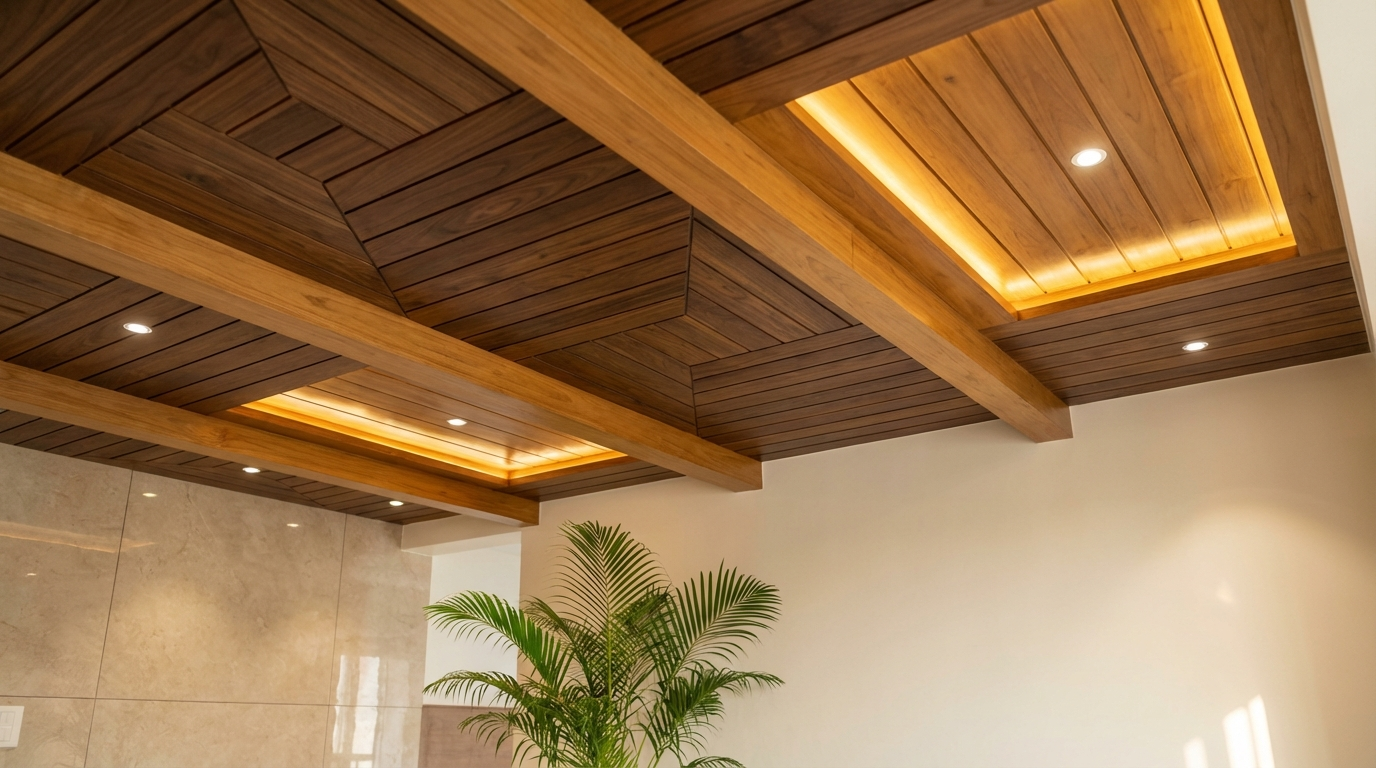
Wall panelling using 6mm or 8mm MR-grade plywood with laminate or PU finish creates a contemporary look. For budget options, consider wood-look laminates applied over economical plywood backing. The total cost for a feature wall panel (approximately 80 square feet) ranges from ₹6,000-₹12,000 including installation. This works particularly well behind TV units or sofa backrests.
Furniture Arrangement Before Furniture Buying
Before purchasing any new furniture, experiment with existing pieces. Most Indian living rooms suffer from wall-hugging syndrome—all furniture pushed against walls, creating dead space in the centre. Try floating your sofa away from the wall, creating a conversation cluster. This single change makes rooms feel larger and more inviting without spending anything.
Add affordable accents strategically: floor cushions (₹200-₹500 each) provide flexible seating for guests during gatherings; a statement mirror (₹800-₹2,500) opposite a window doubles natural light; indoor plants in decorative pots (₹150-₹600 per arrangement) add life without maintenance concerns if you choose hardy varieties like money plants, snake plants, or ZZ plants.
Is Open Shelving Good for Indian Living Rooms?
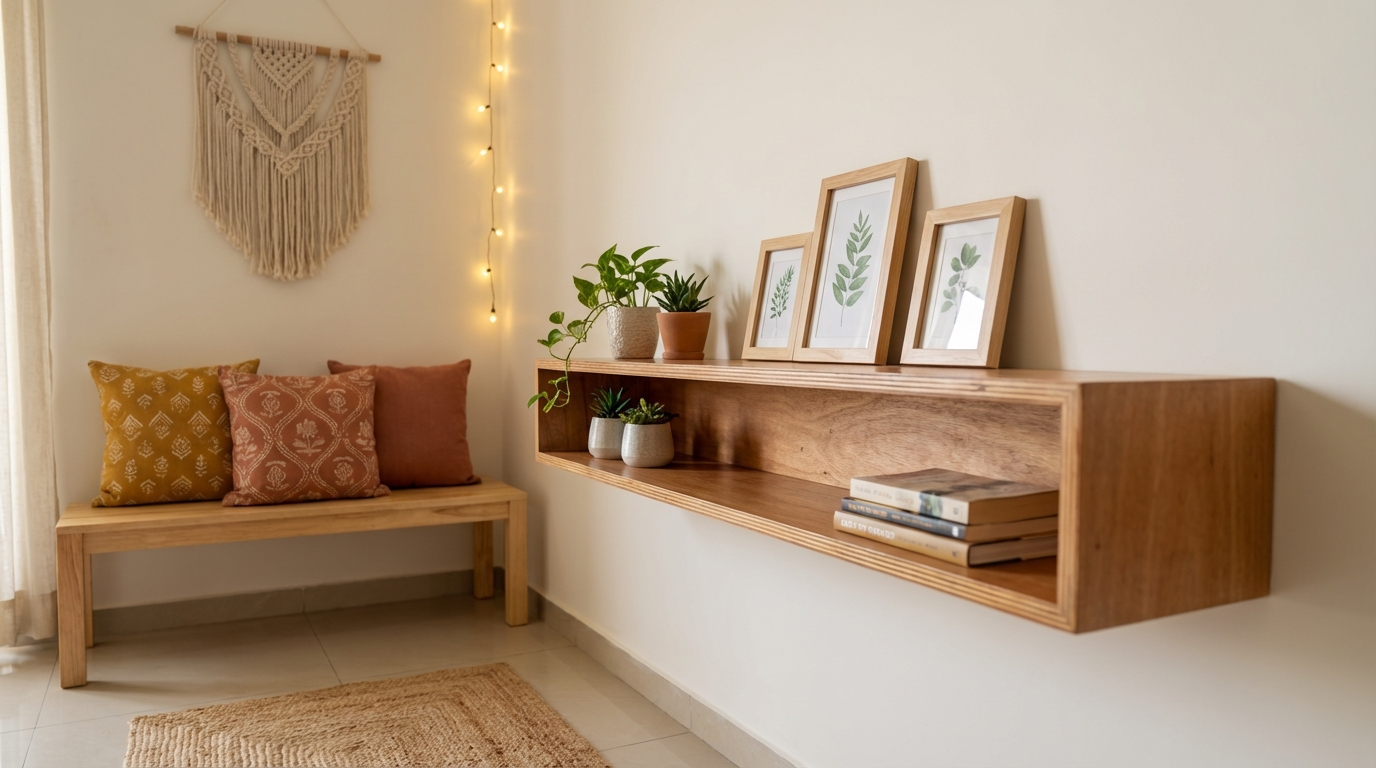
Open shelving works well for displaying curated items but requires commitment to dust management—a real concern in Indian cities. Use 18mm commercial plywood or blockboard for sturdy floating shelves. Apply melamine or PU finish for easy cleaning. Position shelves away from windows where dust accumulates fastest. Open shelving costs approximately ₹400-₹700 per running foot including installation, making it far more affordable than closed cabinets while creating visual interest.
Bedroom Decoration Ideas for Every Budget Tier
Bedroom decoration focuses on creating restful environments while addressing practical storage needs—a critical requirement in Indian homes where bedrooms often store seasonal items, documents, and overflow belongings. The bed wall typically anchors the room's visual impact.
Headboard Ideas Without Breaking the Budget
Custom headboards dramatically change bedroom aesthetics. Budget options include:
- Fabric-wrapped MDF panels (₹2,000-₹4,000): Use 12mm MDF wrapped in affordable upholstery fabric. This DIY project requires basic tools and can be completed in a weekend.
- Painted geometric patterns (₹500-₹1,500): Use painter's tape to create shapes directly on the wall behind the bed. No headboard needed—the wall becomes the design element.
- Wooden pallet headboards (₹1,500-₹3,000): Reclaimed pallet wood sanded and finished creates rustic appeal. Ensure proper termite treatment before bringing wood indoors in humid regions.
- Plywood panel with grooves (₹3,500-₹6,000): CNC-routed grooves on 18mm plywood create contemporary patterns. Apply PU finish for durability.
Storage Solutions That Double as Decor
Indian bedrooms need substantial storage without appearing cluttered. Vertical storage maximises floor space—tall bookshelves, wall-mounted cubbies, and over-bed storage compartments utilise otherwise wasted space. Use matching wicker baskets (₹200-₹500 each) on open shelves to organise items while maintaining clean lines.
Under-bed storage using plywood boxes on casters costs approximately ₹1,500-₹2,500 per unit and keeps seasonal bedding accessible but hidden. Specify MR-grade plywood for these storage boxes since they sit close to potentially damp floors.
What Thickness of Plywood Works Best for Bedroom Shelving?
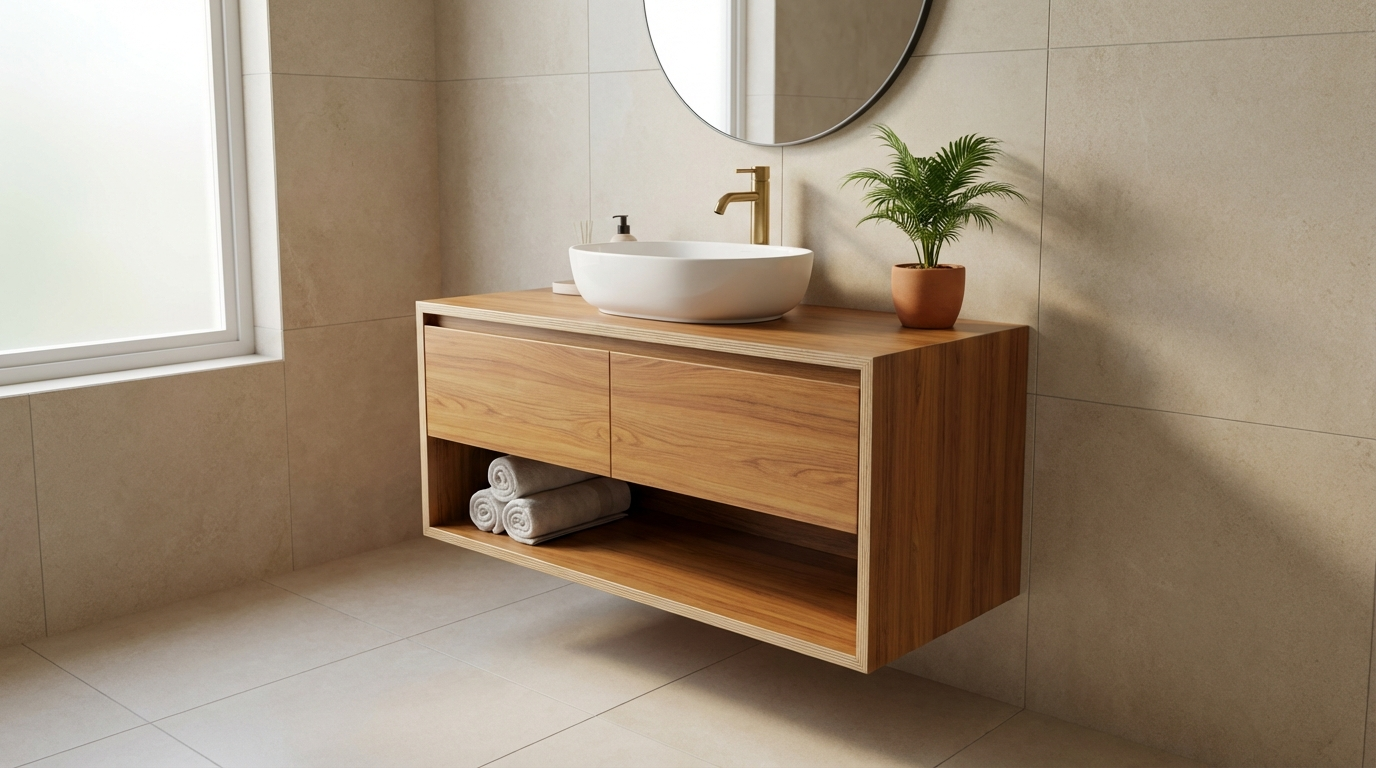
For bedroom shelving spanning up to 60cm without centre support, 18mm commercial plywood handles typical loads—books, decorative items, and light electronics. For spans up to 90cm, use 19mm BWR-grade plywood or add a metal bracket at midpoint. Visible shelves benefit from edge banding (₹15-₹25 per metre) to conceal the layered plywood core. Avoid 12mm plywood for shelving over 40cm span—sagging becomes visible within 6-12 months under normal loads.
Dining Area and Kitchen Decoration on a Budget
Kitchen and dining decoration in Indian homes must balance aesthetics with practical demands—oil splatter, humidity from cooking, and heavy daily use. Budget decoration here requires moisture-resistant materials and easy-clean surfaces.
Budget Kitchen Backsplash Alternatives
Traditional ceramic tiles remain cost-effective (₹30-₹80 per square foot including installation), but budget alternatives exist:
- Acrylic sheets with printed designs (₹150-₹250 per square foot): Heat-resistant variants work behind gas stoves. Easy installation with adhesive mounting.
- Stainless steel panels (₹200-₹350 per square foot): Commercial kitchen aesthetic, extremely durable and easy to clean.
- Painted plywood with glass overlay (₹180-₹280 per square foot): Custom colours possible, glass protects against moisture and heat.
For the dining area specifically, a gallery wall of family photographs in mismatched frames creates personalised charm. Keep frames to ₹100-₹300 range from local markets—expensive frames aren't necessary when the arrangement itself creates visual interest.
Can Budget Materials Handle Kitchen Humidity?
Standard MR-grade plywood handles normal kitchen humidity in most Indian climates. For areas directly exposed to water or steam—near sinks, above cooking ranges—upgrade to BWR-grade plywood with proper edge sealing. Apply two coats of PU sealer on all cut edges to prevent moisture ingress. In coastal cities or high-humidity zones (Kerala, coastal Karnataka, Mumbai during monsoon), consider HDHMR boards for cabinet carcasses even in budget projects—the 15-20% cost increase prevents swelling and delamination that requires expensive repairs later.
Wall Decoration Ideas That Don't Damage Rental Walls
Rented accommodation presents unique decoration challenges since permanent modifications typically violate lease agreements. Removable solutions allow personalisation without security deposit concerns.
Temporary Wall Solutions
Command strips and removable adhesive hooks support lightweight frames and decorative items without wall damage. Wall decals and vinyl stickers (₹200-₹1,500 depending on size) create accent effects that peel off cleanly. For larger impact, fabric tapestries hung from ceiling-mounted curtain rods transform walls without any surface contact.
Leaning mirrors and artwork against walls rather than hanging them creates gallery-style displays that require no drilling. Large canvas prints (₹500-₹2,000) propped on furniture add colour without commitment. This approach works particularly well in urban rental apartments where frequent moves make permanent decoration impractical.
Creating Zones Without Permanent Dividers
Open shelving units from affordable retailers create visual separation between living and dining areas without construction. Area rugs (₹1,500-₹5,000) define spaces in studio apartments. Curtain dividers hung from tension rods provide privacy when needed while being completely removable. These solutions work well in Indian cities where rental housing often features open floor plans that families prefer to segment.
Festival and Seasonal Decoration Strategies
Indian homes transform multiple times yearly for Diwali, Dussehra, Ganesh Chaturthi, Christmas, Eid, and regional festivals. Smart decoration means investing in reusable items rather than disposable decor that adds to landfill waste and recurring expenses.
Building a Reusable Festival Decoration Kit
Invest in quality items that serve multiple festivals:
- LED string lights (₹200-₹800): Warm white works for Diwali, Christmas, and year-round ambiance
- Brass or copper diyas and holders (₹500-₹2,000 for sets): Last generations with proper care
- Fabric table runners and cushion covers (₹300-₹800 each): Store seasonally, use annually
- Decorative urlis and bowls (₹400-₹1,200): Float flowers for festivals, use as fruit bowls otherwise
- Rangoli stencils (₹100-₹400): Create consistent designs year after year
How Long Do Budget Decorations Last?
Quality matters more than quantity for festival items. Brass items last indefinitely with occasional polishing. LED lights typically function for 3-5 years with careful storage. Fabric items last 5-8 years if washed and stored properly—use muslin cloth wrapping to prevent moisture damage. Paper decorations rarely survive more than one season, making them poor value despite low initial cost. Calculate cost-per-use rather than purchase price when evaluating festival decoration investments.
DIY Projects That Add Maximum Value
Do-it-yourself projects offer the highest savings but require honest self-assessment of skills and available time. Start with forgiving projects before attempting complex work.
Beginner-Friendly Projects (Under ₹2,000)
- Painted plant pots: Terra cotta pots transformed with acrylic paint and sealant
- Photo string display: Jute twine, mini clips, and printed photographs create personalised gallery
- Fabric lamp shade covers: Transform basic lampshades with fabric remnants
- Book stack side tables: Old hardcovers stacked and secured with decorative belts
- Wall-mounted makeup organiser: Picture frame with chicken wire backing
Intermediate Projects (₹2,000-₹5,000)
- Floating corner shelves: Cut triangular plywood pieces, sand, paint, mount with concealed brackets
- Upholstered headboard: MDF base, foam padding, fabric wrap, wall-mounted
- Window seat cushion: Plywood base with foam and fabric for bay windows
- Magnetic spice rack: Metal sheet mounted behind kitchen door, magnetic containers
When to Hire a Carpenter Instead of DIY
DIY saves money only when results are satisfactory. Projects requiring precise measurements, multiple cuts, or structural support typically benefit from professional involvement. A carpenter's day rate (₹600-₹1,200 depending on city and skill level) often saves material waste from amateur mistakes. Complex built-in storage, heavy wall-mounted units, and anything load-bearing should involve trained craftsmen. The rule of thumb: if mistakes require purchasing materials again, hire professional help.
Lighting Changes That Transform Spaces Affordably
Lighting ranks among the most impactful yet overlooked decoration elements. Changing light quality, direction, and colour temperature dramatically alters room perception without structural changes.
Layered Lighting on a Budget
Professional designers use three lighting layers: ambient (general illumination), task (specific work areas), and accent (highlighting features). Budget implementation:
- Ambient: Replace single overhead fixtures with warmer bulbs (2700K-3000K colour temperature). Dimmer switches (₹300-₹800) add versatility to existing fixtures.
- Task: Desk lamps and reading lights (₹400-₹1,500) where needed. Under-cabinet LED strips in kitchens (₹200-₹600 per metre).
- Accent: Picture lights above artwork (₹500-₹1,200), LED strips behind TV units or under beds for ambient glow (₹150-₹400 per metre).
Best Bulb Types for Indian Homes
LED bulbs justify their higher upfront cost through 80% energy savings and 15,000-25,000 hour lifespan versus 1,000 hours for incandescent. For living spaces, 2700K-3000K provides warm, inviting light. Kitchens and bathrooms function better with 4000K-5000K (neutral to cool white) for accurate colour perception. Smart bulbs (₹600-₹1,500) offering colour temperature adjustment provide flexibility but aren't necessary for effective room transformation.
Common Room Decoration Mistakes and How to Avoid Them
Understanding common errors prevents costly corrections and disappointing results. These mistakes appear consistently across Indian homes regardless of budget level.
| Mistake | Why It Happens | How to Avoid |
|---|---|---|
| Buying furniture before measuring | Excitement over sales, poor spatial awareness | Create floor plan with measurements first; use tape on floor to visualise furniture footprint |
| Matching everything too precisely | Fear of clashing, reliance on furniture sets | Mix textures and eras deliberately; "collected over time" looks more expensive than matched sets |
| Ignoring lighting until the end | Lighting seen as functional, not decorative | Plan lighting alongside furniture; it affects colour perception of everything else |
| Hanging artwork too high | Eye-level intuition while standing | Centre artwork at 145-150cm from floor; lower when viewing while seated |
| Using too-small rugs | Budget constraints lead to undersized purchases | Front legs of furniture should rest on rug; save for appropriately sized rug rather than buying small |
| Overcrowding rooms | Accumulation over time, reluctance to discard | Leave 30-40% of surface areas empty; negative space is essential to good design |
| Ignoring vertical space | Focus on floor-level furniture only | Use wall-mounted shelving, tall bookcases, curtains hung close to ceiling |
| Choosing trends over comfort | Social media influence, showroom appeal | Live with samples before committing; what photographs well may not live well |
| Neglecting entryways | Treating entrance as transition, not destination | First impression matters; invest in entry lighting, shoe storage, key hooks |
| Using wrong paint finish for space | Unfamiliarity with paint properties | Matte for bedrooms, satin/eggshell for living areas, semi-gloss for kitchens/bathrooms |
Material Selection for Long-Lasting Budget Decor
Budget decoration fails when cheap materials deteriorate quickly, requiring replacement that exceeds initial savings. Understanding material properties prevents this false economy.
Plywood and Board Selection for Decorative Elements
For visible decorative shelving and panels, specify:
- Commercial plywood (MR grade): Adequate for dry interior applications in most Indian climates. 18mm for shelving, 12mm for backing panels.
- BWR-grade plywood: Necessary near moisture sources—bathroom shelving, kitchen areas, balcony-adjacent furniture.
- MDF: Excellent for painted finishes due to smooth surface. Avoid in humid areas—MDF swells irreversibly when wet.
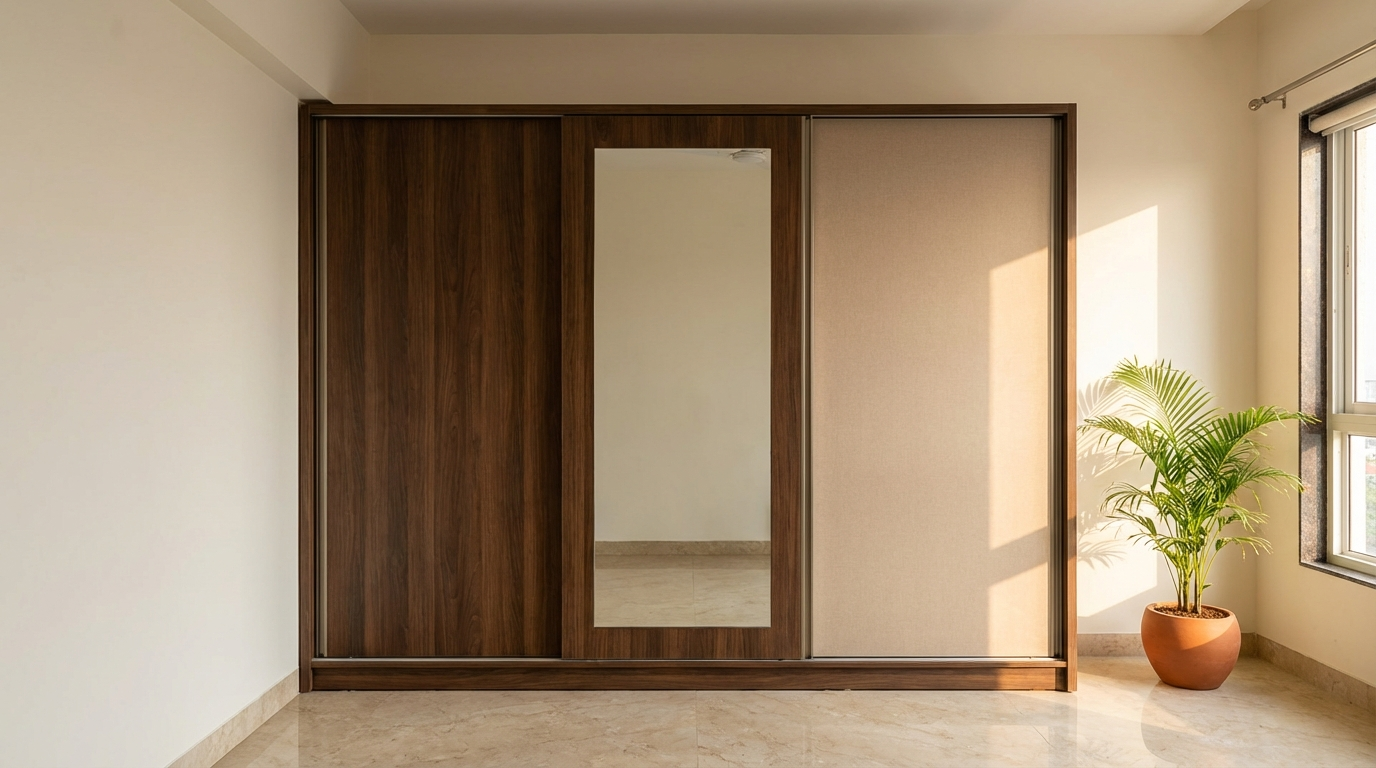
- Particle board: Lowest cost but weakest screw holding. Acceptable only for low-stress applications like wardrobe backs.
For those exploring material options in depth, our detailed plywood grade comparison provides comprehensive guidance on selecting appropriate materials for specific applications.
Fabric and Textile Durability Factors
Upholstery and curtain fabrics face particular challenges in Indian homes—dust accumulation, sunlight fading, and humidity effects. Choose:
- Cotton-polyester blends: More fade-resistant than pure cotton, easier maintenance
- Jute and natural fibres: Work well in dry climates; avoid in coastal humidity without treatment
- Blackout curtain lining: Protects decorative curtain fabric from sun damage, extends life by 50-100%
Budget Allocation Framework for Different Room Sizes
Smart budget allocation maximises impact by directing funds to high-visibility areas and durable items. This framework helps prioritise spending across typical Indian home configurations.
| Room Size | Suggested Budget Range | Priority Allocation | Where to Economise |
|---|---|---|---|
| Small (under 100 sq ft) | ₹5,000-₹10,000 | 70% on lighting and mirrors (creates space illusion) | Minimal furniture; use vertical storage |
| Medium (100-200 sq ft) | ₹10,000-₹20,000 | 50% on feature wall + seating upgrade | DIY artwork and accessories |
| Large (200-400 sq ft) | ₹15,000-₹35,000 | 40% on area definition (rugs, lighting zones) | Refurbish existing furniture rather than replace |
| Open Plan | ₹25,000-₹50,000 | 50% on cohesive elements that unify spaces | Consistent colour palette reduces need for expensive statement pieces |
Phased Decoration Approach
Rather than attempting complete transformation at once, phase decoration over 3-6 months. Month one: paint and lighting. Month two: textiles and soft furnishings. Month three: artwork and accessories. This approach prevents budget exhaustion that leads to cheap compromises on later elements. It also allows living with changes to ensure they function well before proceeding.
Regional Considerations Across India
Indian climate diversity demands regionally appropriate decoration choices. What works in dry Rajasthan fails in humid Bengal.
Coastal and High-Humidity Zones
Mumbai, Chennai, Kolkata, and Kerala require moisture-resistant choices throughout. Metal frames over wooden for mirrors and artwork. Washable paint finishes (semi-gloss or satin) rather than flat matte. Avoid jute and untreated natural fibres—synthetic alternatives maintain appearance better. BWR-grade plywood minimum for any custom furniture, even in non-wet areas.
Dry Northern Plains
Delhi, Jaipur, and interior northern cities face extreme temperature swings and dust. Heavy curtains serve dual purpose: aesthetic and thermal insulation. Natural materials like jute and cotton work well without humidity concerns. Focus on easy-clean surfaces—dust accumulation in these areas exceeds coastal cities significantly.
High-Altitude Regions
Shimla, Darjeeling, and northeast hill stations deal with cold and damp. Warm colour palettes combat grey weather psychologically. Wool and heavy textiles provide comfort and insulation. Adequate ventilation remains important to prevent mould despite cold—balance warmth with air circulation.
Quality Checks Before Buying Decoration Materials
Simple inspection techniques prevent purchasing substandard materials that undermine decoration efforts.
Plywood and Board Inspection
- Weight test: Heavier boards generally indicate denser, more durable core. Compare similar-sized sheets.
- Edge examination: Look for core voids, gaps between layers, or uneven lamination at cut edges.
- Flexibility check: Quality plywood has consistent flex; avoid sheets that feel stiff in some areas, flexible in others.
- Tap test: Hollow sounds indicate core voids or delamination.
- Moisture check: Surface should feel uniformly dry; damp spots indicate improper storage.
Fabric and Textile Verification
- Burn test (small thread): Pure cotton burns to ash; synthetic melts. Verify fabric composition.
- Stretch test: Pull fabric diagonally; excessive stretch indicates poor weave quality.
- Colour fastness: Rub white cloth on fabric; colour transfer indicates poor dye quality that will fade quickly.
Paint Quality Indicators
- Coverage specifications: Quality paints cover 100-120 square feet per litre; cheap paints require multiple coats.
- VOC content: Low-VOC paints cost slightly more but improve indoor air quality significantly.
- Washability rating: Worth premium in high-traffic areas and homes with children.
Frequently Asked Questions
What is the cheapest way to decorate a room in India?
The most affordable room decoration approach combines rearranging existing furniture with strategic DIY additions. Start by decluttering and reorganising—this costs nothing but transforms appearance. Add affordable textiles like cushion covers and curtains (₹500-₹1,500 total) to introduce colour and pattern. Create a gallery wall using printed photographs in inexpensive frames from local markets. Indoor plants in basic terracotta pots add life without significant expense. Paint remains the highest-impact single investment—one accent wall in a statement colour (approximately ₹500-₹1,000 for paint and supplies) changes room character dramatically.
How can I make my bedroom look luxurious on a budget?
Bedroom luxury perception relies more on texture and lighting than expensive furniture. Layer bedding with multiple pillows and a quality duvet—this costs ₹2,000-₹4,000 but creates hotel-like appearance. Add bedside table lamps with warm-toned bulbs rather than overhead lighting. Install curtains that hang from ceiling height rather than just above windows—this creates height illusion and dramatic effect. Keep surfaces clear of clutter using attractive storage solutions. A single large mirror reflects light and creates spaciousness. Finally, ensure consistent colour temperature in all light sources—mixed cool and warm lighting feels chaotic rather than luxurious.
What are the best colours for small Indian rooms?
Light, warm neutrals work best for small rooms in Indian homes—soft whites, creams, pale greys, and muted pastels reflect light and create openness. However, completely white rooms can feel sterile. Add warmth through one accent wall in a deeper tone of the same colour family. In north-facing rooms with limited natural light, avoid cool greys that appear dingy; opt for warm cream or soft yellow undertones instead. For south-facing rooms with abundant light, cooler tones work better. The ceiling should always be lighter than walls to maintain height perception.
How do I decorate a living room with Indian traditional elements on a budget?
Indian traditional aesthetics rely on handcrafted items, brass accents, and textile richness. Source items from local artisan markets rather than designer stores—Janpath in Delhi, Colaba Causeway in Mumbai, and local haat markets offer traditional items at fraction of retail prices. Invest in a few quality brass pieces (lamp, urli, decorative plate) that last generations rather than multiple cheap items. Use block-printed or ikat cushion covers from regional textile centres. Display family heirlooms prominently—vintage items carry authenticity that new purchases cannot replicate. A single handloom rug anchors traditional living room design effectively.
Is wallpaper better than paint for budget room decoration?
Paint generally offers better budget value than wallpaper in Indian conditions. Quality interior paint costs ₹200-₹400 per litre, covering approximately 100 square feet in two coats—roughly ₹8-₹16 per square foot total. Wallpaper ranges from ₹40-₹150 per square foot plus installation. More importantly, wallpaper struggles in humid climates—edges lift, seams separate, and replacement becomes expensive. Paint handles moisture better and allows easy touch-ups. However, for specific accent walls in dry, air-conditioned spaces, wallpaper creates patterns impossible with paint. Consider peel-and-stick wallpaper (₹50-₹80 per square foot) for temporary accent applications in rentals.
How often should I change room decoration?
Major decoration elements—paint, furniture placement, fixed shelving—benefit from 5-7 year cycles in well-maintained spaces. Textiles like curtains and upholstery typically need refreshing every 3-5 years due to fading and wear. Seasonal changes to cushion covers, throws, and accessories keep spaces feeling fresh without major investment. Festival decoration provides natural opportunity for temporary transformation. The key principle: change decoration when spaces stop feeling comfortable or functional, not based on trends. Well-chosen timeless elements outperform trendy items that feel dated within 2-3 years.
What are common mistakes when decorating small Indian apartments?
The most frequent small apartment errors include: choosing furniture scaled for larger spaces (oversized sofas that overwhelm rooms), neglecting vertical storage potential, using heavy dark colours that absorb light, over-decorating surfaces creating visual clutter, ignoring multi-functional furniture opportunities, placing all furniture against walls leaving awkward centre space, and inadequate lighting that makes spaces feel smaller and darker. Successful small space decoration requires deliberate choices—each item must earn its space through function or significant aesthetic contribution. Leave breathing room; empty space is an essential design element, not wasted opportunity.
How can I decorate my home for Diwali on a budget?
Diwali decoration focuses on light, colour, and traditional elements. Invest in reusable LED string lights and quality brass diyas rather than single-use items—this saves money over multiple years. Create rangoli using stencils and chalk powder (reusable annually) rather than expensive flower petals. Marigold garlands from local flower markets provide affordable traditional colour. Clean and polish existing brass items rather than buying new. Use fabric runners and cushion covers in festive colours that serve for multiple festivals. Focus decoration on entry areas and puja spaces—these zones create maximum festive impact without decorating entire homes.
What lighting is best for Indian living rooms?
Indian living rooms benefit from warm ambient lighting (2700K-3000K colour temperature) as primary illumination, supplemented by task lighting where needed. Avoid single harsh overhead fixtures—layer multiple light sources at different heights. Wall sconces and floor lamps create softer, more inviting atmosphere than ceiling fixtures alone. Install dimmer switches to adjust ambiance for different occasions. For living rooms used for multiple purposes—family time, guest entertainment, television viewing—lighting flexibility matters more than any single fixture choice. LED strips behind TV units reduce eye strain during viewing while adding contemporary aesthetic.
How do I decorate rented accommodation without losing my deposit?
Rental-friendly decoration relies on removable solutions. Command strips and removable hooks support lightweight frames and shelves without wall damage. Peel-and-stick wallpaper creates accent effects that remove cleanly (test in inconspicuous area first). Lean artwork against walls rather than hanging. Use floor-standing mirrors and plants that don't require wall mounting. Furniture slipcovers transform existing pieces without modification. Tension rod curtains install without drilling. Area rugs define spaces and add colour without affecting flooring. Document existing condition photographically at move-in to protect deposit regardless of decoration choices.
Can I use plywood for decorative wall panels?
Plywood works excellently for decorative wall panels when properly finished. Use 6mm or 8mm MR-grade plywood for flat panels; increase to 12mm for panels with routed grooves or patterns. Apply laminate, veneer, or PU paint finish for aesthetic appeal and moisture protection. Seal all cut edges thoroughly—exposed plywood edges absorb moisture and swell, particularly in humid Indian climates. For bathroom or kitchen accent walls, upgrade to BWR-grade plywood. Installation typically requires french cleat systems or concealed brackets for clean appearance. Our wall panel design guide covers installation techniques in detail.
What is the best flooring option for budget-conscious home decoration?
Vinyl flooring offers the best budget-to-performance ratio for Indian homes, ranging ₹40-₹120 per square foot including installation. It handles moisture well, requires minimal maintenance, and comes in wood and stone patterns indistinguishable from expensive materials at normal viewing distance. For existing tile or cement floors in good condition, area rugs and floor paint offer even more affordable transformation. Laminate flooring (₹60-₹150 per square foot) looks premium but handles moisture poorly—avoid in humid climates or near wet areas. Genuine wood flooring, while beautiful, typically exceeds budget decoration thresholds at ₹200-₹500+ per square foot.
How do I choose curtains that look expensive but aren't?
Expensive-looking curtains rely on fullness, length, and hanging method more than fabric cost. Use fabric width 2-2.5 times window width for proper draping—skimping on fabric creates flat, cheap appearance regardless of material quality. Hang curtains close to ceiling rather than just above window frame—this creates height and drama. Choose full-length curtains that break slightly on floor rather than stopping at sill. Simple solid colours in medium-weight fabrics look more sophisticated than busy patterns in cheaper materials. Add weight with cotton lining—this improves draping and light blocking while protecting decorative fabric from sun damage.
What are affordable alternatives to expensive furniture?
Affordable furniture alternatives include: second-hand and refurbished pieces from online marketplaces and local dealers (often 40-60% of new prices for quality items), custom-built pieces from local carpenters using economical plywood with laminate finish (comparable quality to branded furniture at lower cost), rental furniture for temporary arrangements, and modular flat-pack options from budget retailers. Focus spending on heavily-used items—sofa and mattress quality affects daily comfort more than occasional-use pieces like accent chairs. Splurge on comfort items; economise on display pieces that primarily serve aesthetic function.
Final Thoughts on Budget Room Decoration
Successful room decoration on a budget requires honest assessment of priorities, creative problem-solving, and patience. The most beautifully decorated Indian homes typically evolve over years rather than transforming overnight. This gradual approach allows living with choices, understanding what truly works for your family's lifestyle, and avoiding expensive mistakes born from rushed decisions.
Remember that decoration serves life, not the other way around. A perfectly styled room that doesn't accommodate how you actually live—children playing, extended family visiting, work-from-home needs, seasonal storage—fails regardless of how it photographs. Start with function, layer in personality, and trust that budget constraints often produce more creative, more personal spaces than unlimited spending ever could.
The principles covered here—strategic material selection, appropriate climate considerations, phased implementation, and quality over quantity—apply whether your budget is ₹5,000 or ₹50,000. What matters is making each rupee work toward a home that feels genuinely yours.
Disclaimer: This content is provided for general informational purposes based on industry practices and publicly available information. Product specifications, standards, prices, and availability may vary by manufacturer, region, and time. Readers should independently verify details with manufacturers, dealers, or qualified professionals before making purchase or construction decisions.Want Plywood Suggestions?
Share a few details and a Sainik 710 specialist will suggest suitable brands and connect you to responsive dealers.