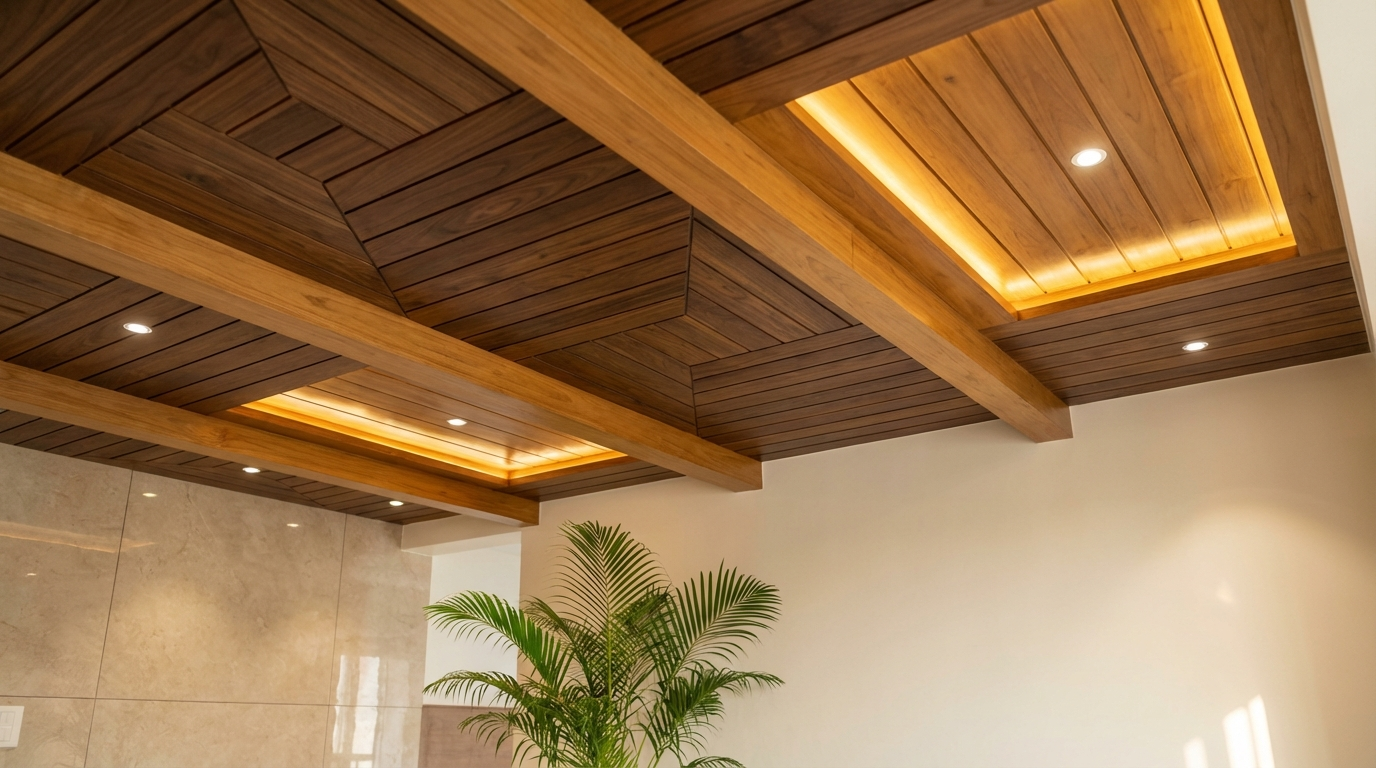
Luxury Bedroom Design: 25+ Premium Interior Ideas with Materials & Furniture Guide
Explore 25+ luxury bedroom designs—premium interiors, master bedroom layouts & high-end furniture. Get material guide for creating opulent bedrooms.
Quick Decision Summary
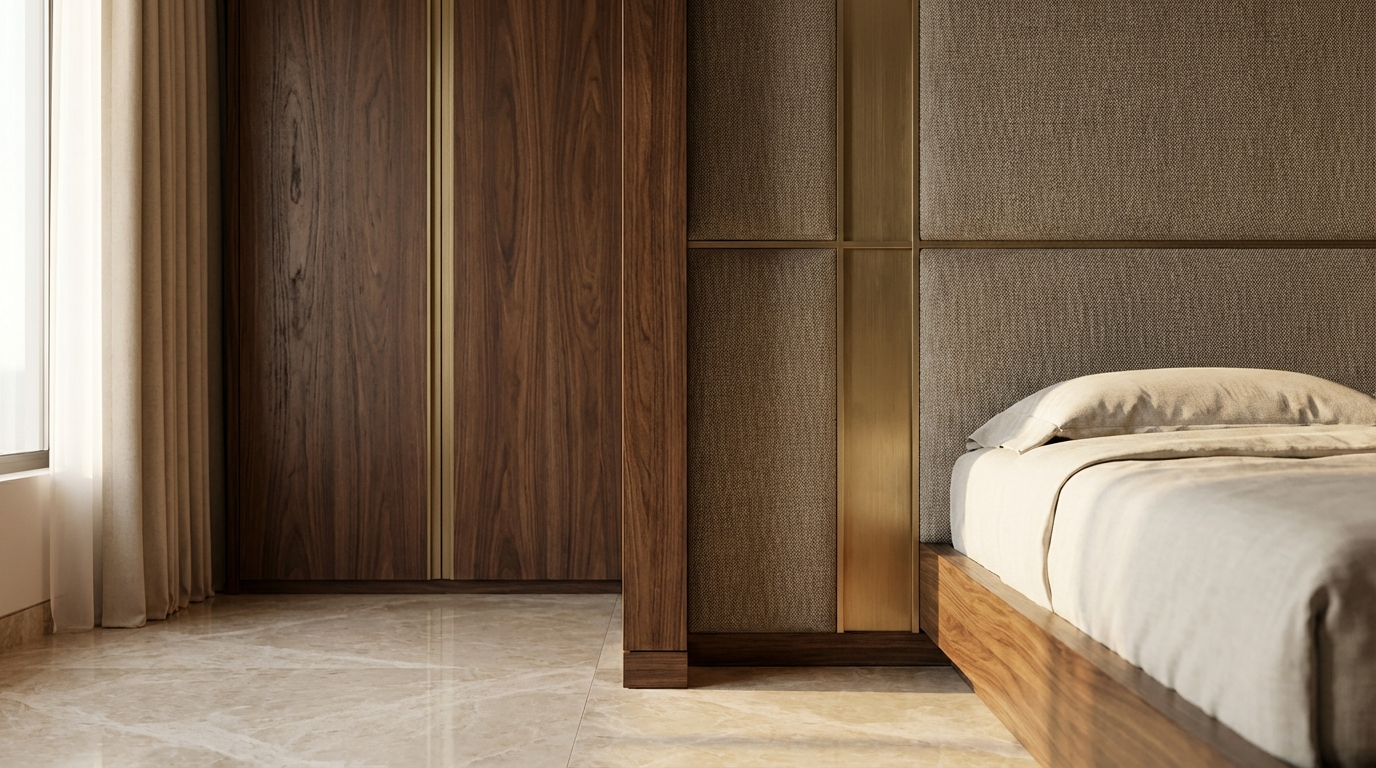
Luxury bedroom design combines premium materials like natural veneers, high-grade plywood, and sophisticated finishes with thoughtful layouts that balance aesthetics, comfort, and durability for Indian climate conditions.
If you're short on time: A truly luxurious bedroom requires investing in BWR-grade plywood (minimum 18mm) for bed frames and wardrobes, natural wood veneers or premium laminates for surfaces, and careful attention to moisture protection—especially in coastal and humid regions. Focus your budget on the bed headboard, wardrobe finishes, and lighting fixtures, as these create the most visual impact. Skip the imported materials if your city experiences high humidity; instead, choose calibrated plywood with PU-finished veneers that handle Indian conditions better.
- Choose luxury bedroom design if: You want a master retreat that feels hotel-like, value long-term durability over quick fixes, and can invest in quality materials plus skilled carpentry
- Avoid this approach if: You're planning to move within 2-3 years, have severe budget constraints, or your bedroom lacks proper ventilation and moisture control
Key takeaway: Luxury isn't about spending more—it's about spending smartly on materials that perform well in your specific climate zone while creating visual sophistication through design coherence.
What Luxury Bedroom Design Actually Means in the Indian Context
Luxury bedroom design refers to creating a premium sleeping space that combines high-quality materials, sophisticated aesthetics, and superior functionality—tailored to perform reliably across Indian climate conditions ranging from coastal humidity to dry northern winters. Unlike basic bedroom setups, luxury interiors demand careful material selection, precise carpentry, and cohesive design thinking that elevates both daily comfort and long-term durability.
The technical definition involves several interconnected elements. Material grade sits at the foundation—this means BWR or BWP-grade plywood for furniture cores, natural wood veneers or high-pressure laminates for visible surfaces, and hardware that won't corrode or fail. Construction quality matters equally: calibrated plywood ensures flat surfaces and consistent thickness, while proper edge banding prevents moisture ingress that causes swelling and delamination.
Many homeowners confuse expensive-looking finishes with true luxury. A glossy laminate wardrobe might photograph beautifully but fail within three monsoons if the core plywood is MR-grade in a humid city like Chennai or Mumbai. Conversely, a well-constructed bedroom with understated natural veneer finishes on BWR plywood will age gracefully for decades. True luxury combines visual appeal with material integrity.
What separates premium bedroom interiors from standard setups?
Premium bedroom interiors differ from standard setups in three fundamental ways: material selection, construction precision, and finish detailing. Standard bedrooms typically use commercial MR-grade plywood with pre-laminated surfaces, basic hardware, and minimal edge protection. Premium spaces invest in calibrated BWR plywood, natural veneers with PU or melamine polish, soft-close mechanisms, and proper moisture barriers at all vulnerable points. The difference becomes apparent after 4-5 years of use—standard setups show warping, hardware failure, and surface degradation, while premium installations maintain their original appearance and functionality.
India-Specific Reality Check: Moisture, Termites, and Workmanship Challenges
Indian bedrooms face unique challenges that European or American design guides never address. The monsoon season brings sustained humidity levels of 70-90% across most of the country, with coastal cities like Mumbai, Chennai, Kolkata, and Kochi experiencing salt-laden air that accelerates corrosion and fungal growth. Even air-conditioned bedrooms undergo dramatic humidity swings when the AC cycles off during power cuts or overnight.
Termite risk remains severely underestimated in bedroom furniture planning. While kitchens often receive anti-termite treatment, bedroom wardrobes and bed frames frequently sit directly against walls without any protection, creating perfect conditions for infestation. The concealed back panels of wardrobes—typically made from thin MDF or hardboard—are particularly vulnerable because they're rarely treated and trap moisture against walls.
Regional variations demand different approaches. Coastal cities need marine-grade (BWP) plywood and stainless steel hardware even for bedroom furniture. Northern plains experience extreme temperature swings that cause veneer lifting and joint gaps if expansion allowances aren't built in. Southern hill stations like Ooty and Kodaikanal face persistent dampness that requires special consideration for any wooden furniture.
How does monsoon humidity affect luxury bedroom furniture?
Monsoon humidity causes three primary problems in bedroom furniture: veneer lifting, core swelling, and hardware corrosion. Veneer lifting occurs when moisture penetrates unsealed edges and separates the decorative layer from the plywood core—this appears as bubbles or peeling surfaces. Core swelling happens when MR-grade plywood absorbs moisture through exposed cuts or inadequate edge banding, causing doors to stick and drawers to jam. Hardware corrosion affects hinges, drawer slides, and handles, particularly in coastal areas where salt accelerates oxidation. Preventing these issues requires BWR-grade plywood, complete edge sealing, and marine-grade or stainless steel hardware in vulnerable locations.
Common contractor practices often compromise luxury bedroom durability. Many carpenters use MR-grade plywood for "dry areas" like bedrooms without understanding that Indian humidity affects these spaces significantly. Back panels frequently get downgraded to thin MDF to save costs, edge banding gets skipped on concealed surfaces, and anti-termite treatment gets applied only to ground-floor installations. These shortcuts are invisible at handover but cause problems within 2-4 years.
Design Ideas with Practical Material Choices for Indian Bedrooms
Luxury bedroom design succeeds when aesthetic vision aligns with material reality. Each design style demands specific material combinations that perform well in Indian conditions while achieving the intended visual effect. Below are practical design concepts with exact material specifications.
Contemporary Minimalist Designs:
- Platform bed with floating effect: 19mm calibrated BWR plywood core, matte PU-finished walnut veneer, concealed steel frame support—best for AC-controlled bedrooms
- Handle-less wardrobe with push-to-open: 18mm BWR plywood, high-gloss acrylic laminate, aluminum J-profile edging—requires precise calibrated boards for gap-free doors
- Backlit headboard panel: 12mm MDF backing with routed channels for LED strips, fabric-wrapped front panel—keep MDF away from external walls in humid cities
- Floating bedside units: 18mm BWR plywood with concealed wall brackets rated for 25kg+ load—ensure wall can handle weight
Classic Luxury Designs:
- Upholstered headboard with button tufting: 18mm plywood base, high-density foam padding, leatherette or fabric cover—choose moisture-resistant synthetic fabrics for coastal areas
- Traditional carved wardrobe doors: Solid teak or Burma teak veneer on BWR core, hand-carved appliqués, antique brass hardware—requires skilled carpenter familiar with traditional joinery
- Four-poster bed frame: Solid hardwood posts (minimum 75mm x 75mm), BWR plywood platform base, traditional wood-to-wood joints with modern hardware reinforcement
- Chest of drawers with intricate inlay: Engineered wood core with real wood veneer, mother-of-pearl or brass inlay work—protect with clear PU coat
Modern Indian Fusion Designs:
- Jaali-pattern wardrobe shutters: CNC-cut MDF panels backed with fabric or mirror, framed in solid wood—use only in AC bedrooms due to MDF humidity sensitivity
- Brass-accented bed frame: Powder-coated MS frame with brass-finish metal strips, wooden platform with veneer finish—industrial yet warm aesthetic
- Textured wall panel behind bed: WPC panels or fluted MDF with PU finish, creates acoustic benefit alongside visual impact—excellent for shared walls
- Mixed material dresser: Stone top (granite or engineered quartz) on wooden cabinet base—adds luxury hotel feel while being practical
Space-Optimizing Luxury Designs:
- Murphy bed with wardrobe integration: Heavy-duty hydraulic mechanisms, 19mm calibrated BWR plywood, premium veneer finish—requires wall reinforcement and professional installation
- Walk-in wardrobe within bedroom: Floor-to-ceiling units with glass-front display sections, internal lighting, soft-close throughout—plan for 3-4 feet clear depth minimum
- Bay window seating with storage: 18mm marine plywood for window-adjacent units, cushioned top with weatherproof fabric—critical for monsoon protection
- Ceiling-height wardrobes with loft: Double-layer construction with accessible lower section and deep storage loft—use lightweight items in loft to reduce structural load
Dimension ranges for standard Indian bedrooms: Master bedrooms typically range from 12x14 feet to 16x18 feet in premium apartments. King-size beds need minimum 10x12 feet clear space with 3 feet circulation on at least two sides. Wardrobes should maintain 24-inch minimum depth for hanging clothes, with 8-10 feet width being comfortable for two-person usage.
Material Selection Guide: Plywood, Veneers, and Finishing Options
The foundation of any luxury bedroom lies in material selection. Plywood choice determines structural integrity, veneer or laminate selection defines visual character, and finishing quality protects your investment against Indian climate challenges.
Plywood Grade Selection:
| Application | Recommended Grade | Minimum Thickness | Why This Choice |
|---|---|---|---|
| Bed frame platform | BWR calibrated | 19mm | Load-bearing, needs dimensional stability |
| Wardrobe carcass | BWR calibrated | 18mm | Screw holding for hinges, humidity resistance |
| Wardrobe shutters | BWR calibrated | 18mm | Prevents warping, ensures smooth operation |
| Dresser/side tables | BWR standard | 18mm | Less load stress, cost optimization possible |
| Back panels | BWR (not MDF) | 6-9mm | Moisture barrier, termite resistance |
| Headboard panel | MR grade acceptable | 12-18mm | Non-structural, away from moisture sources |
| False ceiling framing | BWR waterproof | 12mm | AC condensation risk in bedrooms |
Surface Finish Options:
Natural wood veneers represent the pinnacle of luxury bedroom surfaces. Teak, walnut, oak, and ash veneers provide authentic wood character that laminates cannot replicate. However, veneers require protective finishes—PU (polyurethane) polish offers excellent durability and water resistance, while melamine provides a more natural matte appearance. Veneer thickness matters: 0.5mm standard veneers work for most applications, while 1mm or thicker options allow for light sanding and refinishing.
High-pressure laminates (HPL) offer durability advantages over veneers, particularly for high-touch surfaces like wardrobe handles areas and dresser tops. Premium laminate brands now offer remarkably realistic wood textures that approach veneer aesthetics. For luxury bedrooms, choose textured or synchronized laminates where the surface texture matches the printed wood grain pattern—this dramatically improves visual authenticity.
Acrylic and lacquer finishes create the high-gloss surfaces popular in contemporary luxury bedrooms. These require perfectly calibrated, void-free plywood because any surface irregularity shows through the reflective finish. PU lacquer offers similar gloss with better repairability than acrylic panels.
Furniture Planning: Beds, Wardrobes, and Storage Systems
Luxury bedroom furniture requires integrated planning rather than piece-by-piece purchasing. The bed, wardrobes, side tables, and storage systems should share design language, material palette, and proportional relationships that create visual harmony.
Bed Design Considerations:
The bed dominates bedroom visual hierarchy and deserves maximum attention. Platform beds suit contemporary aesthetics and work well with Indian mattress preferences (we typically use thicker mattresses than Western markets). Box beds with hydraulic storage solve space constraints in urban apartments—specify gas lifts rated for the mattress weight plus 50% safety margin. Headboard height should relate to room proportions: standard 3.5-4 feet works for 10-foot ceilings, while 5-6 foot dramatic headboards suit higher-ceilinged rooms.
Construction details matter for bed longevity. Platform beds need cross-support at 12-inch intervals minimum, with solid wood or metal center rail for king-size. Leg joints require proper corner blocks—ask your carpenter to show you the internal bracing before veneer application. For upholstered beds, insist on treated plywood backing and moisture-barrier fabric lining to prevent foam degradation.
Wardrobe Planning Framework:
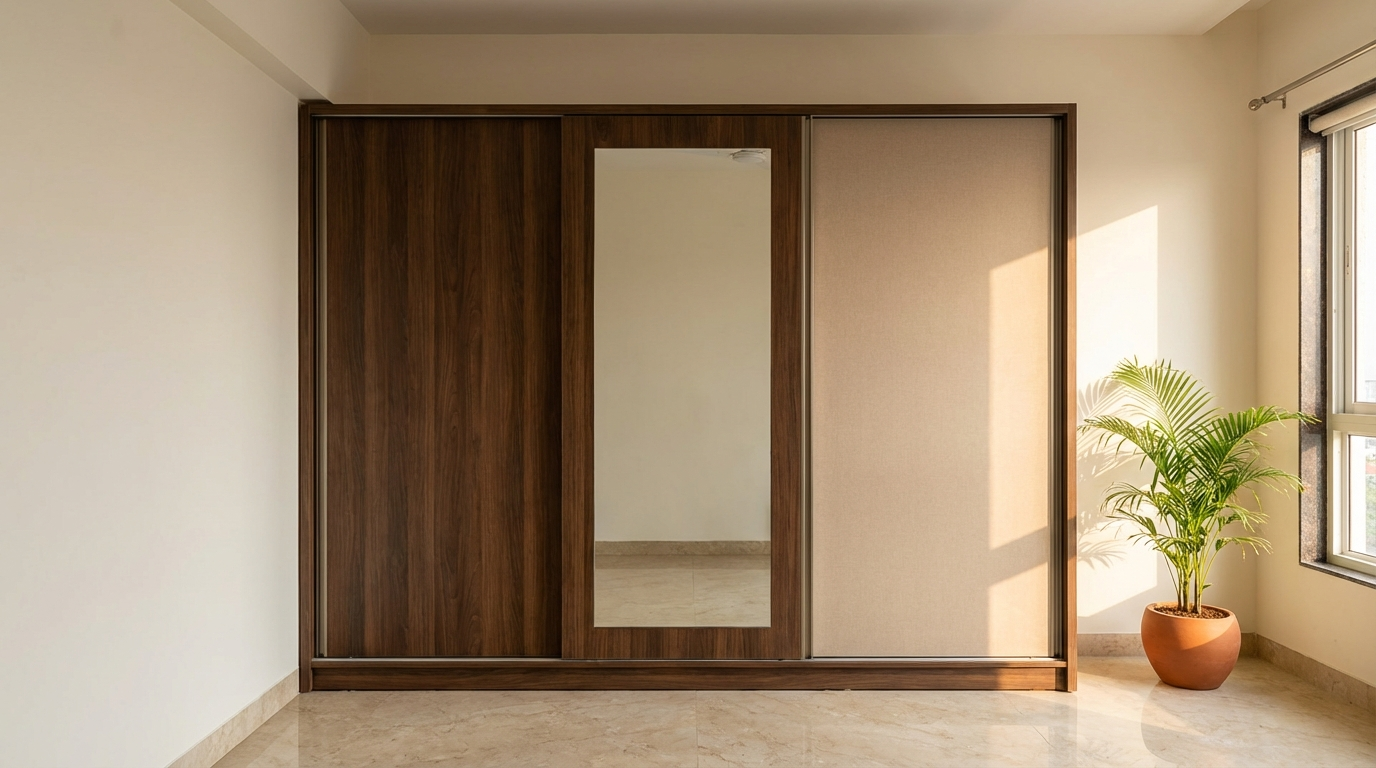
Luxury wardrobes balance storage capacity with door operation and visual impact. Sliding doors suit compact rooms where swing clearance is limited, while hinged doors offer full-width access and better seal against dust. For rooms over 14 feet wide, consider combining both: hinged doors for daily-use sections and sliding doors for seasonal storage.
Internal organization elevates wardrobe functionality. Plan for: hanging space at two heights (long garments and folded-shirt length), pull-out trouser hangers, dedicated sari/saree drawers with full-width capacity, accessory drawers with velvet lining for jewelry, and adjustable shelving for changing needs. Built-in LED lighting with door-activated switches transforms wardrobe functionality and adds luxury feel.
Hardware selection often gets neglected in wardrobe budgeting. Soft-close hinges (minimum 2 per shutter for 18mm plywood), concealed hinges with 3D adjustment, and quality drawer slides (ball-bearing type, full extension) significantly impact daily experience. Specify hardware brands and models before work begins to prevent substitution with cheaper alternatives.
Price Range and Cost Drivers in the 2026 Market
Luxury bedroom furniture costs vary dramatically based on material choices, construction complexity, and regional market conditions. Understanding cost drivers helps budget effectively and identify where premium spending delivers genuine value versus diminishing returns.
Plywood Cost Factors:
- BWR calibrated plywood: ₹85-140 per square foot (18mm), varying by brand tier and core wood species
- Marine grade (BWP): 15-25% premium over BWR for equivalent thickness
- Calibration adds ₹8-15 per square foot but essential for high-gloss finishes
- Hardwood core vs mixed core: ₹10-20 per square foot difference, hardwood offers better screw holding
Surface Finish Cost Ranges:
- Natural wood veneer with PU polish: ₹120-300 per square foot (material + application)
- Premium synchronized laminates: ₹60-150 per square foot (material only)
- High-gloss acrylic finish: ₹180-350 per square foot (panel + application)
- Lacquer/duco paint finish: ₹150-280 per square foot (material + multiple coat application)
Complete Furniture Budget Estimation:
| Item | Standard Luxury | Premium Luxury | Ultra-Premium |
|---|---|---|---|
| King bed with storage | ₹80,000-1,20,000 | ₹1,50,000-2,50,000 | ₹3,00,000+ |
| 8-foot wardrobe (2-door) | ₹1,20,000-1,80,000 | ₹2,00,000-3,50,000 | ₹4,00,000+ |
| Dresser unit | ₹35,000-60,000 | ₹70,000-1,20,000 | ₹1,50,000+ |
| Bedside tables (pair) | ₹25,000-40,000 | ₹50,000-80,000 | ₹1,00,000+ |
| TV unit with storage | ₹45,000-75,000 | ₹90,000-1,50,000 | ₹2,00,000+ |
Why prices vary significantly: Metro cities like Mumbai and Delhi run 20-35% higher than tier-2 cities due to rental, labor, and logistics costs. Coastal areas need marine-grade materials adding 15-25% to base costs. Complex designs with curves, CNC patterns, or integrated lighting add 30-50% over simple rectangular furniture. Brand-certified products from established manufacturers cost more but offer quality assurance and warranty support.
How to Choose: 5-Step Decision Framework for Luxury Bedroom Planning
Systematic decision-making prevents expensive mistakes in luxury bedroom projects. Follow this framework to align your choices with actual needs, budget constraints, and local conditions.
Step 1: Assess Your Climate Zone and Specific Risks
- Identify humidity category: High (coastal, eastern India), Moderate (central, northern plains), Low (dry northwestern regions)
- Check termite history in your building or neighborhood
- Evaluate bedroom ventilation—natural airflow, AC usage patterns, window orientation
- Note if bedroom shares walls with bathrooms or kitchens (moisture migration risk)
Step 2: Define Non-Negotiable Requirements
- Storage needs: Hanging clothes count, folded items, accessories, seasonal storage
- Bed size locked in based on room dimensions and circulation requirements
- Must-have features: Dressing mirror, TV mounting, study corner, seating area
- Timeline constraints: Festival deadlines, family events, rental agreements
Step 3: Set Realistic Budget with 15% Contingency
- Allocate 50-60% to bed and wardrobes (primary furniture)
- Reserve 20-25% for finishes and hardware (visible quality drivers)
- Keep 15% contingency for design changes, material upgrades, unforeseen issues
- Factor in electrician, painter, and accessory costs separately
Step 4: Select Material Grade Based on Steps 1-3
- High humidity + long-term stay = BWR minimum, BWP for back panels and bottom sections
- Moderate climate + 5-10 year horizon = BWR throughout, MR acceptable for non-critical areas
- Budget constraints = Prioritize core quality over surface finish premium
- Tight timeline = Choose readily available standard sizes, avoid custom veneers
Step 5: Verify Execution Capability
- Check carpenter portfolio for similar luxury work
- Confirm material sourcing: dealer credentials, brand authorization, return policy
- Establish quality checkpoints: after cutting, after carcass assembly, before finishing
- Document specifications in writing before work begins
Red flags to avoid: Contractors who cannot name specific plywood brands they use, quotes significantly below market rate (likely material substitution), reluctance to show sample work or client references, inability to explain construction sequence or joinery methods.
Common Buyer Mistakes in Luxury Bedroom Projects
Even well-intentioned homeowners make costly errors when planning luxury bedrooms. Learning from these common mistakes saves money, time, and disappointment.
Mistake 1: Prioritizing Surface Over Core
What goes wrong: Beautiful veneer wardrobe doors warp within two monsoons, glossy bed frame develops bubbles. Why it happens: Budget allocated to premium finish but economized on core plywood—MR grade used where BWR was needed. How to avoid: Always specify and verify plywood grade before finishing work begins. Ask to see plywood markings before laminate or veneer application.
Mistake 2: Ignoring Back Panel Quality
What goes wrong: Wardrobe backs develop fungal growth, musty odor inside closed furniture, termite entry from concealed panels. Why it happens: Contractors substitute thin MDF for proper plywood to save costs—rarely inspected by homeowners. How to avoid: Specify 6mm BWR plywood for all back panels in writing, inspect during carcass stage before backs are fitted.
Mistake 3: Overlooking Hardware Specifications
What goes wrong: Hinges sag after 6 months, drawer slides jam, hydraulic bed mechanisms fail under load. Why it happens: Hardware rarely discussed in initial quotes, substitution happens during execution without owner knowledge. How to avoid: List specific hardware brands and models in contract, verify during installation, test operation before final payment.
Mistake 4: Inadequate Edge Sealing
What goes wrong: Exposed plywood edges absorb moisture, causing swelling at door bottoms and drawer fronts. Why it happens: Edge banding seen as optional finishing rather than essential moisture protection, often skipped on concealed edges. How to avoid: Insist on complete edge banding including concealed surfaces, verify bottom edges of vertical panels especially.
Mistake 5: Poor Electrical Integration Planning
What goes wrong: Visible wires behind headboard, insufficient sockets for bedside charging, no provision for wardrobe lighting. Why it happens: Furniture designed without electrical consultation, wiring becomes afterthought. How to avoid: Complete electrical planning before furniture design finalization, include conduit provisions in furniture backing.
Mistake 6: Unrealistic Timeline Expectations
What goes wrong: Rushed finishing causes quality defects, incomplete curing of polish, improper drying of edge bands. Why it happens: Festival or event deadlines force compressed schedules, multiple coats skipped or hurried. How to avoid: Start planning 8-12 weeks before required completion, build buffer for weather delays (monsoon slows polish drying).
Mistake 7: Skipping Site Inspection of Delivered Materials
What goes wrong: Wrong grade plywood used, damaged sheets cut and used in concealed areas, veneer mismatch across pieces. Why it happens: Materials delivered to site when owner absent, contractor proceeds without verification. How to avoid: Schedule delivery when you can inspect, photograph all materials with visible markings before cutting begins.
Mistake 8: Neglecting Ventilation Behind Large Furniture
What goes wrong: Moisture accumulation behind wall-mounted wardrobes, fungal growth on walls, musty bedroom odor. Why it happens: Floor-to-ceiling wardrobes create dead air zones against walls, especially external walls. How to avoid: Include ventilation gaps or grilles at top and bottom of large wardrobes, use moisture-barrier backing against external walls.
Workmanship and Installation Best Practices
Premium materials deliver luxury results only with skilled installation. These guidelines ensure your carpenter executes at the level your investment deserves.
Cutting and Preparation:
- All plywood cutting should use sharp, carbide-tipped blades to prevent tear-out on veneer surfaces
- Cross-cut first, then rip-cut to minimize veneer chipping on visible faces
- Sand all cut edges before sealing—rough edges prevent proper adhesive bonding
- Mark and number all pieces before cutting to ensure grain continuity across doors and panels
Edge Banding Requirements:
- Use 2mm PVC or ABS edge banding for visible edges, 0.8mm acceptable for concealed edges
- Hot-melt adhesive application requires minimum 180°C for proper bonding
- Trim edges within 24 hours of application before adhesive fully cures and hardens
- Round over sharp corners after trimming to prevent edge lifting from impacts
Assembly and Fastening:
- Pre-drill all screw holes to prevent plywood splitting—drill diameter slightly less than screw core
- Use screws minimum 2.5 times the thickness of the outer panel being attached
- Apply wood glue at all joints in addition to mechanical fasteners—creates stronger bond
- Allow 24-hour curing before moving or loading assembled furniture
Hinge Zone Reinforcement:
- Wardrobe carcass sides need solid wood blocks at hinge positions—plywood alone may pull out over time
- Space hinges maximum 500mm apart for 18mm shutter, add middle hinge for doors over 1200mm height
- Test door alignment with temporary screws before final installation—adjustments damage solid fixings
Site Storage Guidelines:
- Store plywood flat, supported every 600mm to prevent bowing—never stand sheets vertically long-term
- Acclimatize plywood to room conditions 3-5 days before cutting, especially in AC rooms
- Protect veneer sheets from direct sunlight which causes color variation
- Keep materials away from fresh plastering or wet work until walls fully cured (minimum 2 weeks)
Carpenter Briefing Checklist:
- Confirm plywood grade and brand before purchase
- Review detailed drawing with dimensions and material callouts
- Establish inspection points: after cutting, after carcass, after finishing, final walkthrough
- Discuss hardware installation sequence—fit hinges before polish for adjustment access
- Agree on cleanup and waste removal responsibility
Quality Checks Without Lab Tests
You don't need sophisticated equipment to verify material quality. These field-tested checks help identify problems before they become permanent.
Visual Inspection Points:
- Check plywood face for patches, putty fills, or color variations indicating defects beneath
- Examine edges for core voids, gaps between plies, or inconsistent ply thickness
- Look for veneer wrinkles, bubbles, or overlap lines that indicate poor application
- Verify laminate pattern continuity across adjacent sheets—mismatched batches show different colors
Simple Field Tests:
- Weight test: Lift similar-sized sheets—significantly lighter pieces indicate lower density core or voids
- Tap test: Knock across plywood surface—hollow sounds indicate internal voids or delamination
- Flex test: Slight bend of sheet should feel consistent—weak spots or cracks produce different flex
- Edge moisture test: Touch exposed edges—dampness or unusual coolness suggests high moisture content
Questions to Ask Your Dealer:
- What is the actual density of this plywood? (Premium boards: 650-750 kg/m³)
- Can I see the BIS certification stamp on individual sheets?
- What is the formaldehyde emission class? (E1 or E0 preferred for bedroom use)
- Do you provide a replacement guarantee for manufacturing defects?
- What is the glue line classification for this grade?
Warning Signs to Reject Material:
- Missing or illegible ISI marks—indicates uncertified production
- Strong chemical smell from freshly opened sheets—excessive formaldehyde
- Core plies visible as different colors—mixed species indicating quality inconsistency
- Edge delamination visible even before use—failed glue bonding
- Warped sheets that don't lie flat—moisture damage or improper storage
- Face veneer lifting at corners—adhesive failure in progress
Decision Framework: Matching Design Choices to Real Conditions
This practical table helps match your specific situation to appropriate material and design choices.
| Your Situation | Recommended Approach | Why This Works |
|---|---|---|
| Coastal city (Mumbai, Chennai, Kochi) | BWP plywood + stainless steel hardware + PU-finished surfaces | Salt air corrodes standard hardware, humidity demands waterproof core and sealed surfaces |
| High-rise with 24/7 AC | BWR grade sufficient + natural veneer acceptable + standard hardware | Controlled environment reduces moisture stress, veneers thrive in stable conditions |
| Ground floor in humid zone | Raised furniture base + BWP for bottom sections + anti-termite treatment | Ground contact increases termite and moisture risk, elevation creates protection |
| Budget constraints with quality focus | BWR core + premium laminate (not veneer) + selective soft-close on main doors | Laminate offers durability at lower cost, core quality ensures longevity, hardware prioritized where most used |
| Rental property (3-5 year stay) | Modular furniture options + medium-grade materials + portable pieces | Balance investment with mobility, avoid built-ins you'll leave behind |
| Heritage home with character | Traditional joinery + natural wood veneer + brass hardware | Period-appropriate aesthetics, materials that develop patina over time |
| Contemporary minimalist preference | Handleless designs + high-gloss or matte lacquer + concealed lighting | Clean lines demand precise execution, calibrated boards essential for gap-free results |
| Children's bedroom that will evolve | Neutral finishes + adjustable internals + durable surfaces | Flexibility for changing needs, surfaces that handle wear and can be refreshed |
Frequently Asked Questions
What thickness plywood is best for luxury bedroom furniture?
For most luxury bedroom applications, 18mm BWR-grade calibrated plywood provides the optimal balance of strength, screw-holding capacity, and workability. Bed platforms benefit from 19mm thickness due to load-bearing requirements, especially for king-size beds with storage mechanisms. Wardrobe carcasses and shutters work well with 18mm, while internal shelves can use 12mm for adjustable configurations. Back panels should be minimum 6mm BWR plywood rather than thin MDF or hardboard—this ensures moisture resistance and termite protection. For high-gloss or lacquer finishes where surface perfection is critical, always insist on calibrated boards with thickness tolerance within 0.3mm.
How much does a complete luxury bedroom interior cost in India?
A complete luxury bedroom interior typically costs between ₹3,50,000 to ₹8,00,000 for a standard master bedroom, with ultra-premium executions exceeding ₹12,00,000. This range includes king-size bed with storage, 8-10 feet wardrobe, dresser unit, bedside tables, and basic false ceiling with lighting. Material choices account for roughly 60% of this variation—natural veneer finishes cost significantly more than laminates, and BWP marine grade adds premium over BWR. Geography matters substantially: Mumbai and Delhi interiors run 25-40% higher than Pune, Ahmedabad, or tier-2 cities due to labor and rental costs. Always budget 15% contingency for design modifications, hardware upgrades, and unforeseen requirements.
Is BWR plywood necessary for bedroom furniture or is MR grade sufficient?
BWR plywood is strongly recommended for luxury bedroom furniture in most Indian conditions, even though bedrooms seem like "dry areas." The distinction matters because Indian homes experience sustained humidity during monsoons (70-90% relative humidity for months), power cuts interrupt AC dehumidification, and bathroom-adjacent walls transfer moisture. MR-grade plywood will function initially but shows degradation within 3-5 years through swelling, warping, and edge delamination. For wardrobes sharing walls with bathrooms, bed frames on ground floors, or any coastal city installation, BWR is essential. The cost difference is typically 15-20%—a worthwhile investment protecting furniture worth lakhs.
What's better for luxury bedrooms—natural veneer or high-pressure laminate?
Natural wood veneer offers unmatched authenticity, unique grain patterns, and the ability to develop character over time—making it ideal for discerning homeowners seeking genuine luxury. However, high-pressure laminates provide superior durability, moisture resistance, and consistent appearance across large surfaces. For primary furniture like beds and wardrobes in AC-controlled bedrooms, natural veneer with proper PU finishing creates the premium feel most associate with luxury. For high-touch areas, households with children, or humid non-AC spaces, premium synchronized laminates deliver luxury aesthetics with practical durability. Many successful luxury bedrooms combine both: veneer on showcase surfaces like headboards and wardrobe fronts, laminate on dresser tops and high-wear areas.
How do I protect bedroom furniture from termites?
Termite protection requires a multi-layer approach combining material selection, chemical treatment, and physical barriers. Start with BWR or BWP plywood, which uses phenolic resins less attractive to termites than urea formaldehyde in MR grade. All wooden components should receive anti-termite chemical treatment before finishing—this is a spray or brush application, not just the wall treatment done during construction. Avoid direct wall contact for wardrobes and beds: maintain 10-15mm gap or use standoff brackets. Inspect and seal all entry points including electrical conduit holes and plumbing penetrations. Annual inspection behind large furniture pieces catches early infestations before serious damage occurs. For ground floor bedrooms in termite-prone areas, consider raised furniture platforms with metal legs.
Can MDF be used anywhere in luxury bedroom interiors?
MDF (Medium Density Fiberboard) has specific applications where its properties provide advantages, but requires careful consideration in Indian conditions. MDF excels for: CNC-routed decorative panels where intricate patterns are needed, internal drawer boxes where smooth surfaces matter, and painted finishes requiring perfect smoothness. However, MDF is highly moisture-sensitive—it swells irreversibly when wet and cannot be used for any structural application. In luxury bedrooms, restrict MDF use to: decorative headboard panels in AC rooms, internal decorative elements, and areas with zero moisture exposure. Never use MDF for: wardrobe carcasses, bed frames, back panels, or any furniture in non-AC rooms or humid cities. When MDF is appropriate, use only interior-grade moisture-resistant MDF (green MDF) and ensure complete edge sealing.
What hardware should I specify for luxury bedroom wardrobes?
Luxury wardrobe hardware demands quality across three categories: hinges, drawer systems, and accessories. For hinges, specify soft-close concealed hinges with 3D adjustment capability from established brands—avoid unbranded alternatives that fail within months. Use minimum two hinges per door for 18mm plywood, adding a third hinge for doors exceeding 1200mm height. Drawer systems should be full-extension, ball-bearing slides rated for the intended load—premium systems include soft-close and push-to-open options. Internal accessories like pull-out trouser hangers, tie racks, and jewelry trays should be metal-framed rather than plastic. For coastal areas, insist on stainless steel or marine-grade finishes on all hardware. Document specific hardware brands and models in your contract to prevent substitution during execution.
How long should I wait after construction to install bedroom furniture?
Fresh construction releases significant moisture from concrete, plaster, and putty work. Installing furniture too early traps this moisture against walls, causing fungal growth, veneer lifting, and core damage. The standard recommendation is minimum 6-8 weeks after final wall finishing before installing wardrobes against walls. During monsoon season, extend this to 10-12 weeks. Test wall dryness by taping a plastic sheet to the wall for 24 hours—moisture condensation underneath indicates the wall isn't ready. For built-in wardrobes against external walls, include a moisture barrier sheet between wall and wardrobe back panel. Air conditioning the room during the waiting period accelerates drying but creates temperature variation that also stresses newly installed furniture.
What lighting design works best for luxury bedrooms?
Effective luxury bedroom lighting combines three layers: ambient, task, and accent. Ambient lighting provides overall illumination—consider cove lighting in false ceiling periphery for soft, indirect glow rather than harsh center-mounted fixtures. Task lighting serves specific activities: reading lights with adjustable arms at bed height, dedicated lighting at dresser mirrors, and internal wardrobe lighting activated by door sensors. Accent lighting highlights design features: LED strips behind headboards, inside display niches, or under floating furniture create drama. All bedroom lighting should include dimmer controls for mood adjustment. Color temperature matters: choose 2700-3000K (warm white) for relaxation areas and 4000K (neutral white) for dressing and grooming zones. Plan electrical points before furniture design—retrofitting lighting into completed furniture is expensive and visually compromised.
Should I choose modular or carpenter-made furniture for luxury bedrooms?
Both modular and carpenter-made approaches can deliver luxury results, with trade-offs in customization, cost, and convenience. Modular furniture offers factory-precision manufacturing, consistent quality, faster installation, and warranty coverage—ideal for standard room configurations and buyers who value reliability over uniqueness. Carpenter-made furniture allows unlimited customization in dimensions, design details, and material combinations—essential for unusual room shapes, heritage aesthetics, or buyers with specific design visions. Cost comparison depends on complexity: simple designs cost less through modular brands, while heavily customized modular orders approach or exceed carpenter rates. For most luxury bedrooms, a hybrid approach works well: modular wardrobes and storage for their precision, carpenter-made statement pieces like beds and custom headboards for character.
How do I maintain veneer and polished surfaces in bedroom furniture?
Proper maintenance extends the life and appearance of luxury finishes dramatically. For PU-polished veneer, dust regularly with soft, dry microfiber cloth—avoid feather dusters that can scratch. Clean spills immediately by blotting, never rubbing. For deeper cleaning, use slightly damp cloth followed immediately by dry cloth—never let moisture stand on veneer surfaces. Avoid placing hot items directly on polished surfaces; use coasters and trivets. Reposition items periodically to prevent uneven fading from light exposure. For lacquer and high-gloss finishes, use only polish specifically formulated for these surfaces—household cleaners contain abrasives that dull the finish over time. Schedule professional re-polishing every 5-7 years for veneer surfaces showing wear. Keep bedroom humidity between 45-65% using AC or dehumidifiers to prevent veneer movement and cracking.
Is expensive imported plywood worth the premium for bedroom use?
Imported plywood from countries like Malaysia, Indonesia, and Myanmar offers certain advantages but may not justify the premium for typical bedroom applications. These products often feature higher-quality core wood species and more stringent manufacturing processes. However, top-tier Indian brands manufacturing to BIS standards (IS 303, IS 710, IS 848) produce plywood fully adequate for luxury bedroom furniture. The imported premium—often 40-80% over comparable Indian products—is justified primarily when you need specific exotic veneers unavailable domestically, require specialized marine certifications for extreme humidity environments, or are matching existing imported furniture. For most luxury Indian bedrooms, premium domestic brands with proper certification deliver excellent results at better value. Verify any imported product's certification validity and ensure dealer provides manufacturing documentation.
What are the signs my bedroom furniture needs professional attention?
Early intervention prevents small problems from becoming major failures. Watch for: doors that have started dragging or not closing flush (indicates hinge adjustment needed or swelling), white cloudy patches appearing in veneer finish (moisture penetration requiring re-polishing), squeaking or resistance in drawer slides (lubrication or alignment needed), soft spots when pressing furniture surfaces (possible internal delamination), musty odor from closed cabinets (fungal growth requiring treatment), and visible gaps between edge banding and core (seal failure allowing moisture entry). Annual inspection of furniture backs, bottom panels, and internal corners catches problems early. Most issues caught within first year can be remedied without component replacement; delayed attention typically means major repair or replacement. For warranty-covered furniture, document and report issues promptly to preserve claim eligibility.
Can luxury bedroom furniture be designed for easy future relocation?
Modern furniture design can accommodate relocation needs through specific construction choices. Knockdown (KD) fittings allow wardrobes to be disassembled and reassembled without damage—specify cam-lock or confirmat fittings instead of permanent screws and glue for carcass assembly. Design wardrobes in modules not exceeding doorway dimensions for easier movement. Beds can use bolted frame connections instead of permanent joints. Built-in elements like headboard wall panels can be designed with concealed mounting systems that detach cleanly. The trade-off: knockdown construction costs 10-15% more and may have slight stability reduction versus permanent assembly. For renters or those anticipating relocation within 5-7 years, this investment makes sense. Document assembly sequence and retain all hardware for future disassembly—professional furniture movers familiar with modular systems improve success rates.
Disclaimer: This content is provided for general informational purposes based on industry practices and publicly available information. Product specifications, standards, prices, and availability may vary by manufacturer, region, and time. Readers should independently verify details with manufacturers, dealers, or qualified professionals before making purchase or construction decisions.Want Plywood Suggestions?
Share a few details and a Sainik 710 specialist will suggest suitable brands and connect you to responsive dealers.