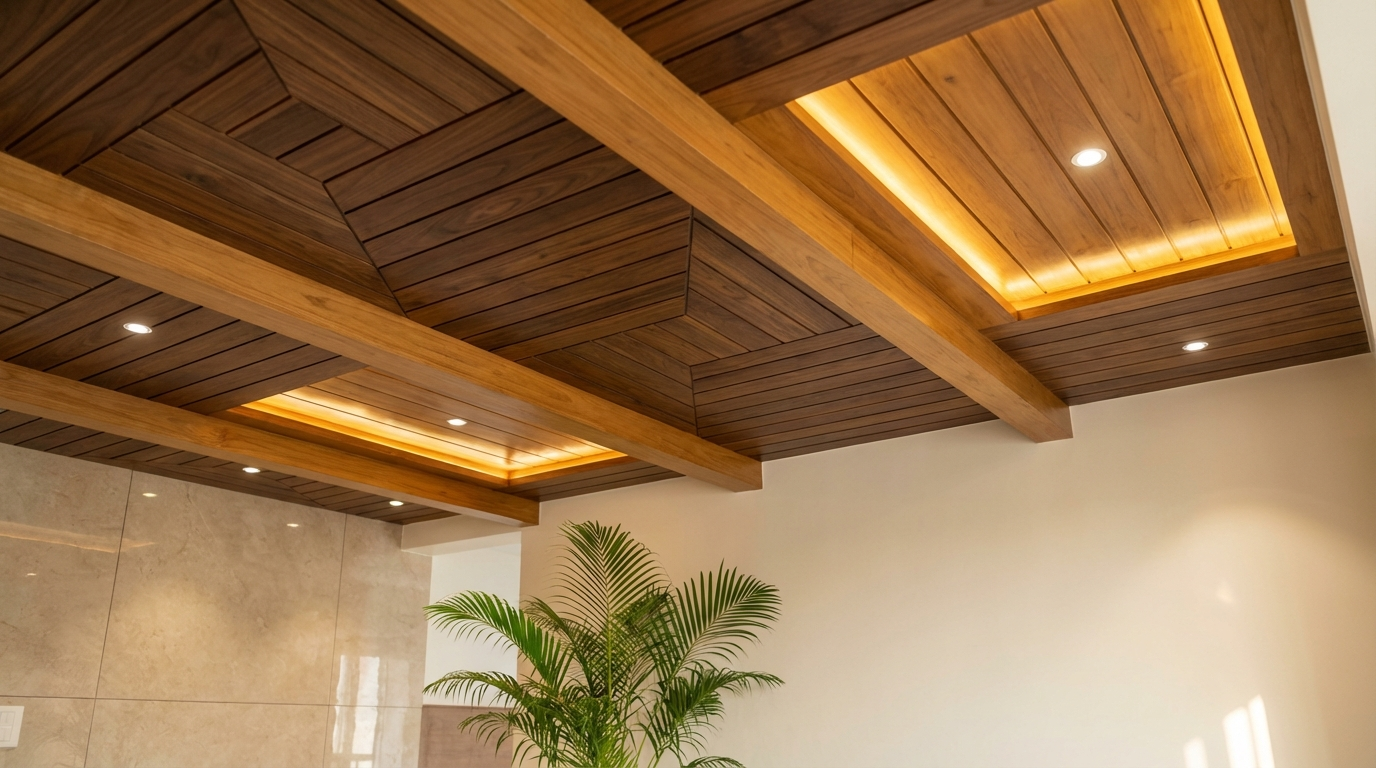
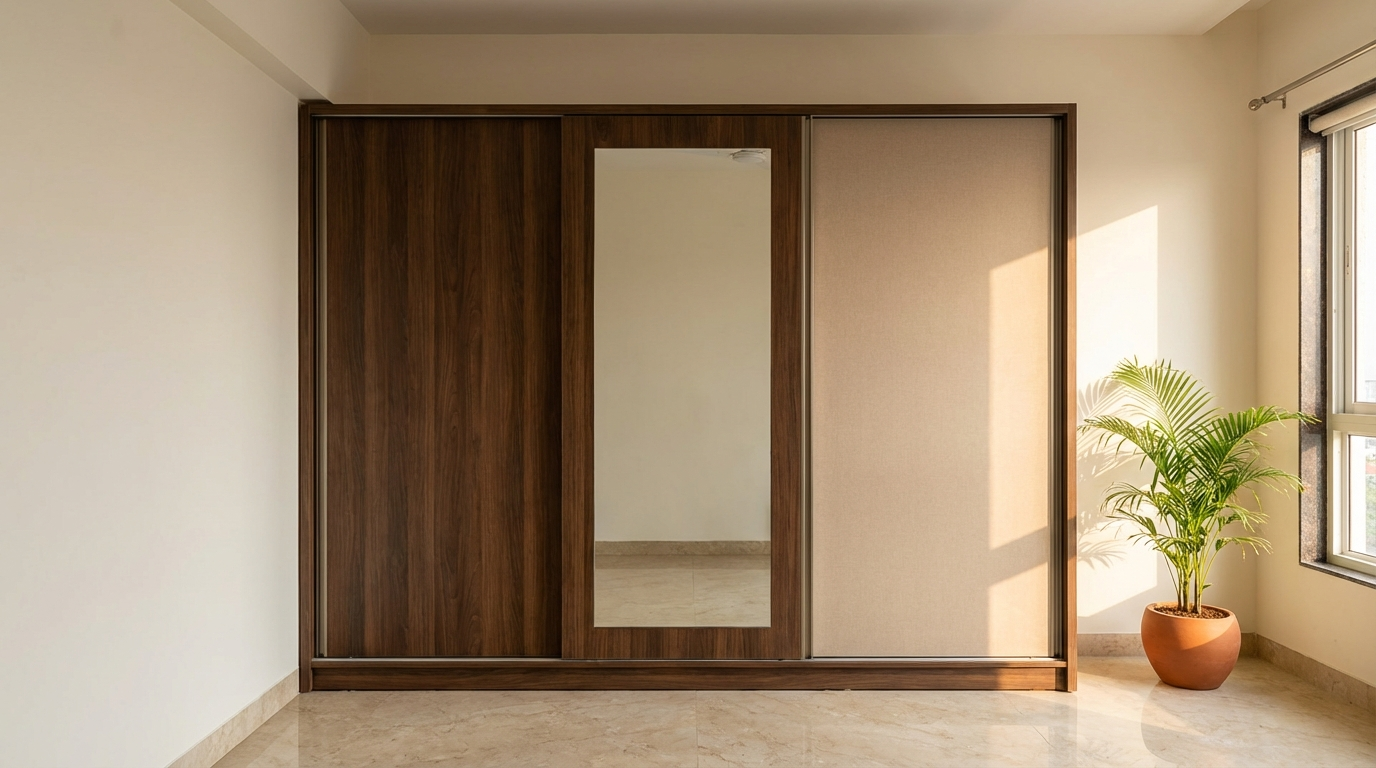
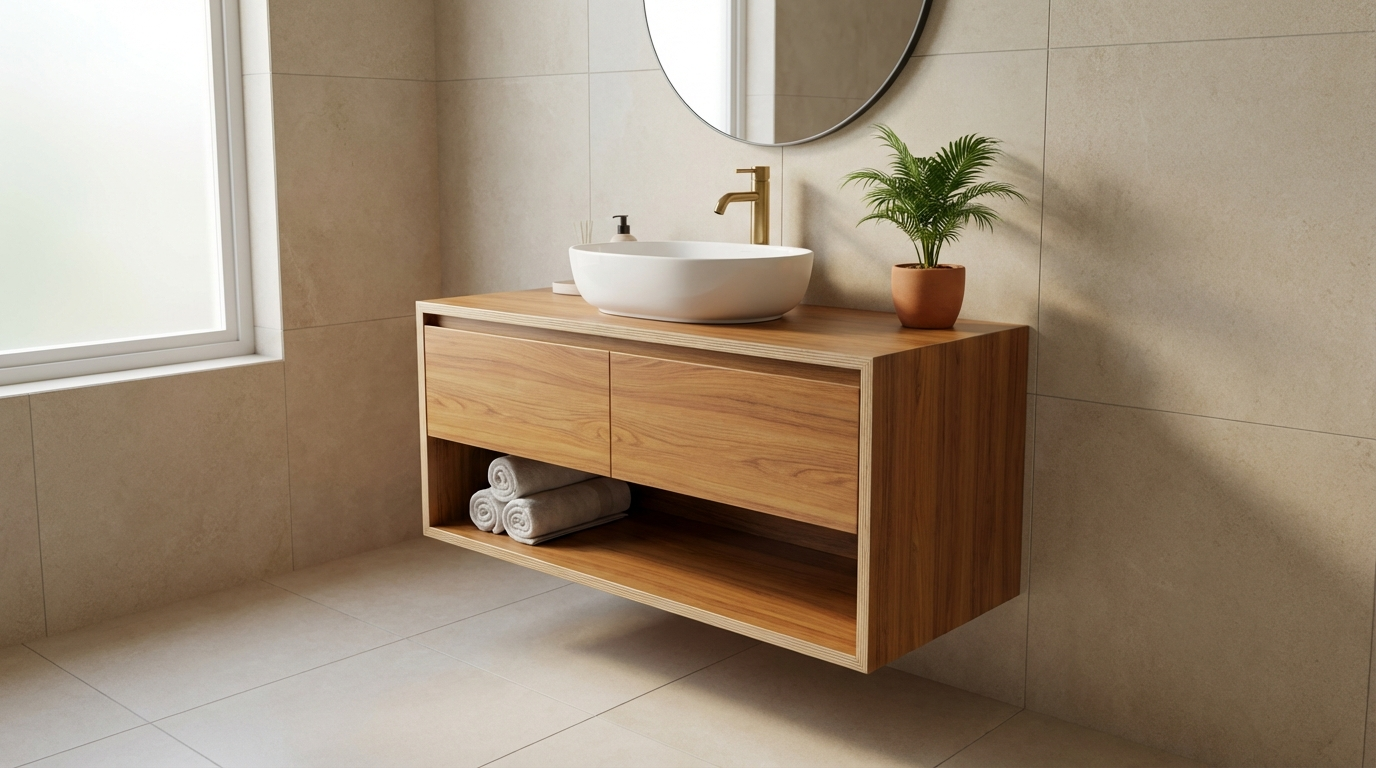
Interior Design Trends 2026: Top 15 Ideas for Modern Indian Homes
Discover top 15 interior design trends for 2026—colors, materials, furniture & layouts. Expert predictions for modern Indian home interiors.
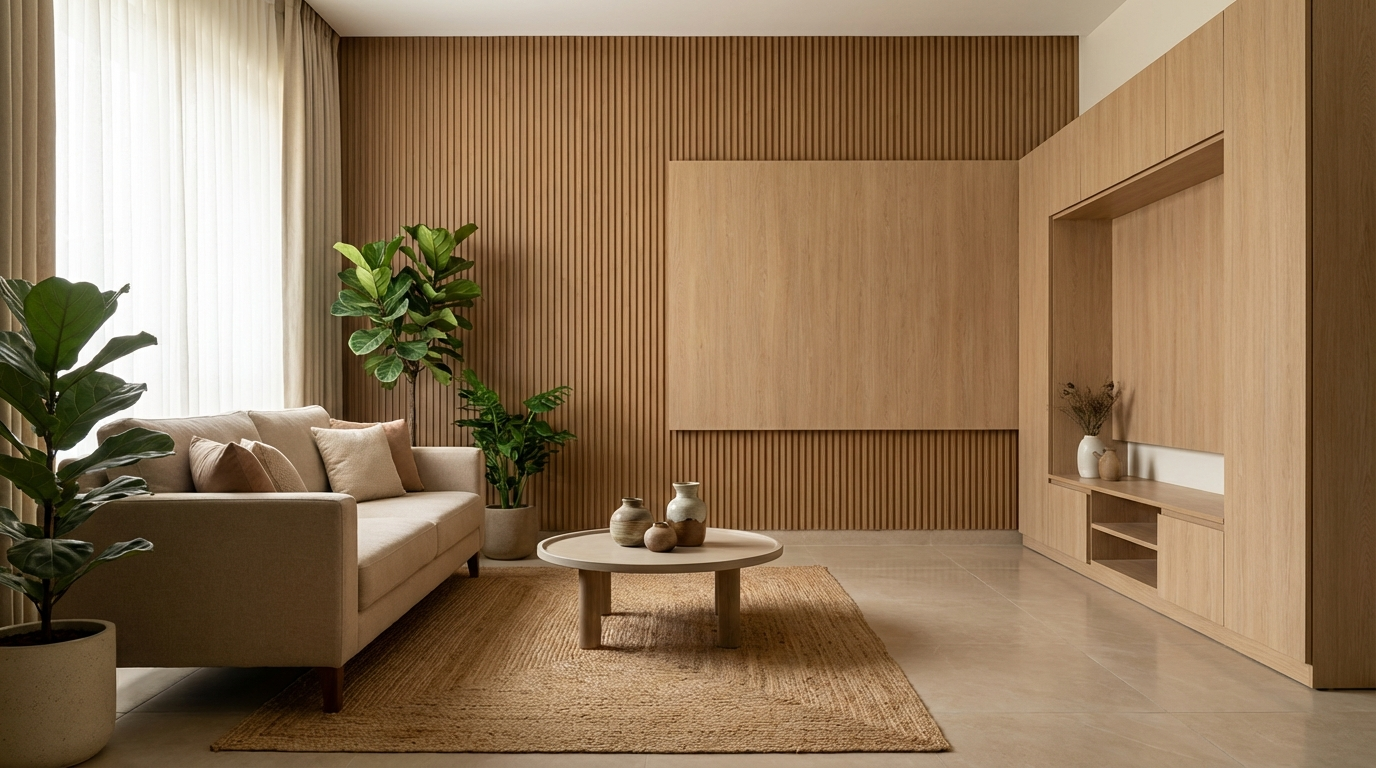
The Quick Answer: What's Actually Trending in Indian Homes This Year
Interior design trends for 2026 in India center on homes that feel lived in and authentic, not styled for a photoshoot — with a strong emphasis on warm colors, sustainable materials, smart technology, and nature-inspired elements.
Short version: Smart homes, earthy colors, biophilic design, curved furniture, sustainable materials, and statement lighting are the top interior trends right now. Forget the all-grey everything from five years ago. Terracotta, olive green, warm beige, clay brown, plum, and muted indigo will be the top trending interior colors. The general mood? People want their homes to feel like them—not like everyone else's Instagram feed.
This is right for you if:
- You're renovating or building a new flat and want something that looks fresh but won't feel dated in 3 years
- You want a home that enhances daily living, emotional well-being, and long-term value
- Budget isn't unlimited but you want acha quality finishes that feel expensive
- You live in a humid climate like Mumbai, Chennai or Kolkata and need designs that actually work here—not just look good on Pinterest
Skip this if:
- You're doing a quick makeover only—these are bigger design philosophy shifts, not weekend DIY projects
Bottom line: Spaces that are designed to reflect how we actually live today—and look lived-in, rather than overly curated are what 2026 is all about.
What These Trends Actually Mean for Your Home
Interior design trends are shifts in preferences for colors, materials, furniture styles, layouts and finishes that become widely adopted across homes in a given period. Warm neutrals, minimal maximalism, arches, earthy textures, and multipurpose rooms have all gained popularity over the last year—and they're evolving further in 2026.
Most people think trends are just about what color to paint your walls. Actually, no. The way we live has shifted, and in 2026, interiors are responding in kind. Design isn't chasing shock value or rigid aesthetics anymore; it's trading surface-level style for spaces that actually support how we want to live.
Here's what that means practically: Softer forms, layered materials, and rooms that feel collected rather than curated are setting the tone. There's a subtle pull toward familiarity and warmth—not the sterile showroom look. Texture matters more than ever. And if something earns a spot in your home, it should be because it resonates with you, not because some interior magazine said so.
A new wave of trends emerges in 2026, driven by emotional design, artisan resurgence, climate consciousness, and next-generation technology. That's a lot happening at once. But don't panic—I'll break down the 15 that matter most.
Why These Trends Matter for Indian Homes Specifically
These tones provide a premium and comforting atmosphere, especially suited for Indian lighting conditions and interior styling. This isn't random. The warm earthy palette everyone's excited about? It makes sense for us because our natural light is already warm and golden, especially in North India during winter months.
Now here's the thing about climate. In places like Chennai or Mumbai—where humidity hits 70-90% during monsoon—you can't just blindly follow western trends. In the context of India's increasing temperatures and urban heat islands, biophilic design minimizes thermal load, cooling interiors naturally without wasteful energy usage. That matters a lot more here than it does in, say, London.
In the context of Indian homes, where space constraints are common, biophilic design offers a solution by creating a sense of openness and tranquility. Moreover, integrating natural materials like wood, stone, and bamboo not only adds texture and warmth to interiors but also supports sustainability.
Different cities have different challenges. The Thane-Navi Mumbai side gets humid differently than Pune. Bengaluru's mild climate means you can get away with things that would fail spectacularly in coastal Kerala. Ironically, the sustainable cooling of the future draws largely from vernacular Indian architecture. From jalis in Rajasthan to courtyard houses in Tamil Nadu, our forefathers knew how to construct in harmony with nature.
For property investors, smart homes demand higher rental yield and resale value, especially in major cities like Mumbai, Pune, Hyderabad, Delhi NCR, and Bangalore. So this isn't just about aesthetics—there's real value here if you're thinking long-term.
The 15 Design Trends You Need to Know
1. Warm Earthy Color Palettes
Terracotta, dark green, chocolate brown, ruddy reds, darker woods—these are all popular colors these days. The all-grey interiors from the 2015-2020 era? Done. All-grey interiors are being phased out in favor of these warmer tones.
I've seen this shift happen in real time. A client in Andheri last year wanted grey everything—grey cabinets, grey walls, grey sofa. I talked her into terracotta accents on one feature wall. Six months later? She repainted two more rooms warm beige. "The grey felt cold," she said. Friendly beige tones have already been supplanting grey and crisp white. Interior design color trends 2026 go deeper into warm neutrals with creamy and caramel shades. They deliver more personality than white yet remain neutral enough to complement existing furniture and artwork.
2. Biophilic Design (Nature Inside Your Home)
Biophilic design is the integration of natural elements into indoor spaces to create connection with nature. Search data shows a surge in demand for natural home decor, plant walls, eco-friendly interiors, and airy spaces. Homebuyers increasingly want homes that feel refreshing, calming, and wellness-driven.
Simple changes can make a significant impact. Incorporating indoor plants, using natural fabrics for upholstery, and ensuring adequate natural light are effective strategies. You don't need a full renovation. But if you're doing one anyway—the integration of green elements such as vertical gardens, internal courtyards, shaded balconies, and porous façades can reduce indoor temperatures by 3-7°C. In Mumbai summers, that's massive.
3. Smart Home Integration
The India smart home market size stands at USD 5.20 billion in 2025 and is forecast to reach USD 19.31 billion in 2030. Over the past 18 months, seamless 5G availability across 779 districts, rooftop-solar incentives under PM Surya Ghar, and the arrival of the cross-vendor Matter protocol have converged to transform household automation from a discretionary upgrade into a mainstream expectation.
Home automation, AI-powered appliances, and smart lighting are becoming standard in modern luxury and premium homes. Even mid-range projects now come with basic smart wiring. The days when this was "rich people stuff" are ending.
4. Curved and Organic Furniture
Sharp-edged modern furniture is making way for softer, rounded, and organic shapes. These shapes instantly make homes look modern, soft, inviting, and high end, especially in open-plan living rooms and luxury apartments.
In 2026, oversized and voluptuous seating will dominate interior design. While the main focus remains on comfort, large sofas and chairs turn into more than just functional pieces—they also become sculptural elements within a room.
5. Sustainable and Eco-Friendly Materials
Sustainability is unavoidable in 2026. Homeowners like FSC-certified wood, clay-based paints, bamboo plywood, hemp textiles, recycled terrazzo, and bio-resins.
Indian buyers are choosing earth-friendly interiors without compromising luxury. This matters for plywood choices too—FSC-certified material costs maybe 10-15% more but speaks to a growing segment of buyers. If you're an architect or interior designer reading this, note that down. Our plywood selection guide covers sustainable options in more detail.
6. Statement Lighting
Instead of simple lights, 2026 will be all about decorative, sculptural lighting. Lighting now defines both mood and aesthetic value, making it a major interior upgrade that transforms any space without construction.
More flexible than ever, modular lighting systems comprise a range of individual components that seamlessly interlock inside dynamic configurations. Overhead fixtures particularly evolve beyond static shapes. Pieces blend various materials—glass, metal, even fabric—according to arrangement and context. This type of lighting can often switch between direct task illumination, ambient diffusion, or sculptural focal points.
7. Grandmillennial Style (Granny Chic 2.0)
This one surprised me. The biggest trends for 2026 include dopamine décor with mood-boosting colours, grandmillennial style (Granny Chic 2.0)—basically, elements that look like they came from your grandmother's house but styled with modern sensibility.
What's driving their return is a growing desire for homes that feel personal rather than perfect. Freestanding dressers and hutches offer visible storage, patina, and personality, acting almost like functional decor. Designers are reimagining them for modern living. Not everything needs to be sleek and minimalist.
8. Dopamine Décor
2026 celebrates color that brings joy. Dopamine decor creates a positive emotional impact by using bright, mood-boosting colors such as citrus green, sunshine yellow, and vibrant blue.
Most guides won't tell you this, but dopamine décor works best in small doses for most Indian homes. Full rooms in citrus green can feel overwhelming when you have to live in it daily—not just photograph it. Incorporating colored glassware, bright rugs, amusing art, or accent walls is a simple way to explore the trend.
9. Japandi Maximalism
Japandi is the fusion of Japanese minimalism with Scandinavian warmth. Minimal maximalism continues with more restraint, focusing on rich textures, artisan pieces and curated layers rather than clutter.
Diverse cultural inspirations—from Japanese minimalism to Scandinavian simplicity, to nature-inspired design—intertwine to create spaces that favor soft shapes and subtle palettes, where decoration isn't denied but is chosen with care.
10. Climate-Responsive Design
Climate-responsive design, including passive cooling, cross-ventilation, energy-efficient LED lighting, and low-VOC finishes, is becoming more prevalent, particularly in Indian homes.
If I'm being honest, this should have been big years ago. Biophilic design draws upon this wisdom and translates it to contemporary urban life without compromising on comfort or luxury. Developers are bridging technology and tradition in creating climate proof homes. With the heat of summer months breaking records regularly, this move towards nature may be the most progressive solution in our hands.
11. Acoustic Design Elements
Cities' noise pollution has elevated the importance of acoustic interiors. Textured panels, cork tiles, fabric-wrapped walls, slatted wood baffles, upholstered headboards, and acoustic drapes are all becoming popular in homes.
In Mumbai flats where you can hear your neighbor's TV through the wall, this matters. A lot. Acoustic solutions used to be only for recording studios and corporate offices. Now they're making their way into living rooms and bedrooms.
12. Jewel Tones and Rich Colors
For 2026, color palettes shift into richer, moodier territory. Saturated maroons and burgundies and other jewel tones are poised to make a big comeback, and instead of stark neutrals, olive-gray hues will lend a grounding feel that's earthy and soft.
Neutrals will always be in our back pocket, but deeper hues are feeling more luxurious and timeless—especially in formal spaces. Colors like cranberry red, sapphire blue, and emerald green ground a room and pair beautifully with layered materials like stone, wood, and brass.
13. Bedroom Lounges and Suite-Style Bedrooms
These lounge zones are spaces for reading, thinking, and lingering, turning bedrooms into places you actually enjoy—not just snooze through. "It's quite common for primary bedrooms to have attached bathrooms, but the new 'boutique hotel-inspired' trend is to create lounges within them."
This works only if you have space—obviously. In a 2BHK, forget it. But if you're building a 3BHK or villa, consider carving out a reading corner in the master bedroom. It changes how you use the space.
14. Open-Plan Living with Smart Zoning
Open-plan living is not restricted to luxury apartments. Even independent houses now embrace open layouts connecting the living, dining, and kitchen area. This trend enhances natural light, improves ventilation and makes homes feel bigger.
In case of Indian house interior design, open reconstruction of houses is often supported by smart zoning techniques. Wooden partitions, glass dividers, area rugs and ceiling treatments help define spaces but without obstructing movement and light. These solutions work great especially for families that appreciate both being together and privacy.
15. Artisan and Handcrafted Elements
Deliberate imperfections, handmade irregularities—the coveted surfaces are those that improve with use rather than degrade. Unlike the polished "eco-chic" of the early 2020s, which still leaned on mass production, interior design trends 2026 obsess over one-off pieces with traceable origins. The focus is also on hyper-local craft.
This is where Indian craftsmanship has a real advantage. Handwoven textiles from Rajasthan, brass work from Moradabad, terracotta from Bengal—all of this fits perfectly with what global trends are asking for. Support local karigars while staying on trend? Win-win.
Trend Comparison: What's In vs What's Out
| What's Fading | What's Replacing It | Why It Makes Sense for India |
|---|---|---|
| All-grey interiors | Warm earthy palettes (terracotta, olive, beige) | Works better with our warm natural light |
| Stark minimalism | Warm minimalism with texture | Feels lived-in, not empty |
| Sharp-edged furniture | Curved, organic shapes | Safer with kids around, looks inviting |
| Artificial materials everywhere | Natural wood, stone, bamboo | Performs better in humidity |
| Basic tube lights | Statement sculptural lighting | LED prices have dropped; no excuse for boring lights |
| Separate closed rooms | Open layouts with smart zoning | Makes compact Indian flats feel larger |
| Cookie-cutter designs | Personalized, artisan pieces | India has incredible local craft traditions |
| Manual everything | Smart home basics (lighting, security) | Entry costs are now affordable |
Is smart home technology actually worth it for Indian homes?
By connectivity technology, Wi-Fi commanded 64.34% of the India smart home market size in 2024. By application, Home Security and Safety accounted for a 45.67% share of the India smart home market size in 2024. So most people start with security cameras and smart locks—that makes sense. Retrofit security cameras at INR 2,299 cut entry barriers, then pave upsell paths into connected thermostats and motorized blinds. You don't need to do everything at once. Start with security, add lighting, expand from there.
Price Reality Check: What These Trends Actually Cost (2026 Market)
Here's what I tell my clients: trends are free to know about, but executing them costs money. Let's be realistic about budget.
Low-cost trend adoption (under ₹50,000):
- Earthy wall paint (one accent wall: ₹3,000-8,000)
- Indoor plants and planters (₹5,000-15,000)
- Textured curtains and cushions (₹10,000-25,000)
- Statement pendant light (₹8,000-20,000)
- Basic smart bulbs and plug (₹3,000-7,000)
Medium investment (₹50,000 - ₹3 lakhs):
- Curved sofa or accent chair (₹45,000 - ₹1.5 lakhs)
- Wooden partition or slatted screen (₹25,000 - ₹60,000)
- Artisanal furniture piece (₹30,000 - ₹1 lakh)
- Smart home starter kit—lights, security, hub (₹40,000 - ₹80,000)
- Vertical garden installation (₹50,000 - ₹1.5 lakhs)
Higher investment (₹3 lakhs+):
- Full biophilic design overhaul with green walls
- Complete smart home integration
- Custom sustainable furniture
- Acoustic treatment for entire room
What actually affects your final bill:
- City you're in (Mumbai/Delhi costs 20-40% more than tier-2 cities for labor)
- Quality of execution (a ₹20,000 vertical garden can look cheap or premium based on installation)
- Whether you're retrofitting or building new (new construction is easier)
How to Choose What's Right for Your Home
Step 1: Identify your climate constraints first. Living in humid Chennai? Avoid materials that swell or warp. In dry Jaipur? You have more flexibility with wood choices.
Step 2: Be honest about maintenance. Vertical gardens look amazing but need watering. If you're never home, maybe start with low-maintenance plants instead.
Step 3: Calculate your real budget—including labor, not just materials. Most people underestimate installation costs by 30-40%.
Step 4: Prioritize trends that solve actual problems in your life. Noise from outside? Acoustic panels. High electricity bills? Smart thermostats. Pick function first.
Step 5: Don't try everything at once. Pick 2-3 trends that resonate, execute them well.
Decision Matrix:
| Your Situation | Recommended Focus | Why |
|---|---|---|
| New flat, tight budget | Paint colors + statement lighting | Maximum visual impact, minimum spend |
| Renovating 10+ year old flat | Open layout + smart basics | Addresses dated layout issues |
| Building new home | Biophilic + climate-responsive | Best integrated during construction |
| Rental property | Portable decor (plants, textiles, lighting) | Can take it with you |
| Working from home | Acoustic design + smart lighting | Directly improves daily life |
| Family with kids | Curved furniture + durable materials | Safety + practicality |
Red flags to walk away from:
- Designer pushing expensive trends that don't match your lifestyle
- Materials that perform poorly in your climate—no matter how trendy
- "Luxury" finishes that will look dated in 2 years
- Complex smart home setups when you struggle to use basic apps
Common Mistakes People Make with 2026 Trends
1. Going all-in on a single trend. I've seen this happen when someone sees one beautiful biophilic home on Instagram and wants to replicate it exactly. The original home was probably 3000 sq ft with perfect light. Yours might be a 1200 sq ft flat with a north-facing living room. Context matters.
2. Ignoring maintenance requirements. That vertical garden everyone wants? Without proper irrigation and care, it becomes a vertical embarrassment in about six months. A builder in Worli did this for his show flat. Looked stunning at launch. Dead plants everywhere by the third site visit. Be realistic.
3. Choosing trendy over practical. Curved sofas are gorgeous. But if your living room is 12x14 feet, that sweeping curve will just eat up floor space and make movement awkward. This one really frustrates me—aesthetics shouldn't trump livability.
4. Skipping the lighting plan. Statement lighting can't fix terrible overall lighting design. Get the basics right first—task lighting, ambient lighting, layers. Then add the sculptural piece. Not the other way around.
5. Mixing too many trends. Dopamine décor + grandmillennial + Japandi + smart everything = visual chaos. Pick a direction. Commit.
6. Forgetting about Vastu concerns. Modern design blends Vastu principles with contemporary layouts to create balanced, well-lit, and harmonious spaces. Whether you personally believe in Vastu or not, if you're ever going to sell or rent your place, many buyers care. Don't create design choices that will limit your market.
7. Buying cheap "artisanal" pieces. Real handcrafted work costs money. That "handmade terracotta" piece for ₹500? It's factory-made, just made to look imperfect. Pay proper rates to actual craftspeople or don't bother.
8. Installing smart tech without proper wiring. Retrofitting smart switches on old electrical work is asking for trouble. I've seen this go wrong in older buildings—flickering, connection issues, fire hazards. Get an electrician to assess first.
9. Copying western trends without climate adaptation. What works in Copenhagen or California may fail miserably in coastal India. Always ask: will this hold up in 85% humidity?
Quality Checks You Can Do Yourself
For sustainable/eco-friendly materials:
- Ask for FSC certification for wood products—legitimate sellers will have papers
- Low-VOC paints should mention it clearly on the can—check ISI marks
- Bamboo products should feel solid, not hollow and light
- "Recycled" materials should come with some documentation of source
Questions to ask your interior designer:
- "What's the maintenance requirement for this?" (If they can't answer specifically, they haven't thought it through)
- "How does this perform in monsoon humidity?"
- "Can you show me a similar installation that's been in place for 2+ years?"
- "What's the realistic budget including installation?"
- "Will this work with my existing furniture/AC placement/electrical points?"
Simple tests:
- For furniture: Sit on it. Actually sit, don't just look. Does it feel comfortable after 20 minutes?
- For lighting: See samples at different times of day. Showroom lighting lies.
- For materials: Ask for a sample piece, keep it in your home for a week. See how it behaves.
- For smart devices: Check if they work with your existing router and phone. Compatibility issues are common.
Warning signs:
- Vendor can't explain material origin or certifications
- Price seems too good to be true for "sustainable" or "artisanal" claims
- No warranty or return policy on furniture
- Designer dismisses climate concerns as "not important"
- Everyone on the project is pushing the most expensive option—every single time
Here's a trick most dealers don't like: Ask to see their failures. Seriously. Any honest designer or vendor has had things go wrong. If they claim 100% success rate, they're either lying or too new to have enough experience.
Making Trends Last: Longevity Reality
In my experience, well-executed trend implementations last about 8-12 years before feeling noticeably dated. The key word is "well-executed." Cheap shortcuts show their age in 3-4 years.
What affects longevity:
- Material quality: That ₹8,000 curved accent chair will look sad in 2 years. The ₹45,000 one with solid wood frame? Could last 15 years.
- Climate damage: Humidity, heat cycles, monsoon moisture—all accelerate wear in India
- Usage patterns: A statement sofa in a joint family with kids will age faster than one used by a couple
- Maintenance consistency: Vertical gardens die without care. Smart systems need updates. Everything needs cleaning.
Signs of wear to watch for:
- Natural materials fading unevenly (especially near windows)
- Fabric pilling on textured upholstery
- Smart devices becoming incompatible with new phone software
- Plant installations developing pest problems or bare spots
When to consider updating:
- Tech has moved on significantly (smart home standards change every 5-6 years)
- Your lifestyle has changed (kids grew up, started working from home, etc.)
- Maintenance is becoming a constant battle
- You're embarrassed to host guests in the space
Alternatives Worth Considering
If full biophilic design is too ambitious: Start with just improving natural light. Sheer curtains, lighter wall colors, strategic mirror placement. Gets you 60% of the benefit at 20% of the cost.
If smart home integration feels overwhelming: Just do smart lighting. It's the easiest entry point, most affordable, and you'll actually use it daily. Our HDHMR and plywood guides cover material choices for smart-home-ready furniture.
If custom artisanal furniture is out of budget: Mix one quality handcrafted piece with standard furniture. One statement item elevates everything around it.
If curved furniture doesn't fit your space: Look at organic-shaped decor items instead—round mirrors, curved vases, arched shelving. Same visual language, smaller footprint.
FAQs
Is it true that minimalism is completely dead in 2026?
Not exactly dead—evolved. Stark minimalism, which dominated the 2010s, takes another step back to leave room for comfort and sensory experience. It's more like warm minimalism now. You can still have clean lines and uncluttered spaces, but they should feel inviting, not sterile. The "hospital waiting room" aesthetic that passed for minimalist design in 2018? That's done. Add texture, add warmth, add soul—but you don't need to fill every surface with stuff.
What if I live in a humid coastal city like Mumbai or Chennai—do these trends still work?
In the context of India's increasing temperatures and urban heat islands, biophilic design minimizes thermal load, cooling interiors naturally. Most of these trends actually work better in humid climates than the previous generation of designs. Earthy colors hide humidity stains better than stark white. Natural materials like treated teak handle moisture better than particleboard. The key is choosing the right variant—marine-grade plywood for any furniture in bathrooms or near windows, for instance. Our moisture-resistant material guide goes deeper into this.
How much should I realistically budget for a 2BHK interior following these trends?
For a basic-to-mid-range execution in a metro city, expect ₹8-15 lakhs all-in for a 2BHK. That gets you decent furniture, a few statement pieces, smart lighting, quality paint, and good execution. Premium execution with top-grade materials and comprehensive smart home integration? ₹25-40 lakhs. Budget execution where you pick just 2-3 affordable trends? ₹4-6 lakhs. The biggest variable is labor cost—which varies hugely between cities and contractors.
Is it true that open floor plans don't work for Indian families?
Common belief: Open kitchens don't suit Indian cooking because of tadka smells. Reality: This trend enhances natural light, improves ventilation and makes homes feel bigger. In case of Indian house interior design, open reconstruction is often supported by smart zoning techniques. Wooden partitions, glass dividers, area rugs and ceiling treatments help define spaces. The solution isn't giving up open layouts—it's installing proper ventilation and maybe a glass partition between kitchen and living that can close during heavy cooking. Plenty of Indian families have made this work beautifully.
What if my carpenter doesn't know about these trends?
Most local carpenters are craftsmen, not designers. They execute what you specify. The burden of design decisions is on you and your architect/interior designer. Show them reference images, give them detailed drawings, be specific about curves and finishes. Don't expect a mistri who's been making straight-edged furniture for 30 years to automatically know how to create a curved cabinet. Either hire someone with that specific experience or be prepared for a learning curve (pun intended).
Is it worth investing in smart home technology if I live in a rented apartment?
Partially. Retrofit security cameras at INR 2,299 cut entry barriers. Smart bulbs, plugs, and portable speakers—all of this moves with you. Avoid anything that requires permanent wiring changes unless your landlord agrees and you'll stay long-term. Smart lights, smart plugs, and wireless security cameras are completely portable. Save the built-in stuff for a place you own.
How do I convince my family members who want traditional designs?
Here's the thing—these trends actually incorporate traditional Indian elements. Biophilic design resonates deeply with India's cultural ethos. Traditional architectural elements like courtyards, open spaces, and natural ventilation find new life in the context of biophilic design. Frame it as "modern traditional" rather than "throwing away our heritage." The earthy colors match traditional Indian aesthetics. Natural materials like wood and stone have always been part of Indian homes. Artisanal craftsmanship celebrates Indian karigars. You're not abandoning tradition—you're updating it thoughtfully.
What's the one trend that will definitely feel dated soonest?
Unpopular opinion, but extreme dopamine décor. Those all-pink rooms and neon-lime accent walls you're seeing on Instagram? Too specific, too dependent on being "of the moment." In 5 years, they'll scream 2024-2026 the way rose gold screamed 2016-2018. Stick to dopamine in accessories and accent pieces that are easy to swap out, not in permanent fixtures.
Are vertical gardens really practical or just Instagram bait?
Both, honestly. They look stunning. They also need: consistent watering (automated irrigation helps), good light, pest management, and periodic replanting. I've seen them work brilliantly in well-maintained premium buildings with dedicated housekeeping. I've seen them become eyesores in buildings where nobody maintained them after the initial installation. If you're serious, budget for maintenance—about ₹2,000-5,000 per month for a medium-sized installation. Or go with preserved moss walls that need zero maintenance.
Is Vastu compatibility a real concern with these new trends?
Modern design blends Vastu principles with contemporary layouts to create balanced, well-lit, and harmonious spaces. Open floor plans can actually improve Vastu compliance by allowing better light and airflow from favorable directions. The key conflicts come with: kitchen placement in open layouts, bedroom orientation, and entrance positioning. Most of these can be resolved with good planning. A competent architect can usually satisfy both aesthetic trends and Vastu requirements—it just takes more thought upfront.
What if I want these trends but have a really small flat?
One of the greatest problems in Indian homes is storage. With the evolution of living styles, homeowners need smart storage that would not cut on the aesthetics. In-built wardrobes, modular kitchen cabinets, under the stairs storage space, and wall mounted units are emerging as the new standards. Designers are dedicating more attention to vertical space. The outcome is a home which is polished and tidy irrespective of the size. Small flats can actually benefit more from these trends—warm colors make tight spaces feel cozy rather than cramped, curved furniture softens hard corners, mirrors and biophilic elements create depth. The trick is scaling appropriately. One curved accent chair, not a massive sectional. A few well-placed plants, not a jungle.
How do I prioritize if I can only pick 3 trends?
My recommendation for most Indian homes: 1) Warm earthy colors (biggest impact for lowest cost), 2) Improved natural light and ventilation (foundational for everything else), 3) One category of smart home tech you'll actually use daily (usually lighting). These three form a solid foundation. Add others as budget allows. The worst thing you can do is try everything halfway.
Will these trends affect my property resale value?
Buyers in 2026 are choosing homes that enhance daily living, emotional well-being, and long-term value — and interior design is becoming a key decision factor in property purchase. For property investors, smart homes demand higher rental yield and resale value, especially in major cities like Mumbai, Pune, Hyderabad, Delhi NCR, and Bangalore. Thoughtfully executed contemporary design generally adds value. Extreme personal choices can reduce your buyer pool. When in doubt, stick with trends that appeal broadly—warm neutrals, good lighting, smart basics—rather than highly specific aesthetics that only suit particular tastes.
That's the practical overview for 2026. Trends will keep evolving, but the core shift—toward warmth, authenticity, sustainability, and technology that actually helps—feels like more than a passing phase to me. Start with what solves real problems in your daily life, and you probably won't regret it.
And whatever you do, don't let your carpenter talk you out of proper edge-banding on that plywood furniture. Humid Indian weather doesn't forgive shortcuts.
Disclaimer: This content is provided for general informational purposes based on industry practices and publicly available information. Product specifications, standards, prices, and availability may vary by manufacturer, region, and time. Readers should independently verify details with manufacturers, dealers, or qualified professionals before making purchase or construction decisions.Want Plywood Suggestions?
Share a few details and a Sainik 710 specialist will suggest suitable brands and connect you to responsive dealers.