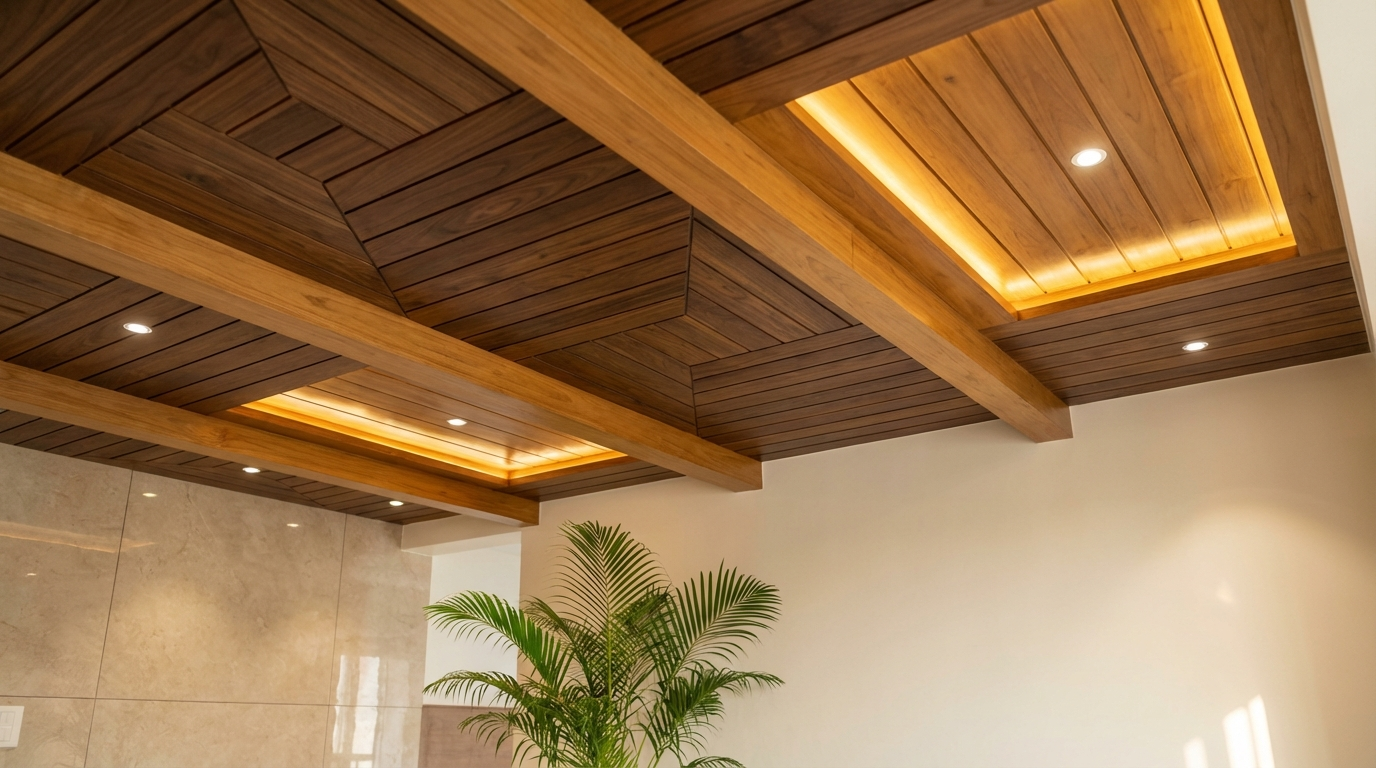
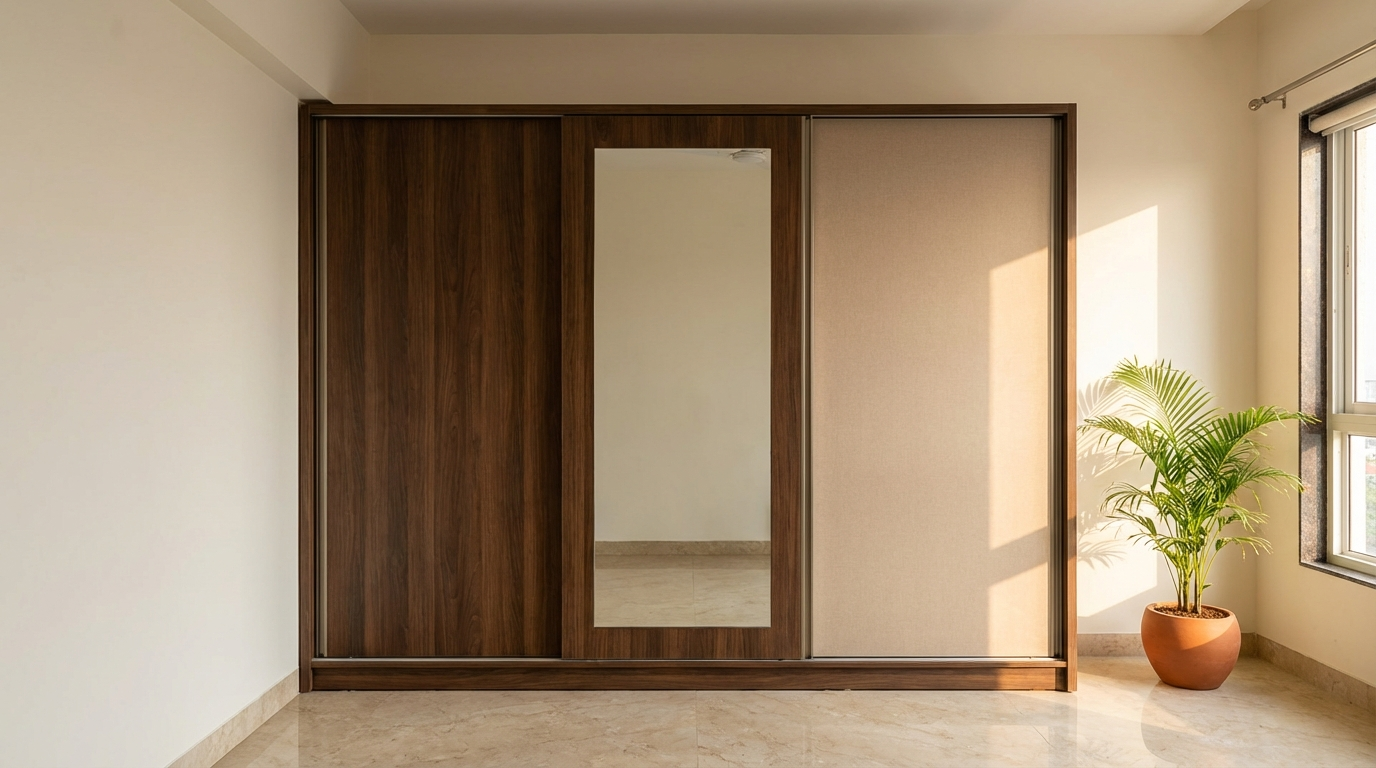
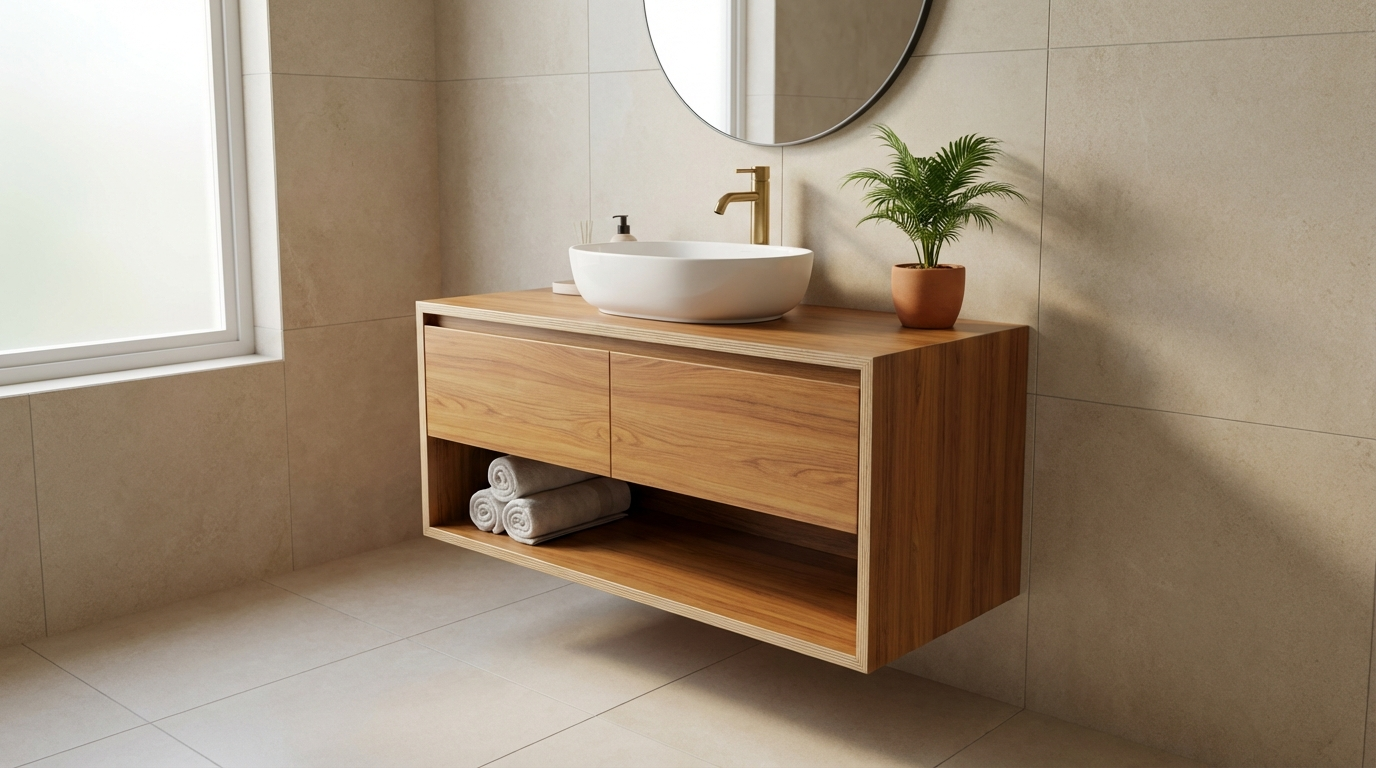
Door Frame Material Guide: Solid Wood vs Engineered Wood vs WPC (Cost, Durability & Best Choice)
Choose the right door frame material with a clear comparison of solid wood, engineered wood and WPC—durability, cost factors and moisture performance.
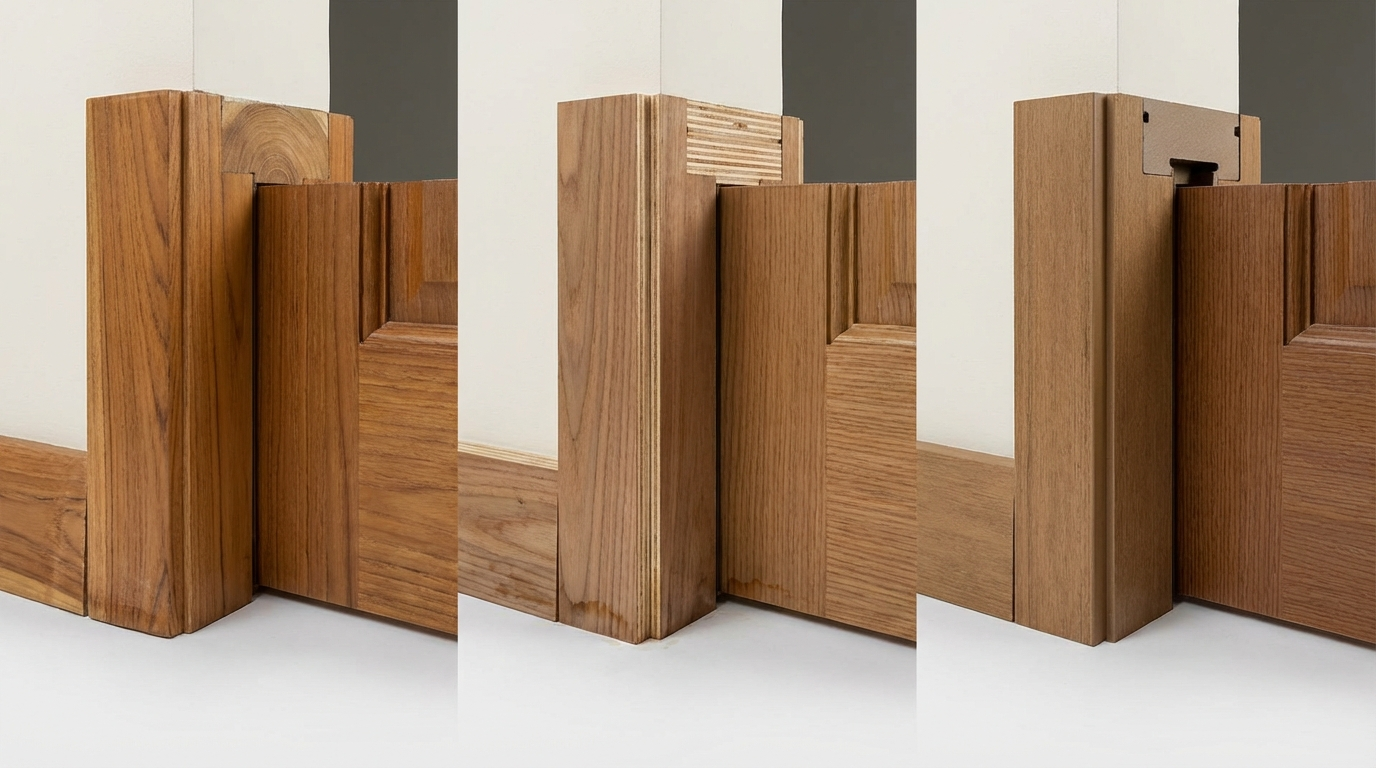
Quick Decision Summary
Engineered wood strikes the best balance for most Indian homes, offering solid durability at lower cost than teak.
If you're in a hurry, go for engineered wood finger-jointed profiles for interior doors in humid cities like Mumbai or Chennai—they resist warping better than solid pine while costing 40-60% less than teak. WPC excels in bathrooms or coastal areas due to zero termite risk and moisture immunity, but it feels less premium. Solid wood suits dry interiors or luxury aesthetics if budget allows and maintenance is feasible. Always prioritize BWR-grade glue in engineered options and proper installation to avoid common failures.
- Choose solid wood if: Dry climate, high-end finish desired, long-term investment okay (e.g., villas in Bangalore interiors).
- Choose engineered wood if: Budget-conscious, moderate humidity, need for quick install (apartments in Delhi-NCR or Pune).
- Choose WPC if: Wet zones like bathrooms, kitchens, coastal regions (Mumbai suburbs, Kerala homes), zero maintenance.
- Avoid solid wood if: High moisture exposure or termite-prone soil without heavy treatment.
- Avoid WPC if: Traditional wood look needed or heavy-duty load-bearing required.
- Avoid cheap engineered if: No calibration or poor glue—leads to delamination in monsoons.
What This Actually Means (Grade, Construction, and Use)
Door frames form the structural backbone for doors, typically 2-3 inches thick and sized to match door heights of 7-8 feet in Indian homes. Solid wood frames use natural timber planks like teak, salwood, or sheesham, sawn from logs with minimal processing—grains run continuously for strength but prone to natural defects like knots. These demand skilled carpentry for joints (mortise-tenon preferred over nails) and suit flush doors or panel doors in living rooms.
Engineered wood frames, often finger-jointed or laminated veneer lumber (LVL), bond smaller wood pieces with adhesives like PF (phenol formaldehyde) resins. Pine or rubberwood cores with hardwood faces provide uniform density (450-650 kg/m³), calibrated thickness (25-40mm), and straightness ideal for CNC cutting. Grades mimic plywood: MR for dry areas, BWR for humid, rarely BWP for extreme wet. Common in modular setups, they hold screws better post-seasoning and pair with veneered shutters.
WPC (wood-plastic composite) frames are extruded from 60% wood powder, PVC/PE plastic, and additives—no glue lines, hollow or solid profiles (30-50mm wide). UV-stabilized for outdoors, they mimic wood grain via embossing but flex under heavy impact. Best for lightweight flush doors in moisture-heavy spots; not for load-bearing walls. Construction-wise, they slot together with PVC adhesives, needing no painting but optional lamination.
In practice, solid wood excels in screw-holding (up to 50kg per screw in teak) for heavy hinges, engineered offers 70% of that with consistency, while WPC relies on plastic anchors (20-30kg limit). Use solid for carved designs, engineered for plain/modern, WPC for utilitarian. Thickness matters: 40mm for main doors, 30mm for bedrooms—always match door weight to prevent sagging.
Real-world use varies: In apartments, engineered reduces weight for easier handling; villas favor solid for resale value. Construction quality hinges on kiln-drying (solid/engineered to 10-12% moisture) versus WPC's factory moisture-proofing.
Price Range and Cost Drivers
Typical market ranges for door frames start at ₹150-250 per running foot for basic engineered wood (30mm thick pine finger-joint), ₹300-500 for mid-grade BWR engineered, ₹600-1,200 for solid teak/sal (40mm), and ₹200-400 for WPC profiles. These vary by city—add 20-30% in metros like Delhi or Mumbai due to logistics, versus 10-15% less in manufacturing hubs like Yamunanagar or Kerala. Per door frame (7ft high, two sides + top: ~20 running feet), expect ₹3,000-5,000 engineered, ₹8,000-15,000 solid, ₹4,000-7,000 WPC.
Key drivers: Thickness (25mm saves 15-20%, 40mm adds 30%), core type (pine cheapest, meranti mid, teak premium), glue/resin (BWR adds ₹50/ft over MR), calibration (machined profiles +20%), face finish (veneer +10-15%). Brand premiums push 20-40% higher for certified options, but bulk buys from wholesalers cut 15%. Installation labor: ₹1,000-2,000 per frame, higher for solid due to custom joints.
For a 3BHK, budget ₹25,000-40,000 engineered (6-8 frames), double for solid. Coastal areas inflate WPC appeal by avoiding treatment costs (₹20-30/ft extra for solid). Negotiate by checking core density—tap for hollow sounds. Varies by batch/region: confirm local rates, factor monsoon surcharges.
Hidden costs: Solid needs termite oiling (₹500/door yearly), engineered edge sealing (₹10/ft), WPC minimal. Long-term: Engineered pays back via low warping callbacks.
Comparison That Actually Helps
This head-to-head breaks down beyond specs, focusing on Indian home realities like 80% humidity spikes and carpenter shortcuts. Solid wood leads in aesthetics but falters in maintenance; engineered balances; WPC wins wet zones.
| Aspect | Solid Wood (Teak/Sal) | Engineered Wood (Finger-Joint) | WPC |
|---|---|---|---|
| Durability (20+ years) | High if treated; warps in humidity | High; uniform, BWR glue resists | Very high; moisture/termite proof |
| Cost per running ft | ₹600-1,200 | ₹200-500 | ₹200-400 |
| Moisture Resistance | Poor-Medium (needs oiling) | Good (BWR grade) | Excellent (plastic matrix) |
| Termite Risk | High without treatment | Low-Medium | Zero |
| Screw Holding | Excellent (50kg+) | Good (30-40kg) | Fair (20kg; use anchors) |
| Weight (per frame) | Heavy (40-60kg) | Medium (25-40kg) | Light (15-25kg) |
| Finish Options | Polish/carve natural | Laminate/veneer | Embossed/laminate |
| Install Speed | Slow (custom joints) | Fast (pre-cut) | Fastest (slot-fit) |
Choose based on room: Living room—engineered for cost; bathroom—WPC. Trade-off: Solid's premium look vs engineered's practicality.
Design Ideas with Material Choices
For Indian homes blending modern and traditional, door frames set the tone. Pair with flush/panel doors, keeping widths 3-4 inches.
- Living Room: Solid teak frame (40mm) with veneer overlay for arched designs; engineered sal for minimalist flush doors (30mm, BWR).
- Bedroom: Engineered pine finger-joint (35mm) laminated white oak—lightweight for sliding doors; add moulding for texture.
- Kitchen: WPC grey profiles (30mm) for modular cabinets adjacency; hollow core saves weight, pair with glass shutters.
- Bathroom: WPC white embossed (40mm solid profile) for steam resistance; slot-in with silicone seal.
- Main Entrance: Solid hardwood (50mm) with brass hinges; engineered LVL for apartments to cut weight.
- Balcony/Outdoor: WPC UV-coated teak finish; avoids swelling in rain.
- Wardrobe Alcove: Engineered blockboard core frames (25mm) routed for hidden hinges.
- Study Nook Partition: Slim WPC (25mm) for open-plan; laminate walnut for warmth.
- Villa Verandah: Solid sal polished natural; 45-degree mitre joints.
- Apartment Lift Lobby: Engineered meranti (40mm) fire-retardant grade.
- Kids Room: WPC playful colors; impact-resistant.
- Guest Room: Engineered veneer (oak/sheesham) for quick flip.
- Pooja Room: Solid neem untreated; spiritual vibe.
- Balcony Divider: Slim engineered (20mm) for slats.
- Modern Flat: WPC matte black frames for flush industrial look.
Dimensions: Frames 75-90mm total depth with plaster; match door 30-35mm thick. Finishes: Polish solid, laminate others. Coastal: WPC only.
India-Specific Reality Check (Moisture, Termites, and Workmanship)
India's monsoons (June-Sept, 80-95% RH) and coastal salt air (Goa, Chennai) swell untreated frames 5-10%, causing cracks. Solid wood absorbs 20% moisture, warping doors off-plumb; engineered BWR limits to 8%; WPC zero swell. Inland dry heat (Rajasthan) favors solid, but termites in soil-heavy Deccan plateau devour untreated sal in 2-3 years—needs copper naphthenate dips.
Storage pitfalls: Site stacks invite rain damage—cover with tarps, elevate 6 inches. Carpenters often skip acclimatization (7 days at site RH), leading to post-install gaps. Contractor practices: Cheap pine solid skips kiln-drying (MC jumps 18%), engineered uses MR glue in humid zones (delams after year 1). WPC fine if not exposed to direct sun pre-install (fades).
Workmanship gaps: Mortise depth wrong in solid (hinge fails), uneven mitres in engineered (gaps show), loose WPC slots (rattles). Ventilation poor in Mumbai high-rises amplifies issues—opt sealed frames. Termite bait stations help but treat soil first. Field reality: 30% frames fail in 5 years due to skips; choose vendors with on-site seasoning.
How to Choose in 5 Steps
- Assess Exposure: Wet (bath/kitchen)—WPC; moderate (bed/living)—engineered BWR; dry/premium—solid treated.
- Check Budget & Load: Under ₹50k total—engineered; heavy doors (solid panel)—solid/ engineered thick.
- Inspect Sample: Tap for voids (dull thuds bad), sand face (smooth calibration), weigh (light = poor density).
- Verify Grade: Ask glue type (BWR stamp), kiln cert for wood, additives list for WPC.
- Test Fit: Mock-up joint strength, screw pull-out on scrap.
Steps prevent 80% regrets. Architect input for load calcs.
Common Buyer Mistakes and How to Avoid
1. Ignoring humidity: Pick MR grade inland—swells in Pune rains. Avoid: Map RH, up-grade to BWR.
2. Skipping treatment: Solid untreated in termite zones. Avoid: Demand CIB-approved oil.
3. Cheap thin profiles: 20mm warps. Avoid: Min 30mm interiors.
4. No acclimatization: Direct install from AC godown. Avoid: 48hr site exposure.
5. Poor jointing: Nail-only solid. Avoid: Mortise-tenon spec.
6. Overlooking screw zones: WPC hinges rip. Avoid: Reinforce with wood inserts.
7. Vendor batch variance: No sample test. Avoid: Buy from one lot.
8. Finish mismatch: Laminate on solid warps base. Avoid: Match material.
9. Logistics neglect: Long-haul warps engineered. Avoid: Local source.
Workmanship & Installation Tips
Cutting: Solid—hand saw mitre box; engineered—CNC for precision; WPC—fine-tooth blade, no splinter. Edge sealing: All need polyurethane (2 coats, ₹10/ft) post-cut to block moisture ingress. Fastening: 3-inch screws pre-drill solid/engineered; WPC plastic plugs. Hinges: Top/bottom 150mm from edge, reinforce engineered with battens if heavy door. Handles: Mid-height, pilot holes.
Storage: Vertical stack, 20% site RH match. Acclimatize 3-7 days. Plumb check post-fix: Shim gaps under 2mm. Monsoon: Silicone around WPC. Common fail: Uneven walls—use packers.
Quality Checks You Can Do Without Lab Tests
Visual: Straight edges (bow <2mm/ meter), uniform color (no patches), no live knots solid. Tap test: Clear ring good density. Moisture pinless meter if available (<14%); else, plastic bag 24hr—no sweat. Screw test: 3 twists firm hold. Questions: "Glue type? Drying proof? Batch MC?" Warnings: Core voids (probe knife), glue bleed, soft spots, fishy WPC smell (poor mix).
Decision Framework Table
| Scenario | Best Material | Thickness/Grade | Why & Trade-off |
|---|---|---|---|
| Coastal Bathroom | WPC | 40mm solid | Zero swell; vs solid rot |
| Urban Apartment Bedroom | Engineered | 30mm BWR | Cost/light; vs WPC premium feel |
| Dry Interior Villa | Solid | 40mm treated | Aesthetics; vs maint cost |
| Budget Modular | Engineered | 25mm MR | Speed; vs durability dip |
| Heavy Main Door | Solid/Engineered | 50mm | Hold; vs weight |
FAQs
Can WPC frames hold heavy wooden doors? WPC works for lightweight flush doors up to 25kg, but heavy carved panels need reinforcement like internal wood strips or switch to engineered thick profiles. In Indian apartments, pair with soft-close hinges and test pull-out strength on-site—plastic expands slightly in heat, so oversize screw holes 10% and use anchors. Long-term, it holds if not overloaded, unlike solid which grips naturally.
Is engineered wood better than solid for termites? Engineered typically resists better due to glues and uniform treatment, but both need site precautions like soil barriers. Solid sal responds to oil dips yearly; engineered's dense core slows infestation. In termite-hotspots like Hyderabad, combine with gel baits—avoid untreated pine either way.
How much does monsoon affect door frames? High humidity causes 5-15% expansion in solid/engineered untreated, misaligning doors. WPC unchanged. Prep by sealing joints pre-monsoon and using breathable paints—carpenters often ignore, leading to callbacks. Ventilate rooms for <70% RH.
What's the ideal thickness for interior door frames? 30-35mm balances strength and ease for bedrooms; 40mm+ for entrances. Thinner saves cost but risks flex—match door weight (plywood flush needs less than panel). Coastal upsize 5mm.
Do I need to polish solid wood frames? Yes, Danish oil or PU polish protects from dust/moisture, enhancing grain over 2-3 coats. Skip in wet areas. Engineered laminates easier; WPC optional emboss.
Can I paint WPC frames? Absolutely, use PVC-compatible paints post-primer—holds 10+ years. Avoid oil-based that crack. Mimics wood seamlessly.
How to check if engineered frame is calibrated? Measure faces parallel (<0.5mm variance), sand smooth no ridges. Poor calibration shows waves post-laminate.
Is solid wood worth the extra cost? For dry, visible areas yes—resale boost 10-20%. Elsewhere, engineered matches 80% performance at half price.
Best glue for engineered frames? BWR or PU for humidity; test by boiling scrap 2hrs no delam. MR only bone-dry.
WPC vs PVC—which for doors? WPC tougher with wood fill; PVC lighter but softer. WPC preferred India-wide.
Disclaimer: This content is provided for general informational purposes based on industry practices and publicly available information. Product specifications, standards, prices, and availability may vary by manufacturer, region, and time. Readers should independently verify details with manufacturers, dealers, or qualified professionals before making purchase or construction decisions.Want Plywood Suggestions?
Share a few details and a Sainik 710 specialist will suggest suitable brands and connect you to responsive dealers.