Sainik 710 Dealer Locator: Find Authorized Dealers Near You + Verification Checklist
Find Sainik 710 dealers near you and learn how to verify authorization, check ISI marking, and buy the right grade/thickness without getting scammed.
Quick Decision Summary
Locate Sainik 710 dealers via local carpenter networks, wholesale plywood markets, or hardware stores, then verify authorization using certificates and ISI marks before purchase.
If you're in a hurry, start by asking your trusted carpenter or interior contractor for recommendations—they often source directly from verified wholesalers. Cross-check the dealer's authorization papers, insist on ISI-marked sheets with batch numbers, and test a sample for screw holding and core density. This approach avoids fakes common in tier-2/3 cities during peak modular kitchen season, saving you from delamination issues in monsoons.
- Choose authorized dealers if building moisture-prone areas like coastal kitchens or bathrooms—ensures BWP-grade reliability.
- Avoid roadside sellers if you're new to plywood buying; stick to established yards with storage sheds to prevent warped stock.
Note: sainik710.com is an independent informational site and is not affiliated with any manufacturer.
What This Actually Means (Sainik 710 Plywood Grades, Dealer Role, and Buying Process)
Sainik 710 refers to a specific line of commercial and marine-grade plywood popular in Indian interiors for its balance of strength and affordability. Dealers act as the critical link between manufacturers and end-users like homeowners, carpenters, and modular kitchen fabricators. Authorized ones stock genuine sheets with proper boiling water resistance (BWR or BWP), calibrated thickness (typically 18mm for wardrobes), and hardwood cores for better screw holding. The buying process involves more than picking a sheet—it's about confirming grade suitability for your project, such as MR for dry zones versus BWP for humid coastal areas.
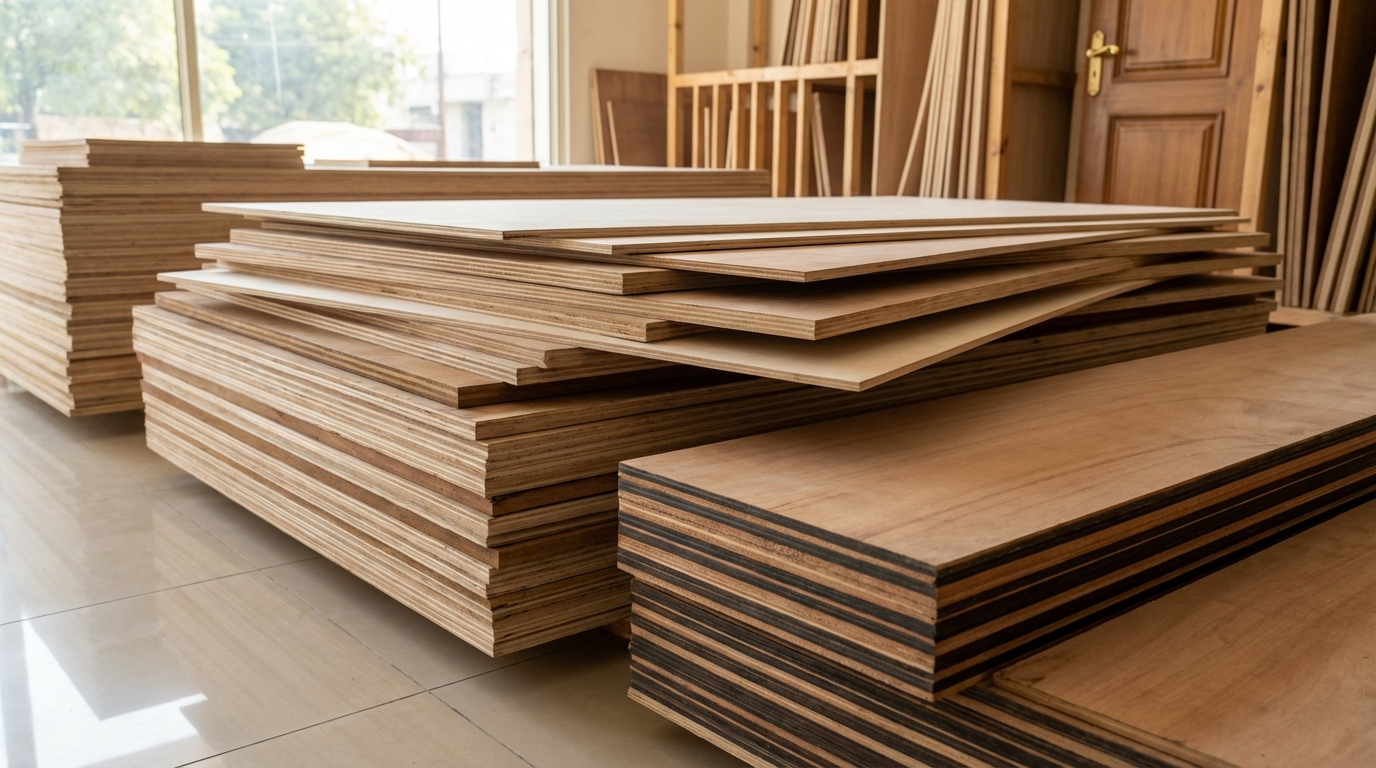
In practice, dealers handle logistics like bulk delivery, cutting services, and basic quality sorting. They differentiate by offering calibrated boards (sanded to exact thickness for CNC routing) versus raw ones. For a typical 8x4 ft sheet, grades range from MR (moisture resistant, interiors only) to BWP (marine, fully waterproofed with phenolic resins). Dealers also guide on veneers—thin teak faces for polishing or thick ones for laminates. Understanding this helps you negotiate better, especially when carpenters push cheaper mixed-core alternatives that fail in screw-heavy TV units.
Dealers' role extends to post-sale support, like replacement for transit damage, but only authorized ones honor this reliably. In India, where plywood travels long distances from hubs like Bhayandar or Yamunanagar, dealers with covered godowns prevent pre-warping. Always clarify if the stock is calibrated (key for flush doors) or standard, as mismatches lead to installation headaches.
India-Specific Reality Check (Moisture, Termites, Workmanship, and Dealer Practices)
India's diverse climates amplify plywood risks—monsoon humidity in Mumbai or Kerala causes MR-grade swelling if not acclimatized, while termites thrive in Uttar Pradesh soil without proper treatment. Coastal dealers often stock more BWP variants, but inland ones prioritize cost-saving MR, leading to mismatches for migrant workers' projects. Common workmanship issues include poor edge sealing by rushed carpenters, causing core exposure and delamination within a year.
Dealer practices vary: metro yards use forklifts for safe stacking, reducing dents, but smaller towns rely on manual handling, risking edge chips. Termite threats demand PF/creosote-treated cores—verify via dealer docs. Storage norms include elevated racks in ventilated sheds; exposed stacks absorb 20-30% extra moisture, warping calibrated sheets. Contractors often buy in bulk during dry seasons, but homeowners face inflated rates in rains. Ventilation matters—poorly aired sites mimic bathroom humidity, swelling even BWR plywood. Always insist on site acclimatization: stack sheets horizontally for 48-72 hours before cutting.
How to Find Sainik 710 Dealers Near You in 5 Practical Steps
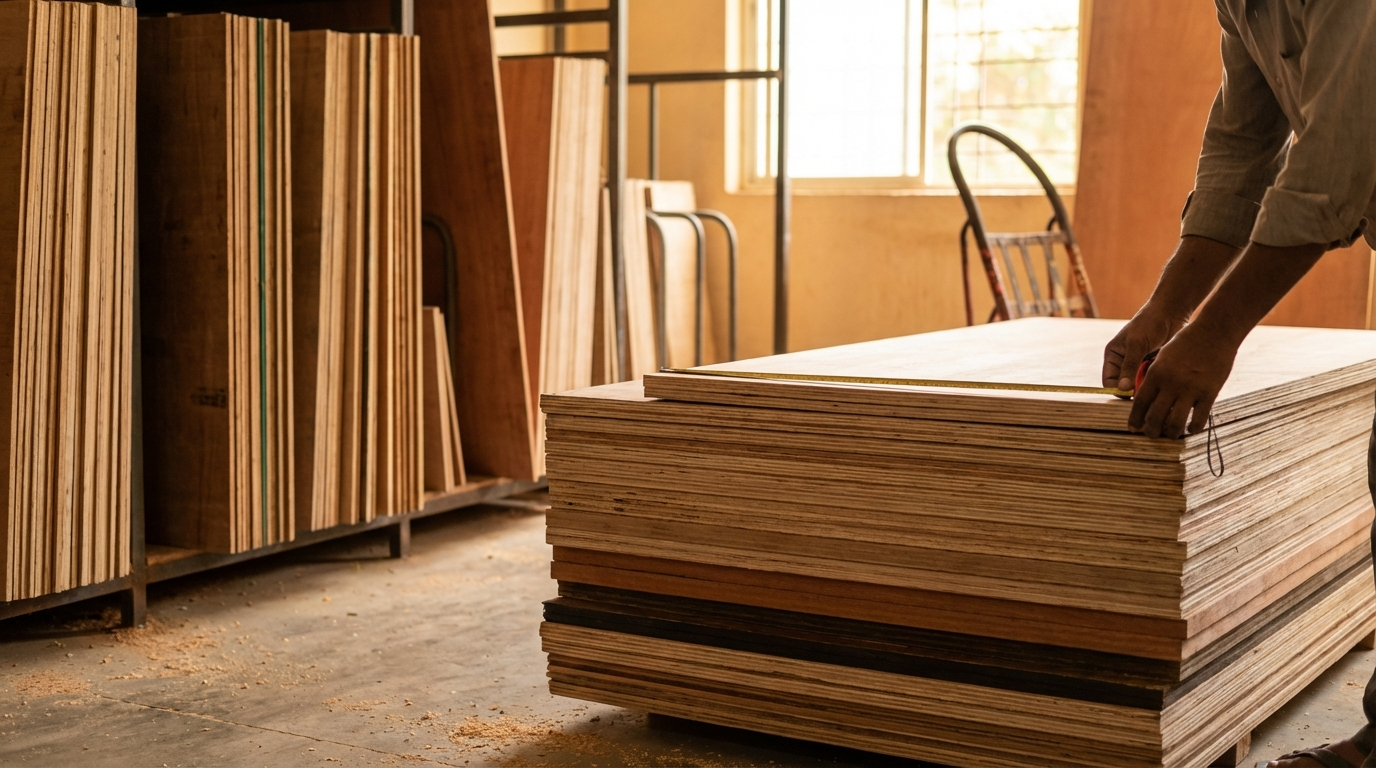
Finding reliable dealers starts locally, bypassing unreliable directories. Step 1: Consult your carpenter or modular kitchen fabricator—they source daily and know verified yards within 20-50km. Step 2: Visit wholesale plywood markets (common in industrial areas of Delhi's Mayapuri, Mumbai's Vashi, or Chennai's Kodungaiyur)—spot Sainik stacks by organized labeling. Step 3: Check hardware megastores or building material chains; they list suppliers verbally. Step 4: Network via architect/contractor groups in your city—WhatsApp forwards often share trusted contacts. Step 5: Call regional plywood associations for leads, confirming stock via phone.
Tailor by city: In metros, expect 10-20 dealers; tier-2 like Jaipur or Coimbatore have 5-8 clustered. Homeowners save time via carpenter referrals (90% hit rate), while contractors scout markets for bulk discounts. Avoid random Google maps pins—many are resellers without authorization. For OEMs fitting wardrobes, prioritize dealers with CNC-cut services. This method uncovers hidden gems with old stock clearances, but always verify next.
Verification Checklist for Authorized Sainik 710 Dealers
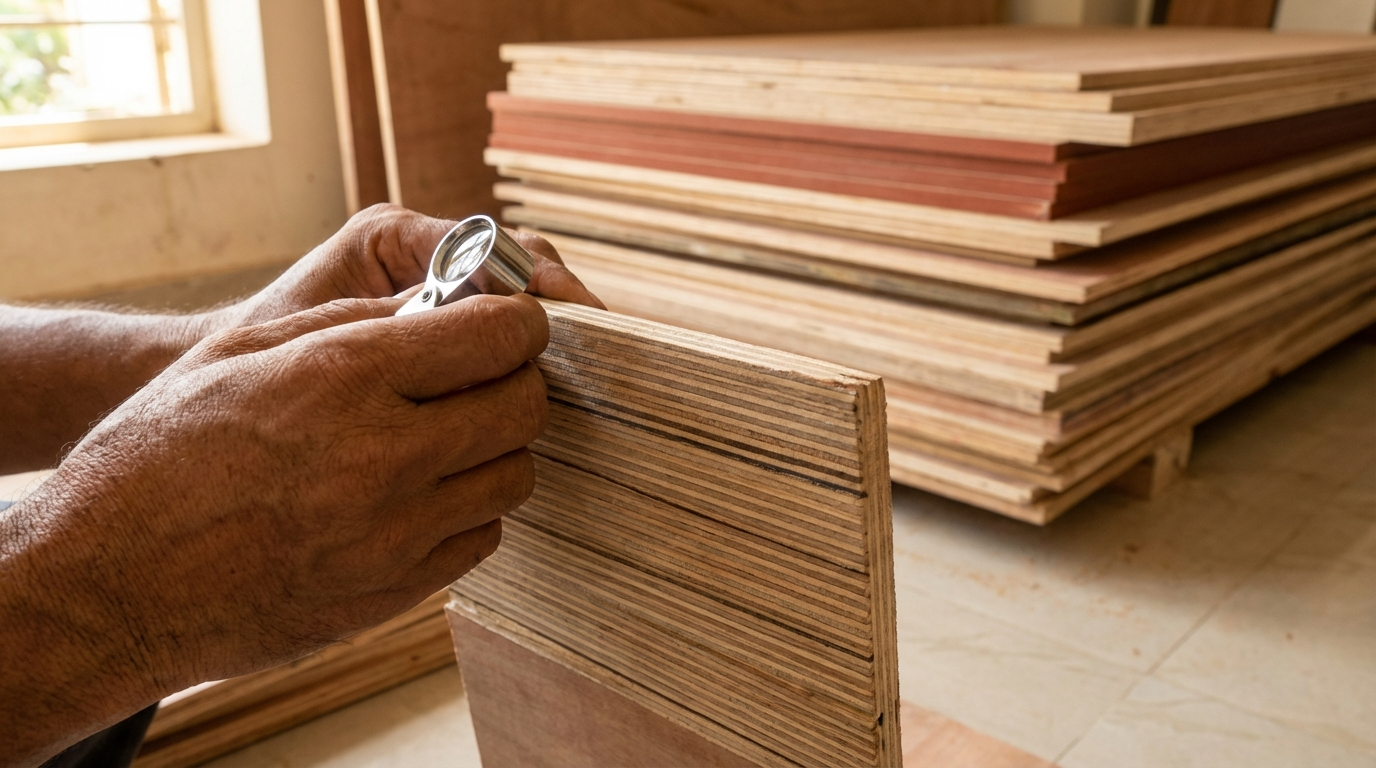
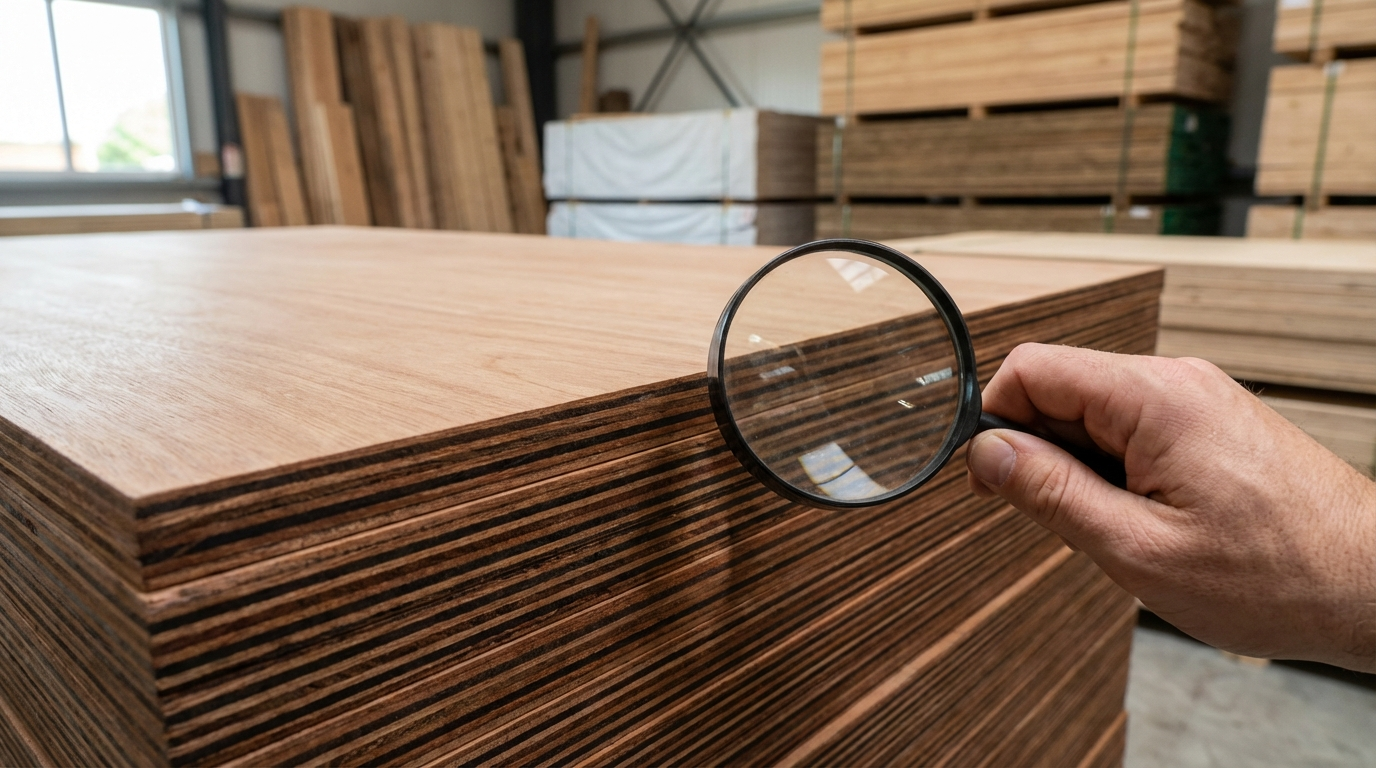
Authorization isn't verbal—demand proof. Checklist item 1: Authorization certificate with dealer's name, valid dates, and holograms (check for expiry). Item 2: ISI mark (IS:303 for MR, IS:710 for BWP) stamped on edges with batch codes matching dealer invoice. Item 3: Godown tour—genuine dealers have branded stacks, not mixed piles. Item 4: Invoice format with GST, dealer code, and grade details. Item 5: Sample test—knock for solid core sound, no hollow voids.
Red flags: No batch traceability, verbal "brand rep assured," or prices 20% below market. For carpenters, verify minimum order perks like free delivery. Architects demand test certificates for phenol content. Coastal buyers check marine-grade exclusivity. Cross-verify by calling the manufacturer's regional office (details from certificate). This weeds out 70% fakes in high-demand seasons.
Price Range and Cost Drivers for Sainik 710 Sheets
Typical ranges for 8x4 ft Sainik 710 sheets: MR grade 16-18mm at 2,200-3,000 rupees, BWR 2,800-4,000, BWP marine 4,500-6,500, varying by city (metros 15-20% higher). Thickness drives 40% of cost—12mm for shelves cheaper than 19mm structural. Core type: hardwood pure-core adds 25% over mixed poplar/gum. Calibration (sanded) premiums 10-15%. Glue/resin: PF for BWP justifies hikes.
Other drivers: Face veneer quality (0.6mm teak vs synthetic), logistics (inland vs coastal), and batch (prime vs clearance). For a 10x6 ft wardrobe, budget 25-35 sheets: 60,000-1,20,000 total, plus 10% cutting. Negotiate bulk: Contractors get 5-10% off 50+ sheets. City variation: Kerala premiums for marine due to humidity. Confirm locally—rates fluctuate 10-15% quarterly.
Quality Checks You Can Do Without Lab Tests
Visuals first: Inspect edges for uniform glue lines, no gaps/voids (shine torch inside). Core density—hardwood feels heavy, resists thumb pressure; mixed cores dent easily. Moisture test: Tape plastic over a corner for 24 hours—if swells, avoid. Screw holding: Drive 2-inch screw into edge, twist—should grip without spinning. Knock test: Solid thud, not dull echo. Veneer adhesion: Scratch lightly—no peeling.
Questions for dealers: "Show last batch ISI reports?" "Core wood origin?" "Acclimatization process?" Warning signs: Faded marks, oily surfaces (adulterated glue), warped storage. For CNC users, measure thickness variance (<0.5mm ideal). Homeowners test one sheet first. These field checks catch 80% defects.
Common Buyer Mistakes and How to Avoid Them
Mistake 1: Trusting verbal authorization—always demand certificates. Avoid by insisting on docs before loading. Mistake 2: Buying exposed stock—leads to warping. Choose covered godowns. Mistake 3: Ignoring thickness calibration for laminates—causes bubbles. Measure with caliper. Mistake 4: Skipping screw tests for wardrobe projects—failures mid-install. Test multiple spots. Mistake 5: Overlooking monsoon storage—swells on site. Acclimatize 3 days. Mistake 6: Falling for "same grade" fakes—cheaper delaminate. Verify ISI batch. Mistake 7: Bulk buying without price comparison—overpay 20%. Get 3 quotes. Mistake 8: Poor edge sealing post-cut—termite entry. Seal within hours. Mistake 9: Coastal use of MR grade—disasters in humidity. Opt BWP.
Decision Framework: Dealer and Product Selection Table
| Project Type | Recommended Grade/Thickness | Dealer Priority | Key Checks | Budget Driver |
|---|---|---|---|---|
| Modular Kitchen (wet zones) | BWP 18mm | Authorized coastal yards | ISI:710, core density | Resin + veneer (high) |
| Wardrobe (dry interiors) | BWR 16-18mm calibrated | Wholesale markets | Screw hold, calibration | Core type (medium) |
| TV Unit/Shelves | MR 12mm | Local hardware | Veneer adhesion, voids | Thickness (low) |
| Partitions/Flush Doors | BWR 19mm | Carpenter networks | Edge straightness, weight | Calibration (medium-high) |
| Coastal Bathrooms | BWP 19mm marine | Specialized marine dealers | Boil test sample, PF glue | Marine premium (high) |
Use this table to match your needs—scan project, pick row, scout dealers accordingly. Adjust for budget: downgrade core if dry use.
Workmanship and Installation Tips for Dealer-Sourced Plywood
Cutting: Use CNC or table saw for calibrated sheets—manual hacksaws chip veneers. Edge sealing: Apply 2-3 coats polyurethane within 30 mins post-cut, especially monsoon sites. Fastening: Pre-drill for screws (4-5 per hinge), space 150mm; reinforce wardrobe bottoms with 19mm. Hinges/handles: Top-load zones need double ply gussets. Acclimatize: Stack in project room 72 hours, cover loosely. Ventilation: Gap walls 50mm during dry fit. Common fail: Over-tightening screws strips cores—torque gently. For partitions, seal butt joints with marine putty.
FAQs
How do I confirm a dealer is truly authorized for Sainik 710?
Request the physical authorization letter with your dealer's GST details and validity period, then match it against ISI batch stamps on sheets. Visit their yard to see organized, labeled stacks rather than jumbled lots, and ask for recent purchase invoices showing direct supply chains. This multi-step check filters out middlemen passing off parallel imports, common in competitive markets like Pune or Ahmedabad where demand spikes for BWP grades.
What if no authorized dealers are nearby?
Expand to 50-100km radius via carpenter referrals or wholesale hubs, opting for delivery with transit insurance. Alternatively, source equivalent BWP from other verified brands, prioritizing ISI and core quality over name. Bulk buyers can coordinate with contractors for shared loads, minimizing logistics costs in spread-out areas like Rajasthan interiors.
Can I buy Sainik 710 online or via apps?
Limited options exist through building material apps, but verify seller ratings, return policies, and pre-delivery videos of sheets. Prefer in-person for tactile checks like weight and knock tests, as transit risks warping. Homeowners in metros succeed with app bulk buys, but test one sheet first.
How much extra for calibrated Sainik 710 sheets?
Expect 10-20% premium over standard, driven by sanding precision for laminate flush fitting. Worth it for CNC wardrobes where 0.3mm variance causes gaps; negotiate if buying 20+ sheets. Inland dealers charge less as calibration hubs are nearby.
Does Sainik 710 plywood handle termites well?
Typically treated with PF preservatives in cores, effective for 5-10 years in ventilated homes. Enhance with site borate sprays, especially Uttar Pradesh soils. Check dealer for treatment certs; untreated mixed cores fail faster in humid basements.
Best thickness for kitchen cabinets from dealers?
18mm BWP for carcasses, 12mm shelves—balances strength and weight. Thicker 19mm for base units bearing sinks. Dealers cut-to-size; confirm post-cut measurements to avoid skimping common in rushed orders.
What causes delamination in dealer plywood?
Mostly poor glue or moisture ingress from exposed storage/install delays. Mitigate by sealing edges immediately and choosing BWP for kitchens. Test via water splash—if darkens excessively, reject batch.
Should I buy during monsoon from dealers?
Avoid if possible—stock absorbs humidity, swelling 5-10%. Opt dry-season purchases stored in AC rooms, or pay premium for fresh inland arrivals. Acclimatize extra week on site.
How to negotiate better rates at Sainik 710 dealers?
Quote 2-3 competitors, commit bulk (10+ sheets), pay cash for 5% off. Time visits mid-week, post-festivals. Contractors leverage repeat business for credits.
Is Sainik 710 good for coastal homes?
Yes, BWP variants excel in salty humidity like Goa or Chennai, resisting boil cycles better than MR. Pair with stainless fittings; verify marine stamps.
Dealer warranty—realistic expectations?
Transit damage covered 7-15 days typically, manufacturing defects 1 year via proofs. Document everything; authorized ones process faster than resellers.
Disclaimer: This content is provided for general informational purposes based on industry practices and publicly available information. Product specifications, standards, prices, and availability may vary by manufacturer, region, and time. Readers should independently verify details with manufacturers, dealers, or qualified professionals before making purchase or construction decisions.Want Plywood Suggestions?
Share a few details and a Sainik 710 specialist will suggest suitable brands and connect you to responsive dealers.