Plywood Dealers in Delhi: How to Verify Genuine Waterproof Plywood + Quote Checklist
Find plywood dealers in Delhi and buy with confidence. Use this verification and quote checklist to choose the right grade and avoid counterfeit sheets.
Quick Decision Summary
Verify BWP-grade plywood from Delhi dealers using IS mark checks and a 5-point quote list to ensure genuine waterproof performance without overpaying.
If you're in a hurry, head to established Delhi markets like those in West Delhi, insist on BWP (Boiling Water Proof) sheets with visible IS:710 certification, and cross-check quotes from at least three dealers for 18mm thickness at typical Rs 2,200-3,500 per sheet ranges. Test screw holding on samples, confirm calibrated edges, and prioritize hardwood core over mixed for Delhi's humid spells. This skips counterfeits mimicking waterproof claims with cheaper MR grades.
- Choose this if: Building modular kitchens, bathrooms, or monsoon-exposed partitions where delamination risks high moisture swelling.
- Avoid this if: Dry interiors like bedrooms suit cheaper BWR; skip if dealer skips core exposure demo or lacks basic lab reports.
Price Range and Cost Drivers
Plywood pricing in Delhi revolves around grade, thickness, and core quality, with BWP waterproof sheets commanding premiums due to phenolic resins and rigorous boiling tests. Typical market ranges for standard 8x4 ft sheets vary by these factors, but expect city-to-city shifts from Delhi's logistics hub status. For 18mm BWP, quotes often land between Rs 2,200-3,500 per sheet, translating to Rs 70-110 per sqft—lower for poplar cores, higher for calibrated hardwood. Thinner 12mm options drop to Rs 1,500-2,500 (Rs 50-80/sqft), while 6mm veneers hover at Rs 900-1,500 (Rs 30-50/sqft). BWR grades shave 20-30% off these, but skip MR for wet zones.
Key cost drivers include core material (hardwood like gurjan adds Rs 500-1,000 premium over mixed/poplar for better screw holding), glue type (BWP's PF resin vs urea-formaldehyde), calibration (sanded to 0.5mm tolerance costs extra), and face quality (1.0-1.5mm veneer finish). Brand premiums push 15-25% higher, while bulk buys (10+ sheets) negotiate 10-15% discounts. Delhi-specific factors: transport from Haryana mills adds Rs 100-200/sheet; monsoon stockpiling inflates by 10%. For a 10x6 ft kitchen cabinet (about 80 sq ft of 18mm ply), budget Rs 6,000-9,000 material cost alone, excluding labor.
To estimate: Multiply sq ft need by per-sqft rate, add 20% for edges/laminates. Always get written breakdowns—vague "market rate" quotes signal padding. Compare 3-5 dealers for leverage; coastal Delhi NCR areas may add 5-10% for marine-grade demands.
How to Choose in 5 Steps
Step 1: Match grade to use—BWP for kitchens/bathrooms, BWR for wardrobes. List your project's wet exposure (e.g., Delhi monsoon backsplash).
Step 2: Scout dealers in Delhi hubs; shortlist 3-5 with 5+ years, sample yards. Ask for BWP stock proof via docs.
Step 3: Inspect physically—calipers for thickness uniformity (<0.5mm variance), expose core for voids, tap for density.
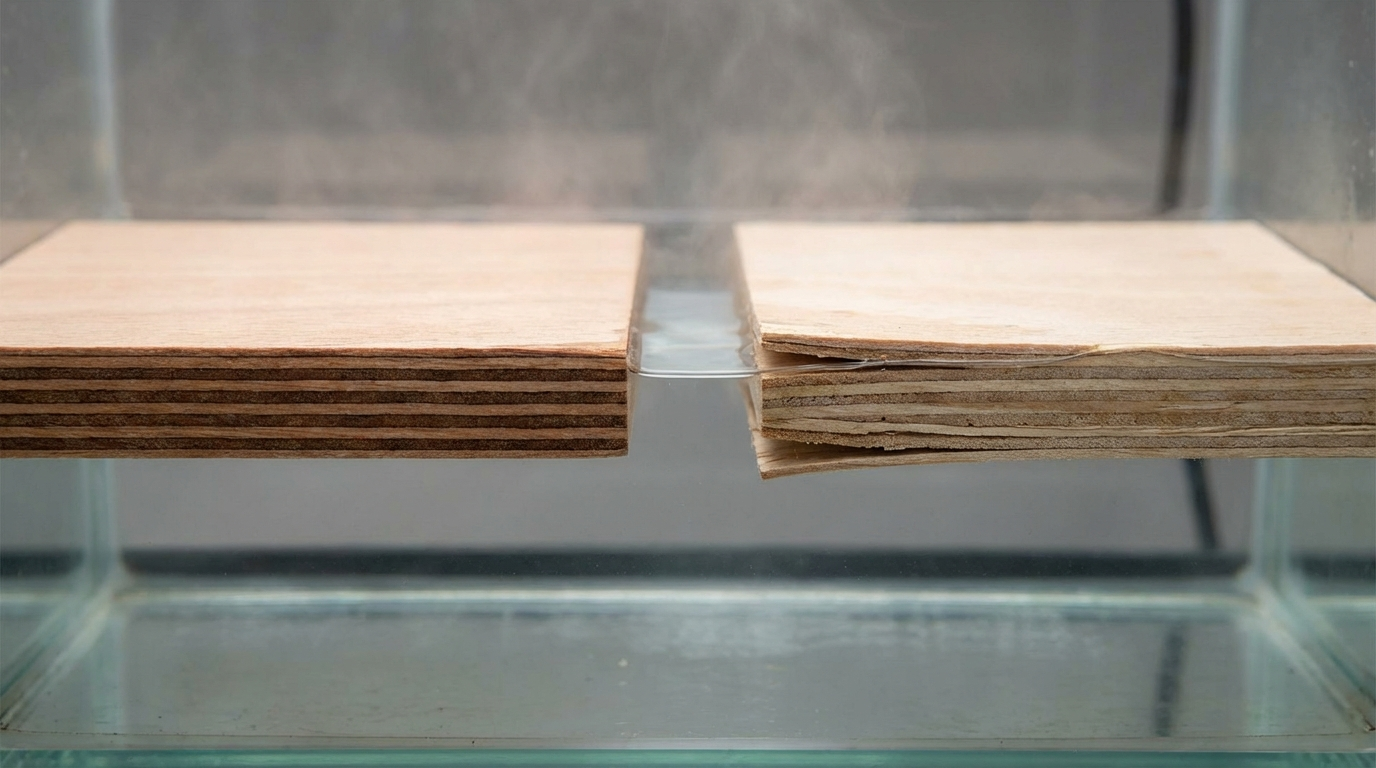
Step 4: Run quick tests: screw pull-out (holds 50kg+ on 18mm), edge sanding resistance, water droplet (no swelling in 2hrs).
Step 5: Quote comparison using checklist below; negotiate on calibration, delivery. Buy only with bill matching IS grade.
This framework cuts fakes by 80% for homeowners; contractors scale by visiting mills occasionally. Delhi carpenters often source bulk—join them for credibility.
What This Actually Means (Grade, Construction, and Use)
Waterproof plywood, specifically BWP grade, means sheets glued with phenolic resins surviving 72+ hours boiling without delamination, per Indian standards. Construction layers 7-13 veneers (odd for stability), with hardwood cores preferred for Delhi's vibration-heavy installs. Face/back veneers (1-1.5mm) take laminates; calibration sands to precise thickness for CNC routing. Use cases: modular kitchens (backsplashes, sinks), bathrooms (cabinets), coastal Delhi balconies—anywhere humidity exceeds 70% or direct splashes hit.
Unlike MR (urea glue, swells in 24hr humidity), BWP resists warping; BWR bridges for semi-wet. Thickness guide: 6-9mm shelves/TV units, 12mm doors/partitions, 18-19mm carcasses/load-bearing. Delhi installs favor 18mm for screw-dense wardrobes, as thinner risks sagging under AC units. Trade-off: BWP's density (650-750kg/cum) boosts durability but weighs 10-15% more, hiking transport. Always acclimatize 48hrs on-site to match room humidity (Delhi avg 50-80%).
India-Specific Reality Check (Moisture, Termites, and Workmanship)
Delhi's summer peaks at 90% humidity with pre-monsoon rains amplify plywood risks—unprotected stacks swell cores 5-10%, causing edge lifts post-laminate. Coastal NCR fringes face salt-laden air corroding cheap glues faster. Termites thrive in urban soil; untreated poplar cores fail in 2-3 years without barriers. Workmanship pitfalls: carpenters skip edge sealing, leading to capillary moisture ingress; CNC shops overload thin ply, cracking routs.
Storage mandate: Vertical racking under sheds, 150mm site clearance. Handling: Forklifts for bulk, no dragging. Delhi contractors often mix grades—insist BWP for wet zones. Ventilation gaps in kitchens prevent steam trapping. Field reality: 30% failures from poor acclimatization; test by leaving sample in humid bathroom overnight.
Finding Reliable Plywood Dealers in Delhi
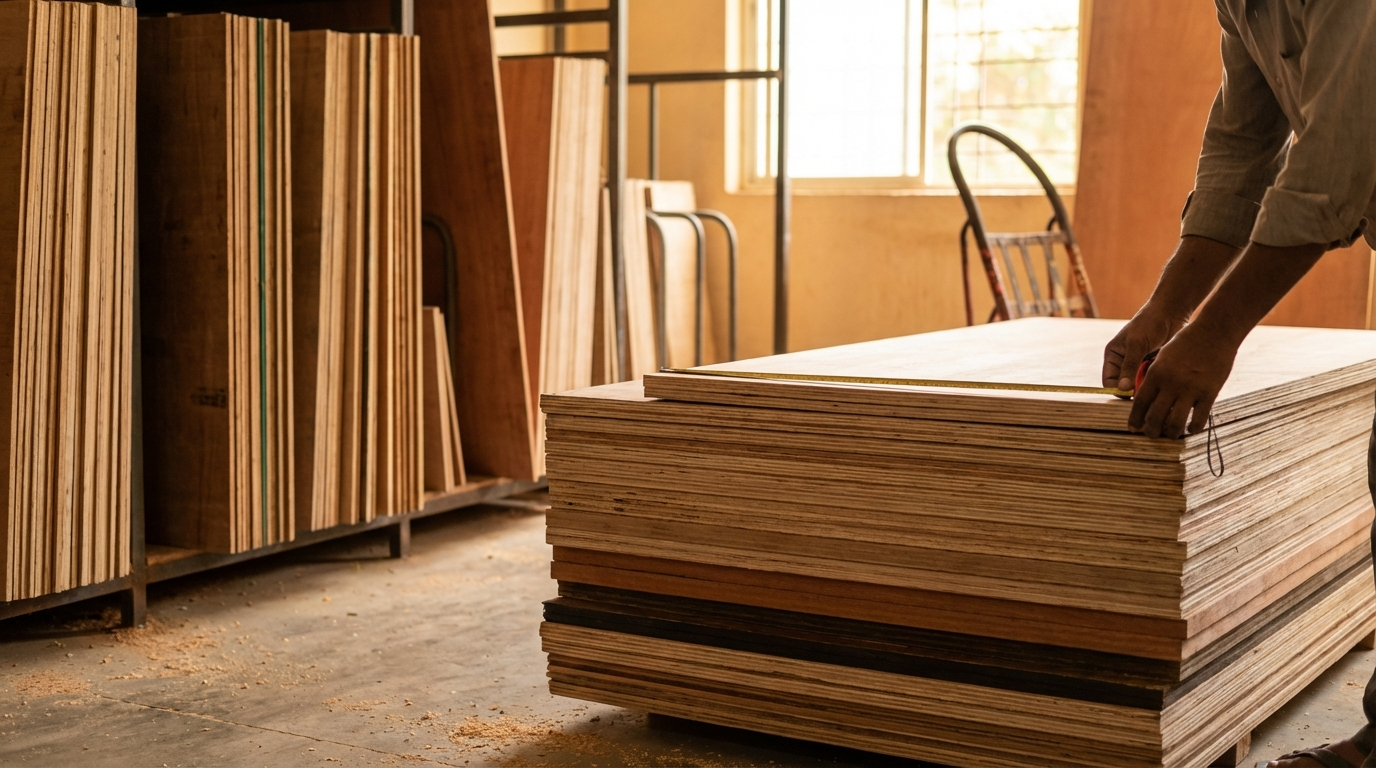
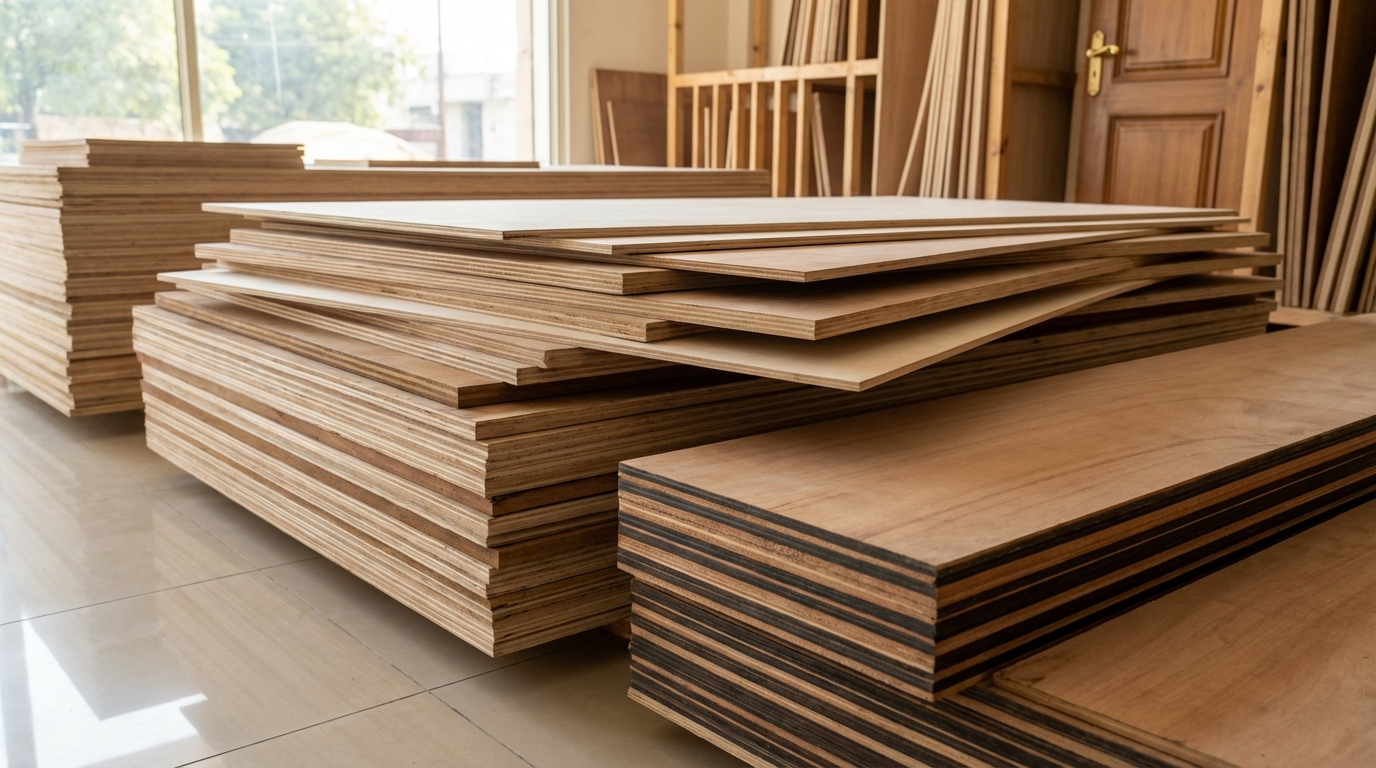
Delhi's plywood scene clusters in West Delhi markets and industrial belts; reliable dealers stock 100+ BWP sheets, offer samples, and demo tests. Look for yards with covered storage, thickness gauges visible, and bills detailing IS numbers. Veteran dealers (10+ years) know mill sources, negotiate better on rejects. Homeowners: Visit weekdays 10-4pm for less rush; contractors bulk-order Fridays.
Red flags: No core samples, verbal "waterproof" sans docs, piled outdoor sheets. Shortlist via carpenter networks—Delhi fabricators rate dealers on delivery speed (24-48hrs). Prefer those with return policies for warps. For large projects, verify mill ties via transport stickers. This weeds 50% unreliable spots, saving rework costs.
Verifying Genuine Waterproof Plywood: Field Checks Without Lab Tests
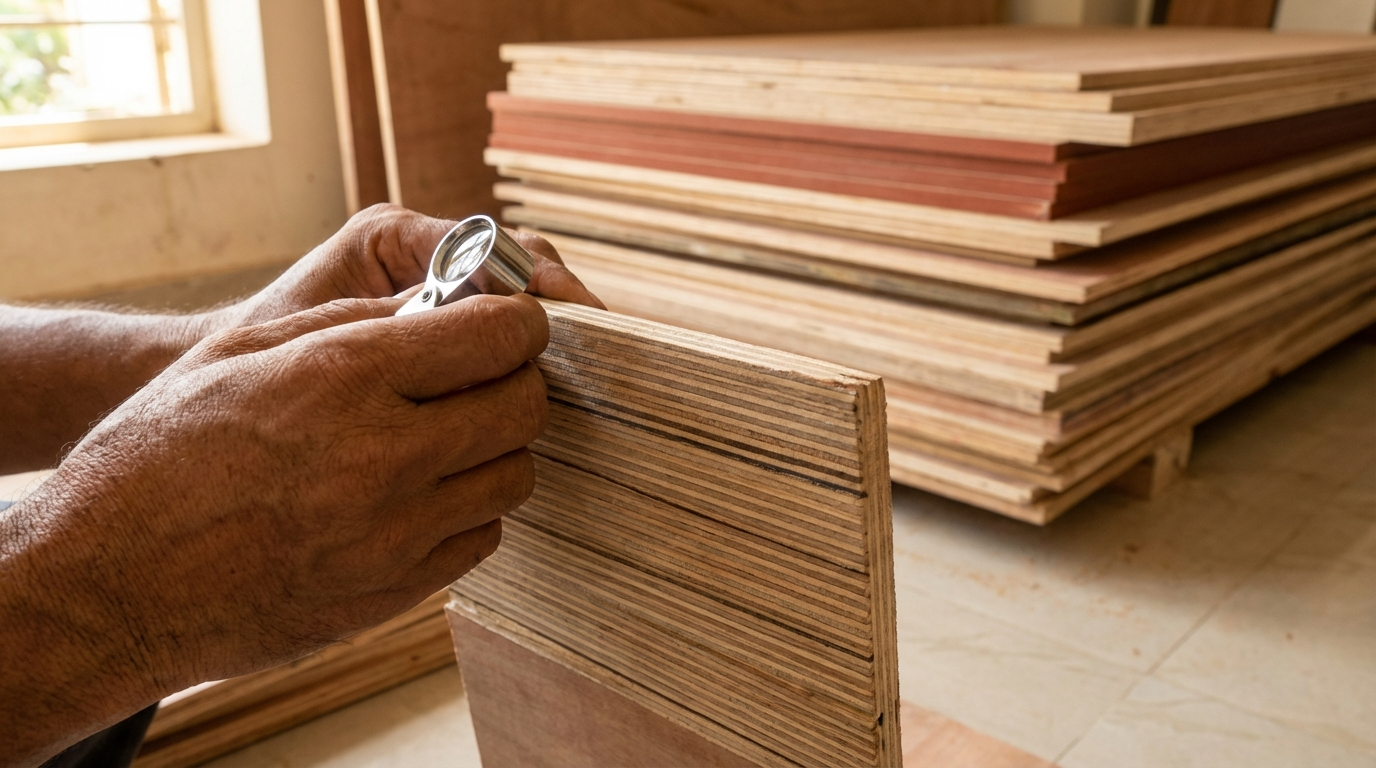
Visual scan: Uniform caramel glue lines (dark phenolic), no white urea patches; face free of patches/plugs. Core check: Saw-cut sample reveals tight rings, no voids/gaps >2mm. Thickness: Caliper every 6" (18mm sheet 17.5-18.5mm tolerance). Tap test: Solid thud, no hollows.
Questions to dealers: "Show last BIS test report?" "Boiling cycle passes?" "Core wood species?" Water test: Drip on edge 2hrs—no bubbling/swelling. Screw test: 3" wood screw holds 40-50kg pull on 18mm. Sand edges: BWP resists fuzzing better. Warning signs: Overly light weight (voids), mismatched labels, reluctance to cut samples. Delhi heat accelerates fakes—buy cooler mornings.
Quote Checklist for Plywood Dealers
Essential list: 1. Exact grade (BWP/IS:710), 2. Thickness/calibration tolerance, 3. Core type (hardwood %), 4. Sheet size/dimensions, 5. Face veneer thickness, 6. Per-sheet rate + sq ft equivalent, 7. Delivery/handling charges, 8. Payment terms (advance %), 9. Warranty claim process, 10. Sample provision. Get typed quotes; compare line-by-line.
For Delhi: Add GST breakdown, transport from mill. Bulk: MOQ discounts? This checklist exposes padded rates, ensures specs match needs.
Common Buyer Mistakes and How to Avoid Them
1. Trusting "waterproof" labels sans IS mark: Always demand certification copy. 2. Ignoring core voids: Expose before buying. 3. Skipping acclimatization: 48hrs mandatory. 4. Single-dealer quotes: Get 3+. 5. MR for kitchens: Upgrade to BWP. 6. No edge sealing spec: Mandate silicone post-cut. 7. Verbal warranties: Written only. 8. Bulk without samples: Test first. 9. Overlooking thickness variance: Measure multiple spots. 10. Monsoon rushed buys: Delay if stacks wet.
Decision Framework: Plywood Grades Table
| Use Case | Recommended Grade | Thickness | Delhi Risk Factor | Cost Multiplier |
|---|---|---|---|---|
| Modular Kitchen Sink | BWP | 18mm | High (splashes) | 1.5x BWR |
| Wardrobe Carcass | BWR | 18mm | Medium (humidity) | 1.2x MR |
| TV Unit Shelves | MR | 12mm | Low (dry) | Base |
| Bathroom Cabinet | BWP | 12mm | High (steam) | 1.5x |
| Partition Walls | BWR | 9mm | Medium | 1.1x |
Use this for quick picks; adjust for load.
Workmanship and Installation Tips
Cutting: CNC blade for clean edges; seal within 30min with silicone/edge bands to block moisture. Fastening: 45mm screws at 150mm centers; pre-drill to avoid splits. Hinges: Reinforce with 18mm blocks in zones; test 50kg door swing. Storage: Flat, covered, 1-week max. Acclimatize: Match site RH. Delhi tip: UV-protect laminates from sun-warping.
FAQs
What's the difference between BWP and BWR plywood for Delhi homes?
BWP endures full boiling without layer separation, ideal for direct wet exposure like kitchen sinks in Delhi's humid monsoons, while BWR handles hot water but fails prolonged submersion. Homeowners pick BWP for longevity in steamy bathrooms, trading 20-30% higher cost for no-swelling assurance; BWR suffices for wardrobe interiors with ventilation.
How do I spot fake waterproof plywood at Delhi dealers?
Fakes use MR glue with printed labels; check dark phenolic lines on cut edges, demand boiling test docs, and perform screw/water tests. Reliable dealers cut samples freely—refusals signal issues. In Delhi markets, compare weights: genuine 18mm BWP feels denser at 25-28kg/sheet.
What thickness for a standard Delhi modular kitchen?
18mm for carcasses/sinks resists sagging under utensils in humid conditions; 12mm for shutters if laminated. Thicker avoids screw pull-outs common in vibration-prone installs. Factor Delhi's dust: Calibrated edges prevent polish peels.
Typical delivery time from Delhi plywood dealers?
24-72 hours for stocked BWP; custom cuts add 2-3 days. Bulk NCR orders faster via trucks. Insist covered transport to dodge rain damage—common pitfall inflating waste 5-10%.
Do I need termite treatment with waterproof plywood?
Yes, BWP cores like poplar remain vulnerable; apply oil-based barriers pre-install. Delhi urban termites attack untreated in 1-2 years; combine with concrete plinths for cabinets.
How to negotiate better quotes from dealers?
Quote 3 vendors with checklist; highlight competitor rates politely. Bulk (20+ sheets) yields 10-15% off; off-peak buys save 5%. Specify no hidden cuts for leverage.
Can I use BWP for flooring in Delhi?
Not directly—lacks abrasion resistance; overlay with tiles. For subfloor, yes, if sealed, handling foot traffic swells less than MR in rainy seasons.
What's the shelf life of stored BWP sheets?
6-12 months under cover; humidity cycles degrade glue. Delhi stacks rotate stock quarterly; inspect for edge checks before use.
Edge banding vs sealing for waterproofing?
Both: Silicone seal first, then PVC bands. Exposed edges delaminate fastest in kitchens; double-layer for monsoon zones.
Hardwood vs poplar core—which for Delhi wardrobes?
Hardwood for superior screw holding in heavy doors; poplar cheaper but gaps under load. Balance: 70% projects use mixed hardwood for cost-durability.
Disclaimer: This content is provided for general informational purposes based on industry practices and publicly available information. Product specifications, standards, prices, and availability may vary by manufacturer, region, and time. Readers should independently verify details with manufacturers, dealers, or qualified professionals before making purchase or construction decisions.Want Plywood Suggestions?
Share a few details and a Sainik 710 specialist will suggest suitable brands and connect you to responsive dealers.